

Comparative lead — practical stakes for clinics and wards
Hospitals choosing between portable CPAP devices and full clinical ventilators face trade-offs in cost, usability, and clinical scope. A compact medical ventilator covers invasive support and high FiO2 needs; Byond’s auto‑CPAP suits step‑down care or sleep‑disordered breathing management while easing staff workload. For facilities that must bridge emergency surge capacity—think New York City ICUs during March–April 2020—these distinctions shaped procurement decisions and bedside workflows.

Where Byond fits: device class and clinical roles
Auto‑CPAP devices deliver continuous positive airway pressure with automatic titration. They’re primarily for CPAP therapy and mild to moderate noninvasive ventilation (NIV) use cases such as chronic respiratory failure, Post‑op oxygenation, and sleep clinic throughput. Compared with full ventilators, they trade granular pressure‑control modes for simplicity and portability. That trade is deliberate: fewer modes, faster training, lower footprint.
Comparative breakdown — features that matter
Evaluate devices on these concrete axes:
– Clinical scope: ventilator handles invasive modes; auto‑CPAP handles CPAP and limited pressure support.
– Monitoring: look for integrated flow sensor and leak compensation rather than basic timers.
– Alarm management: escalation pathways matter—audio + visual alarms and networked alerts reduce missed events.
– Serviceability: modular parts, clear maintenance intervals, and local spare availability cut downtime.
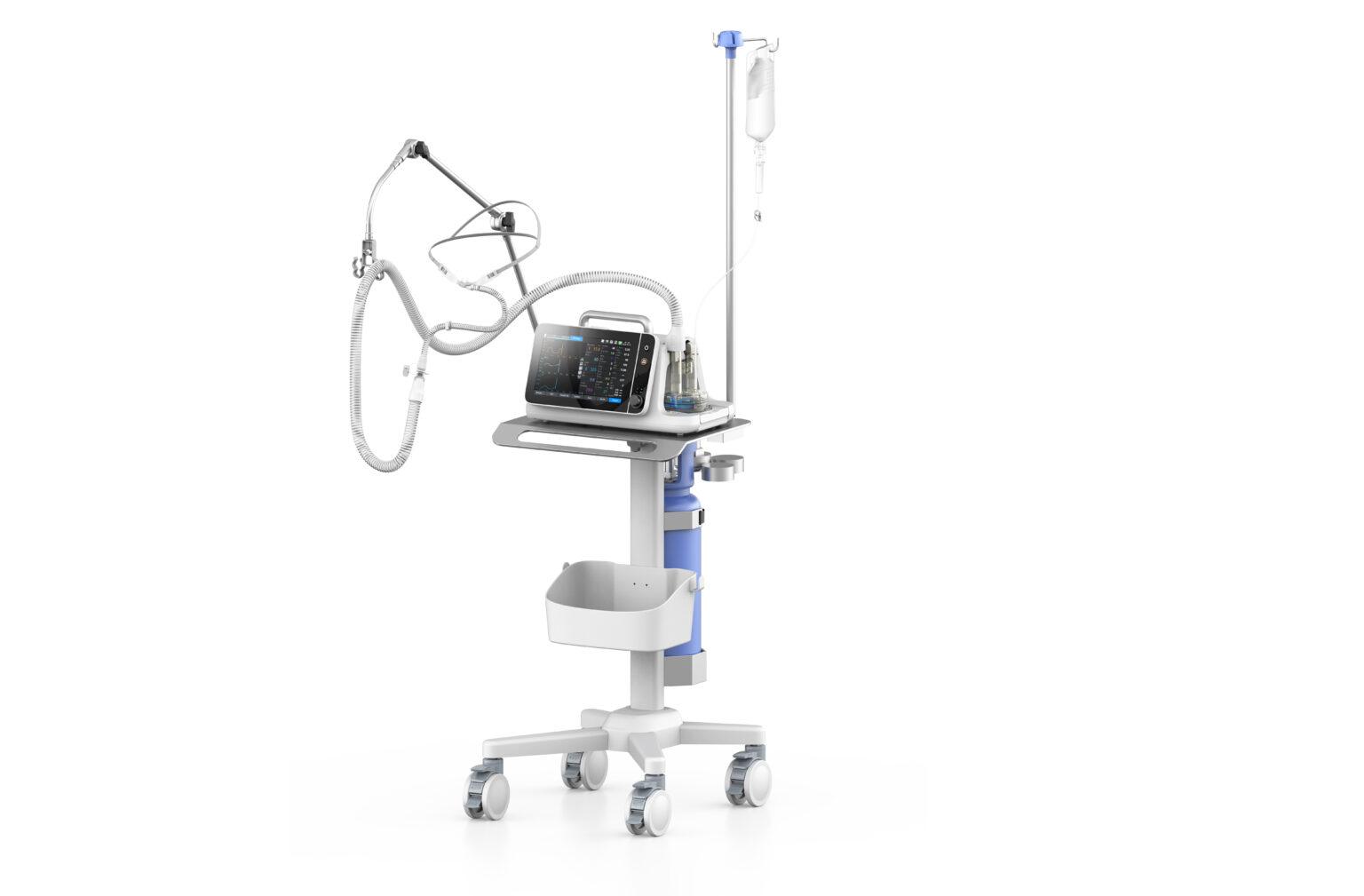
In practice, a unit that nails leak compensation and delivers consistent pressure support will outperform cheaper rivals in patient comfort and adherence. End of story—clinical staff notice the difference.
Operational production teardown — durability, calibrations, and supply chain
An operational production teardown inspects casing, blower assembly, electronics, and calibration routines. We check blower RPM tolerances, BME (biomedical equipment) certification traces, and the quality of mask interfaces. During a teardown you should verify that consumables and spare parts have lead times under 30 days. Real manufacturers document calibration curves for pressure sensors and the exact intervals for software‑level recalibration. Also note: verify the presence of validated leak compensation algorithms and redundant alarm paths. For traceability, mention of {main_keyword} and {variation_keyword} in build records is expected when devices are manufactured to clinical procurement standards.
Common mistakes and on‑the‑floor realities
Facilities often buy on price alone and undertrain staff. The device arrives, clinicians juggle settings, and the result is improper mask fit and alarm fatigue. Invest in a short competency program—three supervised sessions is a reasonable minimum—and log outcomes. Maintenance is another gap: neglected filters or delayed calibration degrade pressure accuracy and hygiene. —A small checklist at deployment prevents frequent service calls.
Alternatives and integration notes
Compare Byond’s auto‑CPAP to bi‑level devices and full ventilators. Bi‑level adds variable inspiratory pressure for clearer pressure support; full ventilators add invasive ventilation and advanced modes. Integration: confirm network protocols (HL7 or secure API) for electronic records, and verify how the device records usage metrics for clinical audits. If your use case includes intermediate care or frequent transitions between NIV and invasive support, a hybrid procurement strategy will reduce patient transfers.
Summary and three golden evaluation metrics
Summary: choose devices by clinical role, monitoring capability, and serviceability. Look past sticker price to operational cost and staff time. The right pick minimizes alarms, stabilizes pressure delivery, and shortens training time.
Three critical evaluation metrics (golden rules):
1. Clinical fit: match device capability to the intended patient population—CPAP for adherence and mild respiratory failure; full ventilator for invasive or high FiO2 needs.
2. Measurement fidelity: verify pressure accuracy (±1 cm H2O), validated leak compensation, and sampling rate of flow sensors—these determine therapeutic reliability.
3. Lifecycle support: confirm spare‑part lead times (<30 days), documented calibration schedules, and an accessible training package for frontline staff.
The operational value becomes clear when devices reduce transfers, simplify nursing tasks, and sustain therapy delivery over weeks. Byond. —steady, practical, tested.