
The problem that always shows up first
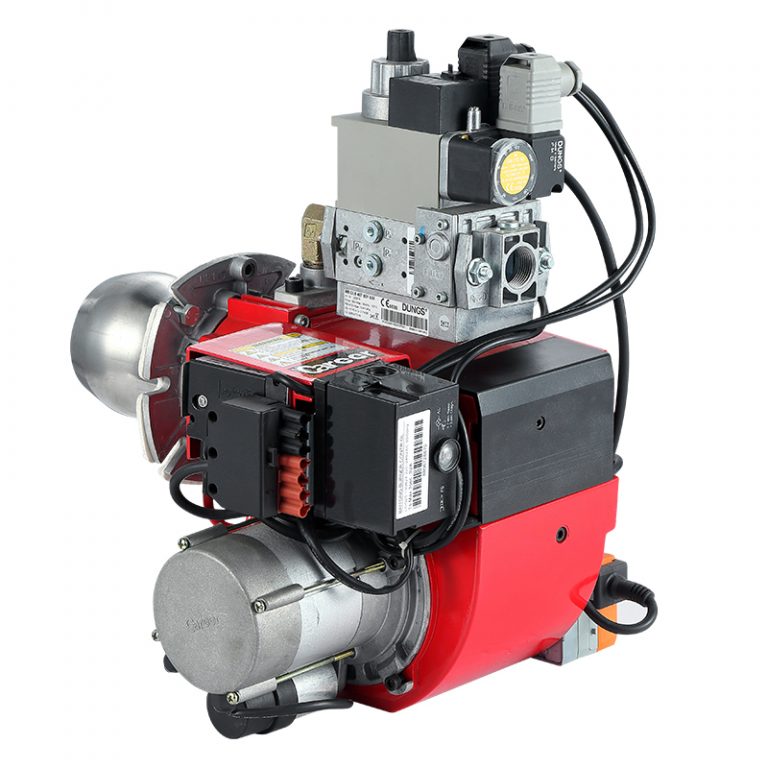
When your line stalls because a heat process can’t keep up, you don’t need another meeting—you need a fix that actually matches demand. Too often factories try to brute-force capacity and hit uneven temperatures, short cycling, or exploding fuel bills. A properly matched gas fired burner can change that equation fast: more stable combustion, better turndown, and cleaner output. I’m talking practical swaps and control tweaks that stop downtime, not theory.
Why burners are usually the weak link
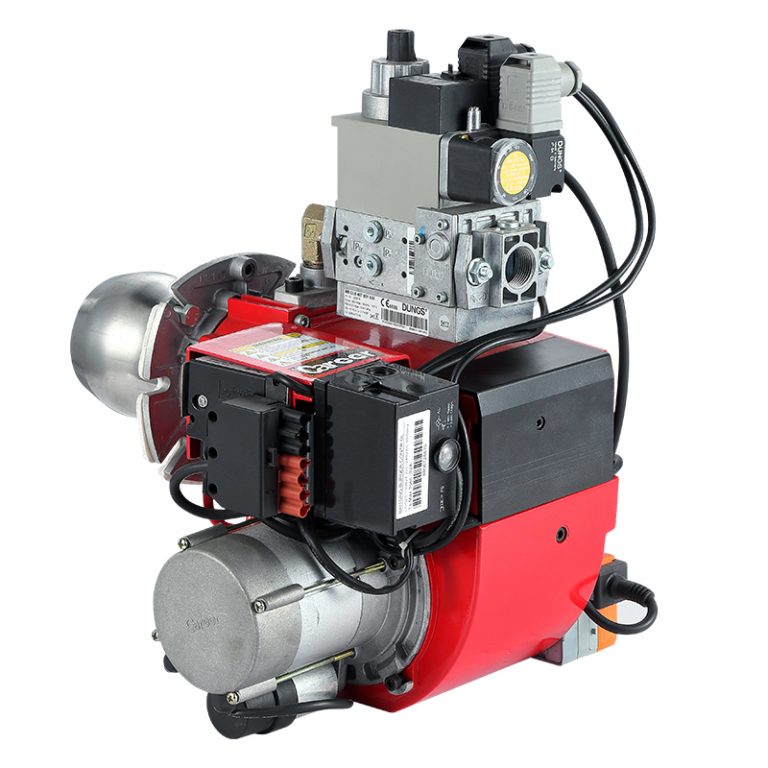
Heat isn’t just heat. Problems trace back to a few technical faults: wrong burner capacity, poor turndown ratio, mismatched controls, and neglected combustion tuning. Those cause thermal lag, repeated warm-up cycles, and higher emissions. Fix one of these and you cut a lot of preventable waste. Fix all of them and the line runs predictably—throughput climbs and rework drops.
Real-world anchor: what I saw at a Chicago district plant
I spent a week commissioning boilers at a Chicago district heating site where seasonal peaks kept tripping safety cutouts. The team had oversized fireboxes but underspecified controls, so burners kept cycling. Replacing the old units with a correctly sized gas burner boiler and adding O2 trim stopped the cycling and dropped fuel use noticeably. That hands-on change—simple, decisive—shows the difference between guessing and engineering a solution.
Quick alternatives and real trade-offs
Electric boilers are clean at point of use but often cost-prohibitive at scale. Biomass can reduce fuel cost, yet adds fuel handling complexity and ash management. Heat pumps work where temperatures are moderate, not for high-temp process heat. For most heavy industrial heat tasks, a modern gas burner is the pragmatic middle ground: familiar fuel logistics, controllable combustion, and rapid response. Choose based on peak load, fuel availability, and required discharge temperatures.

Common mistakes that sabotage scaling
People assume bigger is better, or they buy cheapest controls. That backfires. Typical errors: oversizing to “play safe,” ignoring turndown and load profile, skipping combustion tuning, and using one-off vendor fixes instead of repeatable specs. Also, treating maintenance as reactive costs you uptime. Those mistakes look small until they cost a week of lost production.
Practical steps to scale heat reliably
Start by mapping your hourly heat demand for a representative week. Pick burners with the right turndown ratio and staged firing to match that curve. Add modern controls—PID loops, O2 trim, and remote monitoring—and schedule predictive maintenance. Validate with combustion testing after install and re-check when fuel specs change. Keep spares for critical valves and sensors and tune annually. These moves cut surprises and make capacity growth predictable.
Final thought
If your plant needs to scale, don’t treat burners like an afterthought. Fixing combustion control and matching capacity to the real load delivers steady heat, fewer stoppages, and measurable savings—fast. For straightforward, engineered burner options that actually solve these problems, working with suppliers who understand on-site realities is what matters, and that kind of practical fit is what teams find with Career Burners.