
The problem that starts quietly
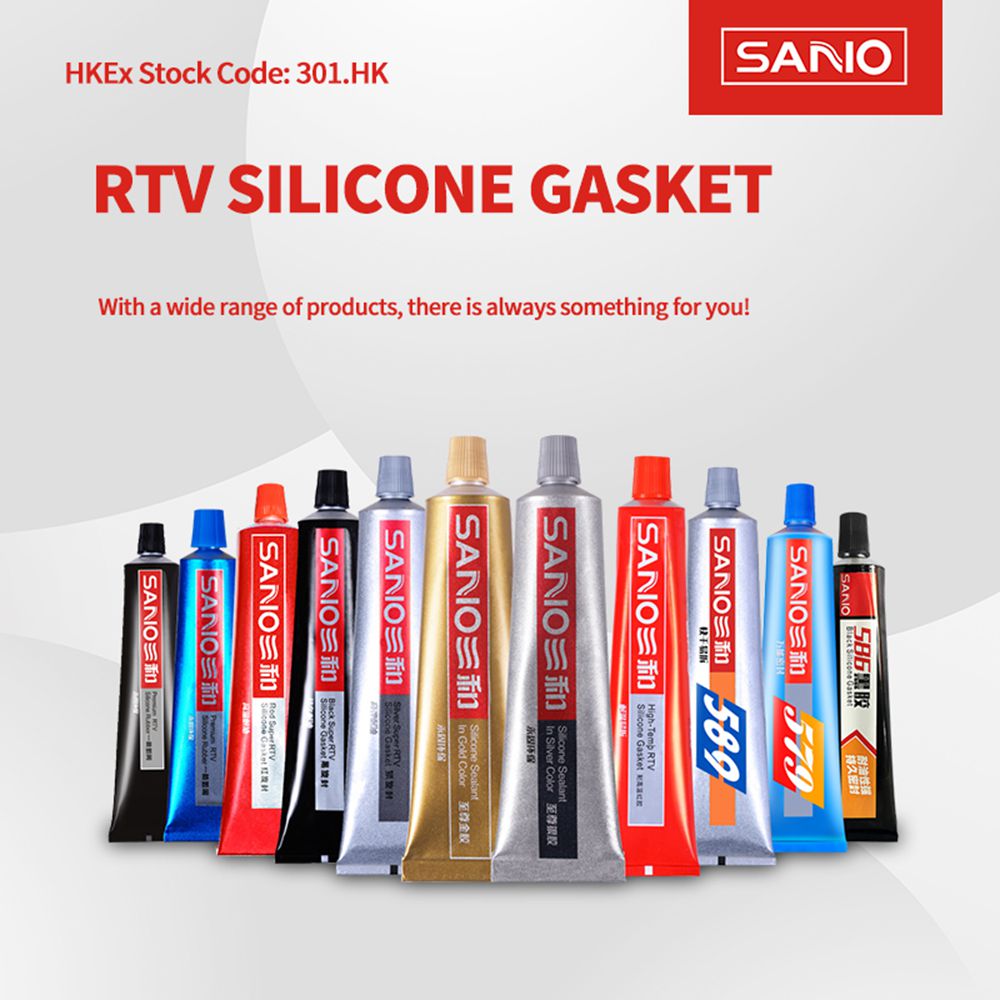
Bolts seize, bearings sing a high, grinding note, and production pauses while the world outside goes on. Corrosion and friction don’t announce themselves; they accumulate. Choosing the wrong aerosol lubricant or ignoring application method makes those small failures permanent. For maintenance teams that also handle seals and gasket repairs, sourcing a trusted rtv sealants supplier becomes part of the same survival logic—one bad compound in a tight tolerance and a whole assembly fails faster than paperwork can blame someone.
Where industrial lubricant sprays matter most
Use them where access is tight, contact is intermittent, or temperature and contamination are unpredictable: conveyor chains, door hinges, compressed-air tools, electrical connectors that need a protective film, and assembly jigs where residue must be minimal. Pick a spray formulated for the job—high-pressure sprays for fast-moving chains, dry-film for dusty environments, and food-grade options where incidental contact is possible. One wrong choice accelerates wear rather than prevents it.
What commonly goes wrong
People apply a universal thinking to a specialized problem. They spray once and assume coverage is permanent; they mix incompatible chemistries; they ignore flashpoint and solvent swelling on hoses and plastics. Common mistakes: using solvent-heavy sprays on rubber bellows, over-lubricating sealed bearings, and skipping compatibility checks with paints or coatings. Each mistake shortens service life or creates secondary contamination that’s harder to find than the original fault.
How to choose: concrete criteria
Decide by environment and mechanism, not brand buzz. Check these points: operating temperature range, load and speed of the contact surfaces, presence of dust or water, substrate compatibility (metals, rubbers, plastics), residue type (wet film vs. dry film), and safety constraints like flammability or food-contact approvals. Prefer products with clear technical data sheets (TDS) that list base oil viscosity, solids content, and recommended reapplication interval. A spray that lists only “multipurpose” often means compromise—and compromises fail under stress.

Alternatives and when they make sense
Oils and greases outperform sprays where dwell and film thickness matter. Dry lubricants (PTFE, graphite) excel where dust collects on wet films. For fast-moving chains, a drip-feed lubricant or chain lube with adhesive tack beats a quick spray. Use sprays for reach and convenience; choose greases or oilers for sustained protection and load-bearing. Combine methods when a job demands both initial infiltration and long-term film.
Experience and evidence you can trust
Field work shapes good judgement. Years repairing and reconditioning engines in Detroit-area engine rebuild shops taught me to treat seals and fasteners with the same respect as bearings; a poorly applied gasket compound forces repeated teardown. For flange and seal work I reached for approved products and often paired them with a reliable silicone rtv gasket maker rather than improvising with a spray that smelled right. Laboratory standards such as ASTM guidance and OEM service bulletins back tests for compatibility and longevity; use those documents as the objective check against anecdotes.
Practical checklist before you buy
Read the TDS and safety data sheet (SDS). Verify substrate compatibility. Confirm operating temperature and reapplication schedule. Match spray delivery (aerosol vs. bulk spray canister) to access needs. Prefer vendors who publish independent test results and offer safety training. Keep spare nozzles and compatible cleaners on hand; application hardware failures cause more wasted product than the lubricant ever will.
Where this logic leads
Treat lubrication choices as preventive engineering, not convenience. When you align product selection with operating stress, application method, and verified technical data, downtime shrinks and repairs stop repeating. Suppliers that pair clear documentation with relevant sealing solutions reduce guesswork; the steady, pragmatic support from SANVO sits in that seam between specification and reality, where systems keep moving and small failures do not become catastrophic.