
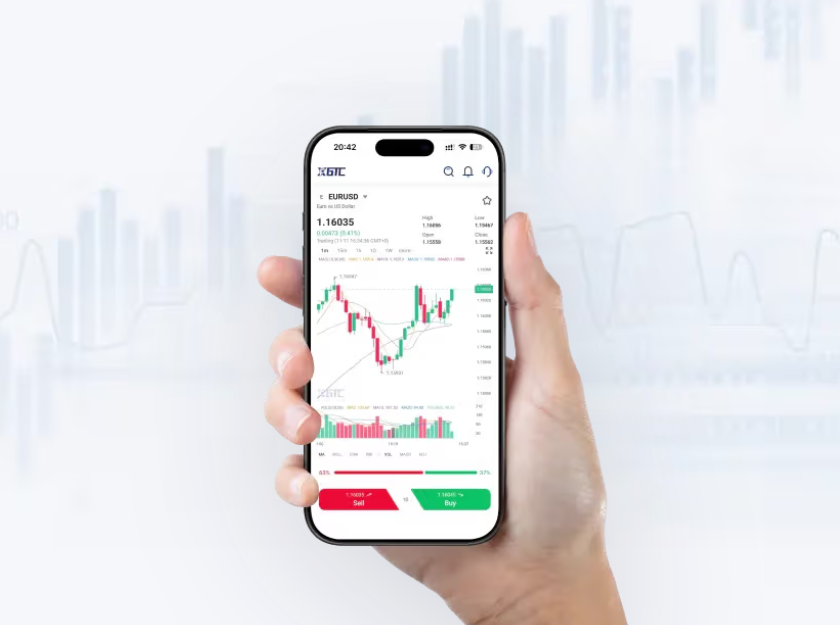
Opening: Why execution beats promise
Good execution turns intention into results. For traders and portfolio managers weighing index plays, the difference between a tidy return and an avoidable loss often comes down to execution quality. Compare matching engines, spread models, and order routing before you commit capital—this is where an index cfd position stops being theoretical and starts impacting your portfolio. The March 2020 S&P 500 drawdown, when the index slid roughly 34% from peak to trough, is a blunt reminder: execution protocols matter as markets move fast under stress.
Comparative snapshot: execution models and what they deliver
Not all execution is equal. Dark-pool routing prioritizes anonymity and can reduce market impact; direct market access gives you speed and visibility; algorithmic slicing limits slippage across large orders. Stack these against spreads, liquidity, and margin requirements to see where each model fits. Practical tip: match the execution method to your trade objective—scalp with low spread and high liquidity; position trade with measured algorithmic execution and conservative leverage.
Real costs you can count: spreads, slippage, and hidden friction
Execution costs are visible and invisible. Visible costs include the spread and explicit commission. Invisible costs show up as slippage, partial fills, or poor execution during volatility. Track realized slippage over 30-day windows and use those figures when you compare platforms. For index traders, liquidity varies by hour and instrument; that affects execution and the effective cost of leverage.
Common mistakes — learn fast, correct faster
Most traders repeat a short list of avoidable errors: ignoring depth of market, using excessive leverage without stress tests, and relying solely on advertised spreads. When the market thins, slippage can widen quickly—this is not theoretical. Build a small test plan: place staged orders across market conditions, record execution statistics, and compare outcomes by execution channel. — That small habit separates guesswork from reproducible edge.
Practical checklist before you trade an indices CFD
Use this short checklist to compare platforms and execution paths:
- Measure average spread during peak and off-peak hours.
- Test slippage on representative order sizes; note worst-case fills.
- Confirm margin and leverage limits, and simulate margin calls under a 20–30% swing.
- Assess order execution types offered: market, limit, IOC, and algorithmic options.
- Verify counterparty and regulatory safeguards for custody and settlement.
Alternatives and trade-offs
Index CFDs simplify access but trade-offs exist versus futures or ETFs. Futures give deeper liquidity for headline contracts but demand expiry management and larger margin. ETFs provide physical exposure and simpler holding rules but may lag during intraday moves. Use CFDs when you need flexible sizing and intraday agility—just factor in spreads and platform execution quality. Also consider hybrid approaches: core exposure through ETFs, tactical swings via CFDs executed with tight order controls.
Anchoring with evidence
Real-world anchor: large institutions often run execution-monitoring desks to measure order execution against benchmarks like VWAP and TWAP. Publicly available post-trade studies from major exchanges show that execution performance diverges most in stress windows—the exact time when the S&P disruption in 2020 shifted many institutional tactics. Track similar benchmarks to evaluate your platform’s claims on execution.
Advisory close: three golden rules for selecting execution strategies
1) Prioritize consistent realized spread and slippage metrics over advertised spreads. 2) Insist on multiple execution paths (DMA, algorithmic, and routed) and test each under different liquidity regimes. 3) Build margin stress tests into every strategy so leverage never converts a small edge into a large loss.
Execution is the operational backbone of index trading—choose systems that record, report, and improve performance over time. GTCFX. – trade deliberately.