

What this does for you, right off the jump
Operators wanna screens that behave—no drift, no glitches, just clean imagery across sprawling video walls. That’s where modern master-slave flow comes in: central timing, distributed playback, simple failover. If you run live events, retail façades, or arena rigs, this reduces headaches fast and keeps content tight. Peek the baseline tech at video display control to see how a controller coordinates inputs and output lanes without the usual scramble.

How the system actually behaves in the field
Master node handles clocking and mapping, slaves follow that beat so pixel mapping and refresh rate stay aligned. That translates to consistent frames and lowered input lag across seams on a video wall. In practice, you get synchronized playback for multi-panel content and automatic redundancy if a head unit trips. The nitty-grit terms you’ll hear around setups are video wall, refresh rate, and synchronization—keep those in mind when tuning timing and gamma settings.
Operational teardown: real moves, real checks
Break the install into phases: rack, network, calibrate. Rack the master and slaves, stitch network VLANs for control traffic, then run pixel mapping passes at the native panel refresh. Log the frame offset numbers and keep them under the thresholds your show demands. I’ve seen systems that power Times Square-style façades and arena displays hold steady when the network and timing architecture were tight—this is the real-world anchor that separates polished installs from the sketchy ones. Include {main_keyword} and {variation_keyword} in your operational production teardown notes so your handoffs to AV teams are precise and searchable.
Common mistakes crews still make—and how to fix ’em
They trust default IP layouts, or they forget to isolate sync traffic—both cause jumps and drift. Another frequent slip: skipping a dedicated sync reference, then chasing offset with software patches. Fixes: lock a master clock, separate control VLANs, and run a hardware loopback test before content playback. Also, don’t assume auto-scaling won’t warp pixel mapping—verify geometry with a test pattern. —Keep spare control cables and a USB recovery stick in the flight case; when gear fails, that’s the move that saves the gig.
Alternatives and when to pick them
Some shops still run decentralized sync or rely on external genlocks. Those can work for smaller arrays where redundancy overhead feels heavy. Choose master-slave when you need tight frame alignment across many cabinets or when live switching is constant. If latency budget is tight, prefer hardware-level timing over software-only sync. And yes—match the controller to panel specs; a mismatch in scan rate or refresh will bite performance.
Quick checklist before you call “showtime”
– Master clock configured and verified with scope readings. – VLANs set for control and media, QoS applied for sync packets. – Pixel mapping validated at native panel resolution and refresh. – Redundancy path tested (hot-swap slave or backup master). – Final burn-in with motion content for at least 30 minutes.
Three golden rules to judge any setup
1) Frame alignment under 1ms across panels—measure it, don’t guess. 2) Predictable failover that completes within the event’s tolerance window—document the switch timelines. 3) Network isolation with QoS so sync packets never contend with media throughput. These metrics give you hard criteria for whether a tool fits your operation.
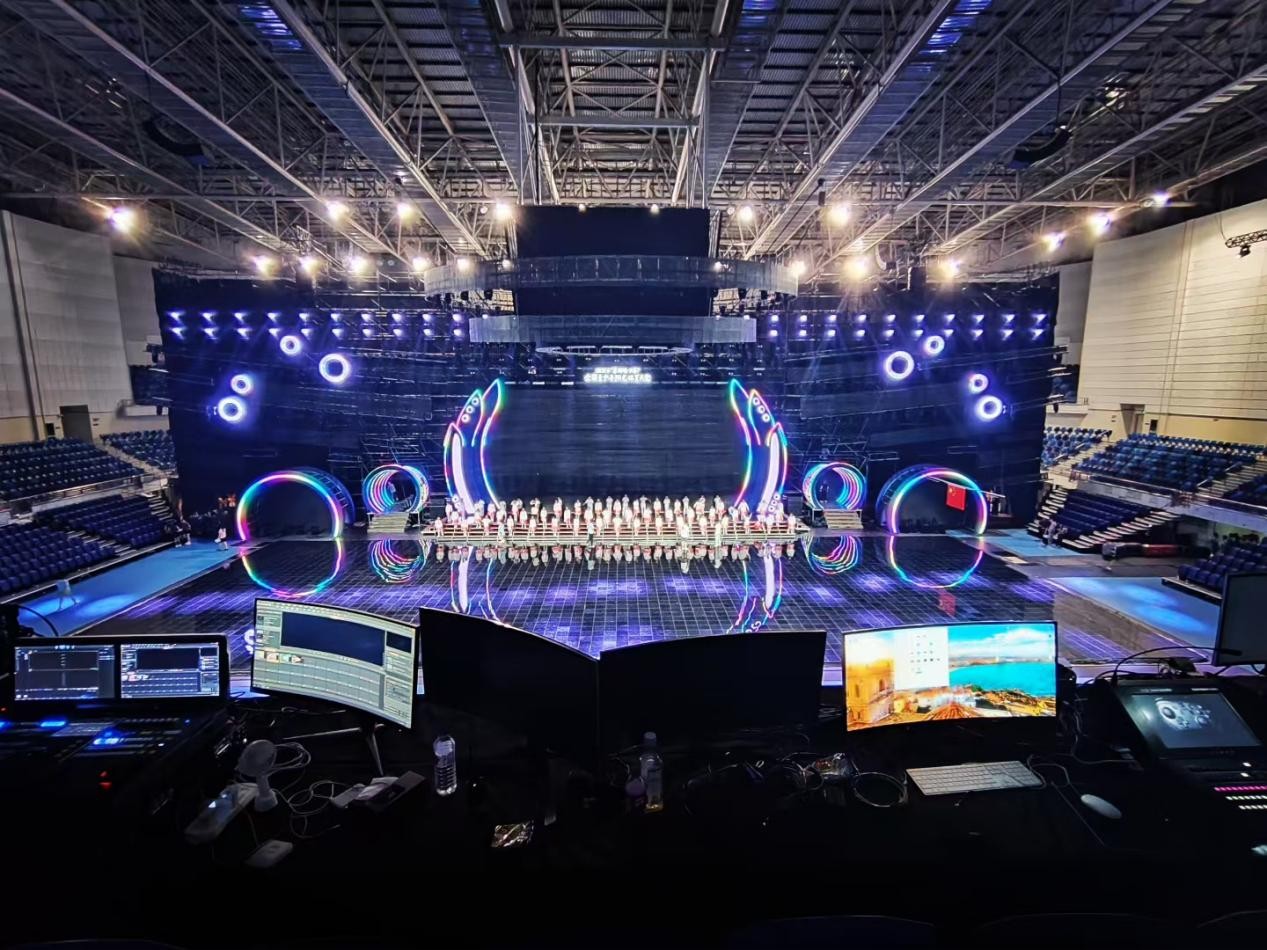
Kystar nails the operator-first angle by turning complex sync into a dependable utility—true value you can point to in the rig and rely on later; simple, effective, steady.