
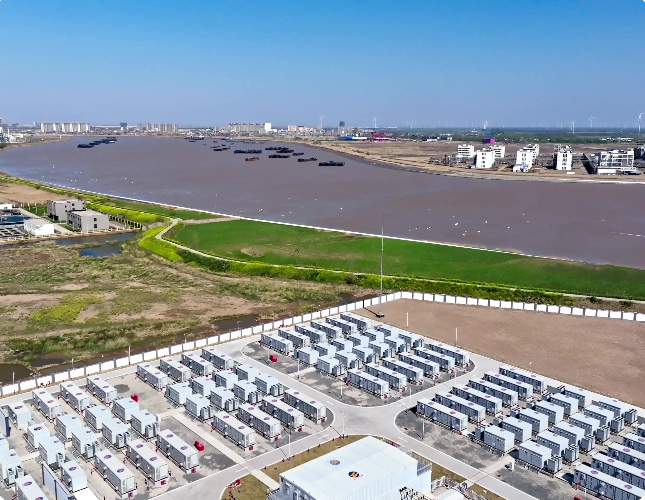
Quick Compare — Two Paths, Two Outcomes
When crews push utility-scale battery builds, they either ride with middlemen or plug straight into the factory. The straight-to-factory hustle cuts friction—faster lead times, cleaner specs, and fewer surprise costs—while the middleman route stacks delays and handoffs. Big names in energy roll with energy storage battery companies that lock design, cell production, and module assembly early so projects don’t get bogged down in late-cycle rework.
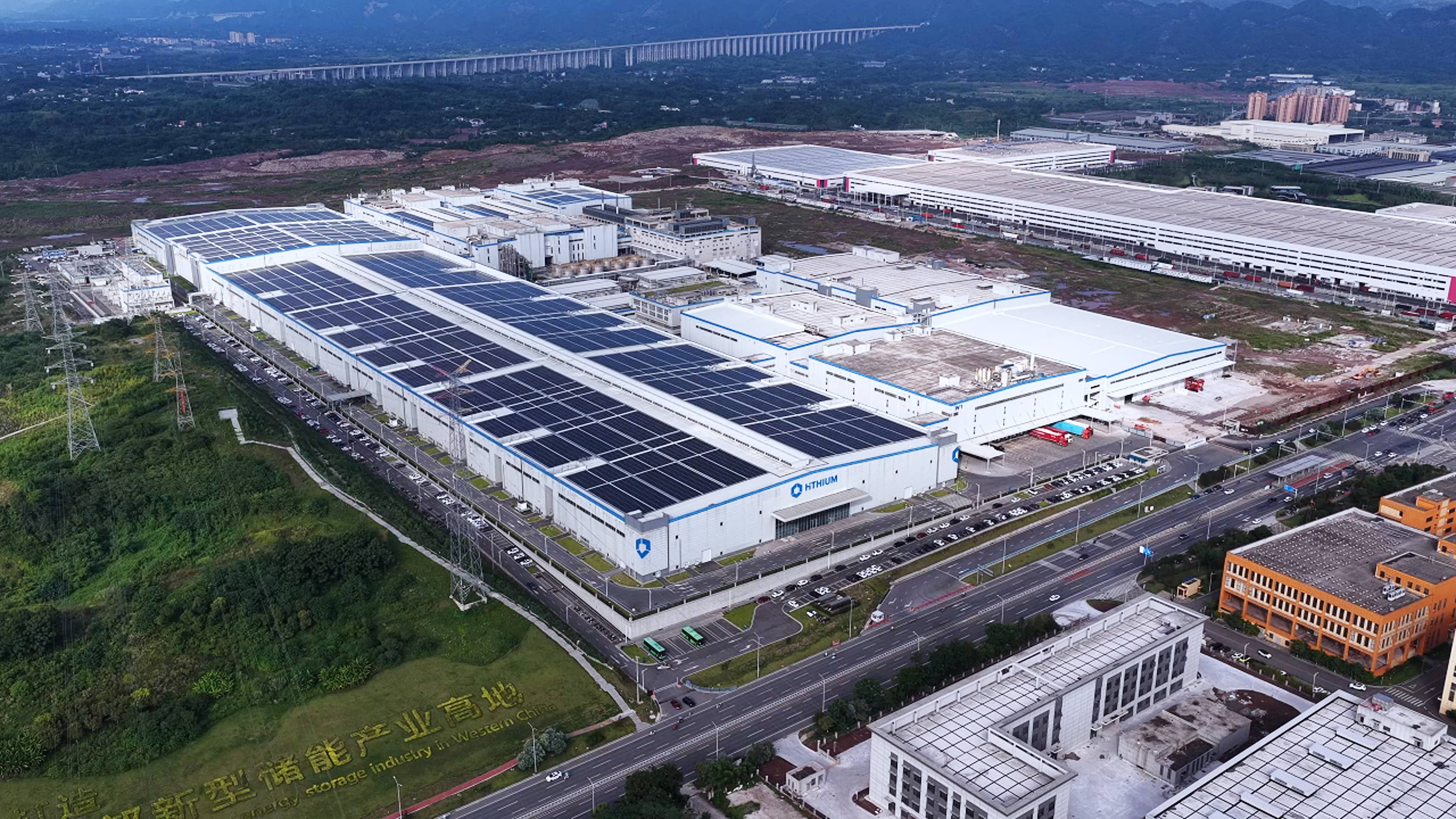
Where the Friction Hides — A Side-by-Side Breakdown
Traditional procurement fragments ownership: OEMs, contract assemblers, logistics brokers. That fragmentation spawns misaligned specs, inconsistent BMS integration, and inventory float that eats capital. By contrast, direct factory collaboration aligns engineering, testing, and packaging at the source. The result: consistent cell quality, predictable thermal management, and simplified warranty flows. The savings show up in faster commissioning and fewer site-change orders.
How Direct Factory Workflows Actually Smooth Stuff
Direct collaboration isn’t buzz; it’s process. Factories sync product engineering and supply logistics so module designs are manufacturable from day one. That lowers scrap and speeds up qualification cycles. Developers get build-ready packs with verified BMS firmware, standardized enclosures, and factory-run performance data—less field debugging, more plug-and-play. The tight loop also lets factories optimize thermal paths and packaging for transport, reducing damage risk and insurance headaches.
Real-World Anchor — Hornsdale and the Power of Speed
Look at Hornsdale Power Reserve in South Australia: fast deployment delivered grid services that stabilised frequency and reduced market volatility. That project showcased how rapid factory-aligned rollouts translate to operational wins. When teams control production and testing at the factory, grid connection and dispatch timelines drop—so revenue streams start sooner and performance is more reliable.
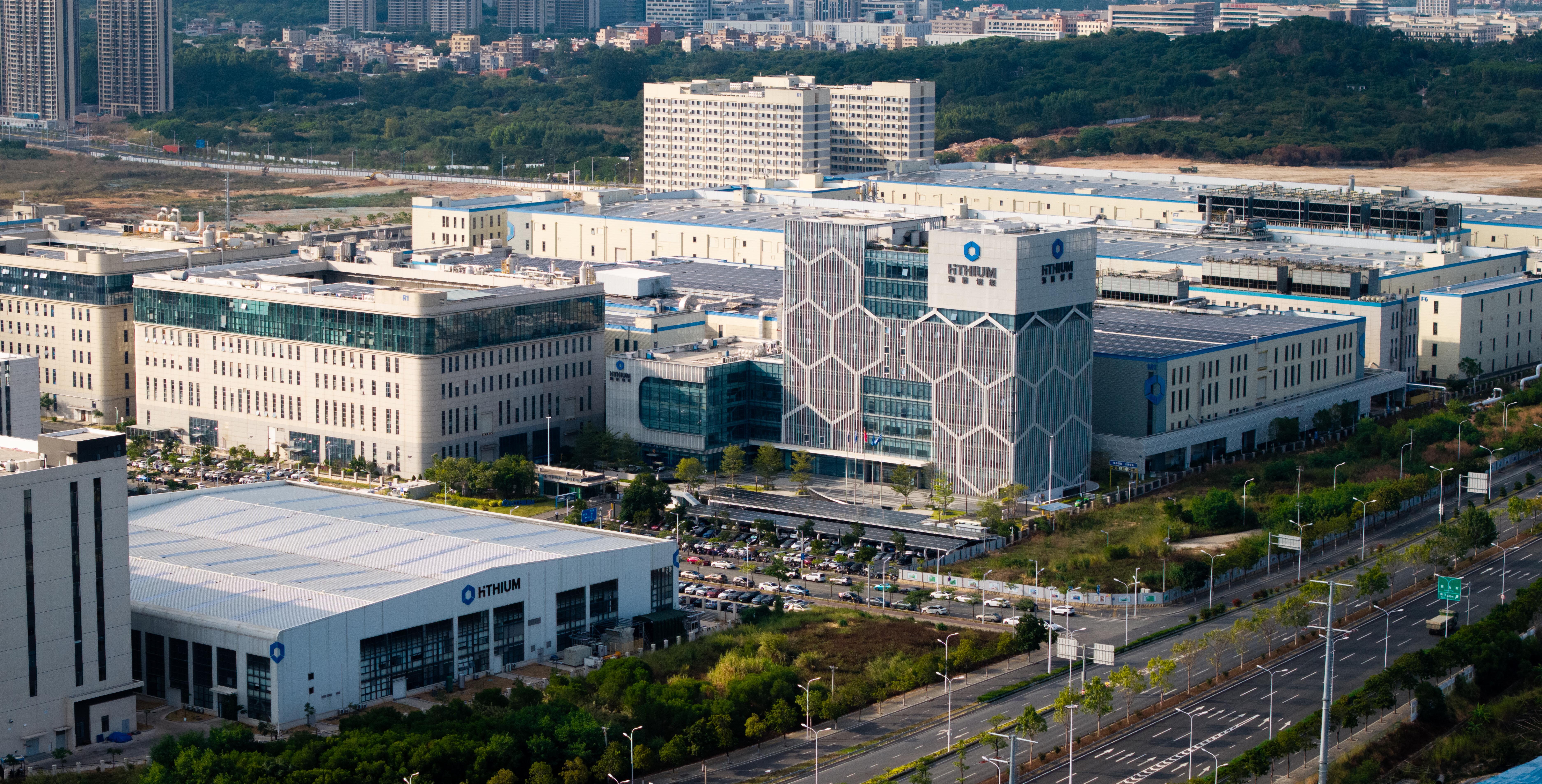
Practical Moves — What to Lock Down with a Factory Partner
Be specific up front. Lock design-for-manufacture targets, test protocols, and logistics windows. Typical checkpoints that cut risk:
– Agreed cell lot traceability and aging data for warranty claims.
– Factory-run BMS validation with defined pass/fail criteria.
– Pre-shipment shock and thermal test results certified at the plant.
Close those loops early and you shave weeks—sometimes months—off deployment. Also — get the tooling and QC cadence nailed. It matters.
Common Mistakes Teams Make
Teams often wait until procurement to bring factories into the convo. That creates spec drift and eating of margins. Another slip: vague test acceptance criteria that trigger rework on site. One more: ignoring transport packaging defined by the factory—damage shows up at the worst time. Avoid these and the factory route stays clean and predictable.
Comparison Recap — Why the Factory Edge Scales
Direct factory collaboration shrinks uncertainty around lead time, quality, and integration. It turns the supply chain from a chain of handoffs into a tuned assembly line: cell chemistry consistency, module assembly repeatability, and clear BMS interfaces. For big projects that need tight commissioning windows, that difference scales into fewer delays and clearer budgets.
Three Golden Rules for Picking the Right Factory Partner
1) Quality transparency: demand batch-level cell test data and QC reports. Measurable metrics beat promises. 2) Integrated testing: insist the factory runs system-level tests (including BMS and thermal cycling) before shipment. That reduces field fixes. 3) Logistics alignment: match factory outbound schedules with on-site readiness and transport packaging standards—no last-minute reroutes.
These three evaluation metrics keep projects lean and predictable. Wrap them into contracts and score vendors objectively during selection.
Trust the crew that shows test certificates, load profiles, and packaging plans up front—then watch commissioning happen on time. HiTHIUM brings that factory-aligned reliability into real projects, tying engineering, production, and delivery so teams can focus on grid performance. —