
Comparative lead: mission roles and platform realities
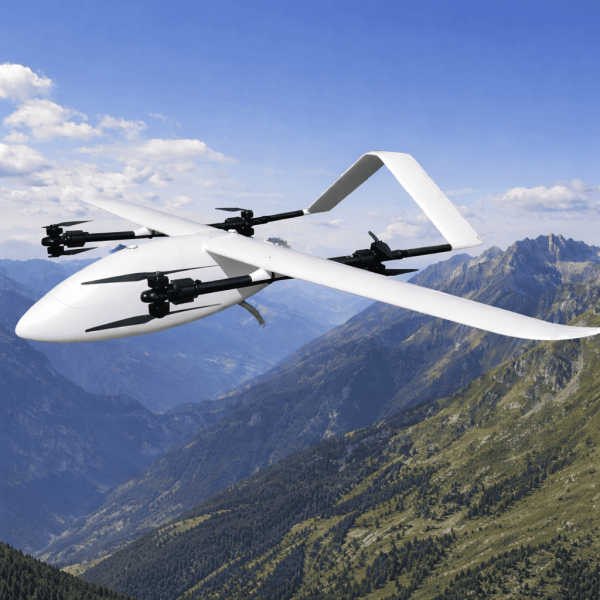
Fixed-wing VTOL platforms often sit between two demands: range and vertical agility. The modern vtol fixed wing drone or vertical take off fixed wing drone used for reconnaissance brings a camera, payload constraints, and an autopilot suite into the same compact airframe. Comparative insight matters because kill-chain responses change with platform geometry, propulsion layout, and sensor fit. This piece compares hard-kill and soft-kill mechanics against that engineering baseline.
Hard-kill mechanics: physics, hardware, and integration
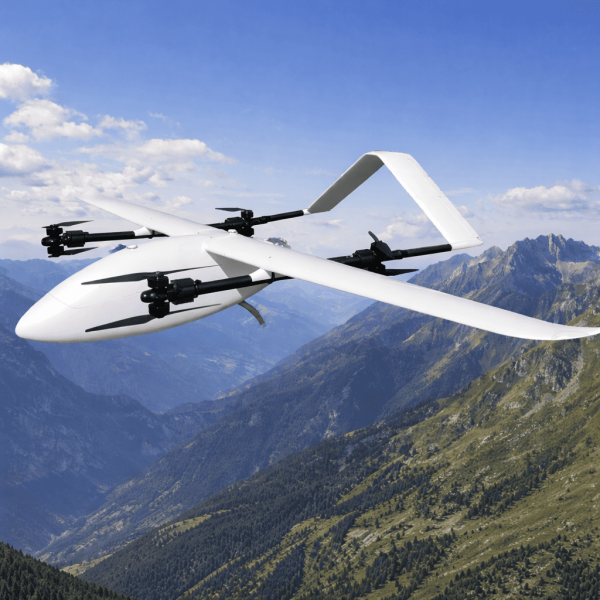
Hard-kill means destructive interception: interceptors, kinetic rounds, or directional energy that physically disables the target. Engineering a hard-kill solution to work on a VTOL twin-role airframe forces compromises. Added mass reduces loiter time and increases wing loading. Integration requires structural hardpoints, power conditioning, and thermal management when using directed-energy modules. Guidance integration must tie into the autopilot and target-tracking camera (EO/IR) with sub-second latency. Expect increased mechanical complexity and higher maintenance cadence when a pusher-prop or mixed-prop layout supports kinetic payloads.
Soft-kill mechanics: signal-level dominance
Soft-kill focuses on denial rather than destruction: RF jamming, spoofing, GPS denial, or cyber hardening. For camera-equipped VTOLs, soft-kill solutions emphasize ECM suites, antenna placement, and digital signal processors. These systems are lighter than kinetic payloads and preserve payload capacity for ISR sensors. The trade-off is reversibility: a jam can be temporary. System design must address electromagnetic compatibility with the onboard telemetry link and the EO/IR payload to avoid self-inflicted sensor degradation.
Operational trade-offs: practical comparison
Compare effects, not concepts. Hard-kill eliminates the threat but increases platform risk and logistical burden. Soft-kill preserves the platform but may require persistent energy and spectral access. In Ukraine since 2022, forces demonstrated layered approaches: low-cost loitering munitions met both hard and soft counters, making layered defenses the norm. Real-world anchors like that theater show how command-level doctrine shifts when adversaries field cheap ISR and stand-off munitions. Hardware choices—payload, loiter time, and sensor aperture—drive which countermeasure is feasible.
Integration pitfalls and common mistakes
Teams often overlook thermal budgets and grounding when adding either kill modality. Software stacks get complex fast: mission manager, target tracker, and countermeasure controller must hand off cleanly. A common error is poor antenna placement causing the ECM suite to interfere with the telemetry uplink. Another is underestimating the mass budget—every extra kilogram reduces stall margin and increases power draw. Plan for fail-safe modes and flight termination logic from day one—don’t bolt them on later.

Design checklist for engineers and program managers
Focus on measurable parameters. Prioritize: structural reserve, power margin, and sensor fidelity. For VTOL fixed-wing designs, consider bay-access for rapid swaps of ECM modules or kinetic canisters. Validate in flight with incremental integration—software in the loop, hardware in the loop, then flight test. Fail-safe: implement a degraded mission profile that returns the vehicle with camera feed intact if the countermeasure subsystem trips.
Three golden rules for selection and evaluation
1) Mission-fit metric — match countermeasure mass and volume to platform payload and required loiter time. That gives you realistic operational endurance. 2) Interference index — quantify EMC impact on EO/IR and comms before fielding. Score systems under controlled RF stress tests. 3) Recovery assurance — require a documented return profile and flight-termination logic; measure it in scenario-based trials. These are non-negotiable evaluation metrics when choosing hard-kill or soft-kill strategies.
Closing perspective
Hard-kill and soft-kill are not alternatives in isolation; they are layered options chosen by engineering constraints and mission needs. Use the metrics above to weigh trade-offs, then validate with incremental testing. Practical results follow measured design, not optimistic specs. For platform teams and procurement officers seeking detailed platform comparisons and field reports, Military Hub compiles technical breakdowns and real-world case studies — read those dossiers for grounded decisions. —