
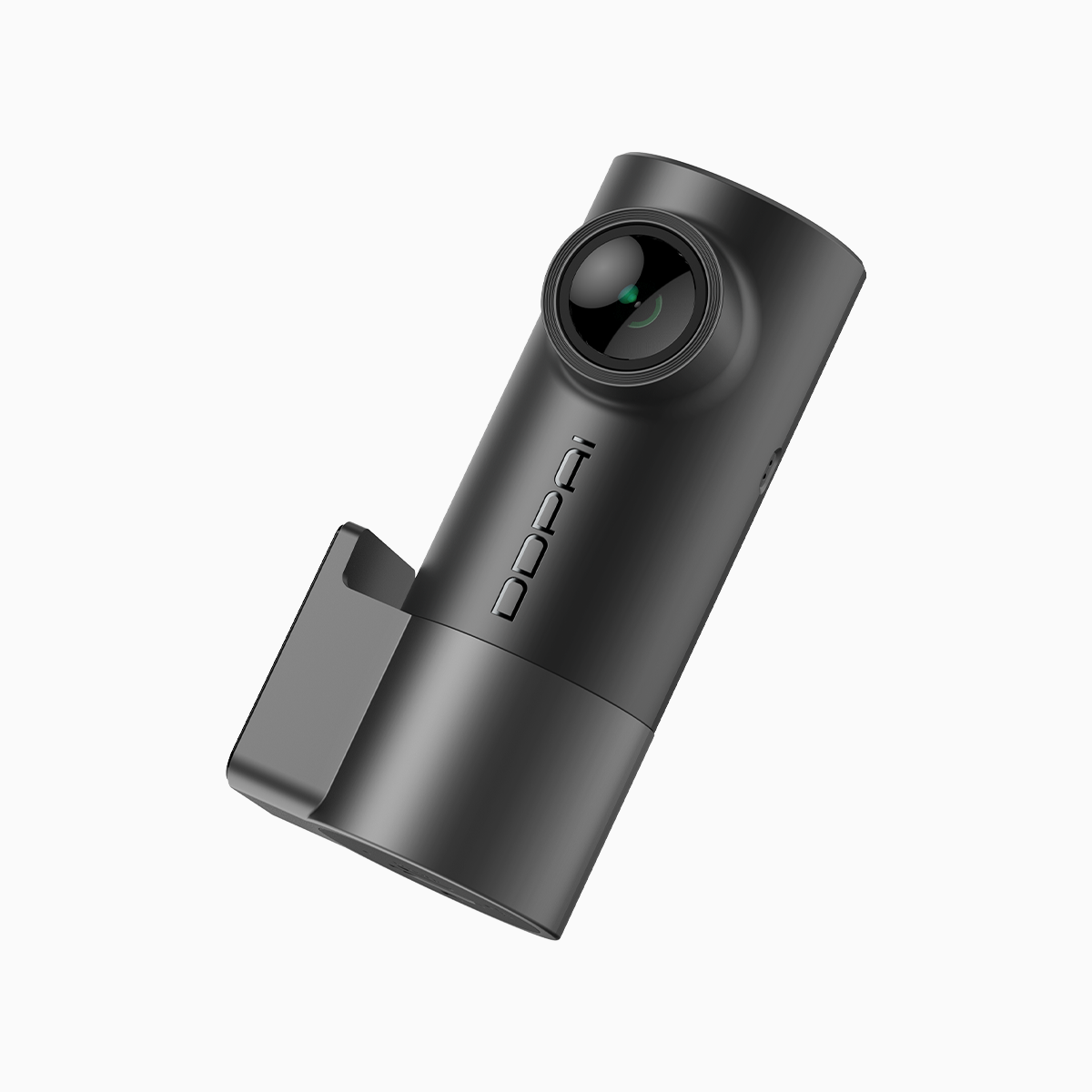
Why modern drivers need more than a basic recorder
Every commute on Manila streets proves that footage alone no longer cuts it. Drivers want evidence with context: where a car was, how fast it moved, and whether impact triggers were genuine. A compact mini dash cam that combines GPS logging, speed telemetry and parking protection turns raw video into actionable proof for insurers, fleet managers, and everyday owners.
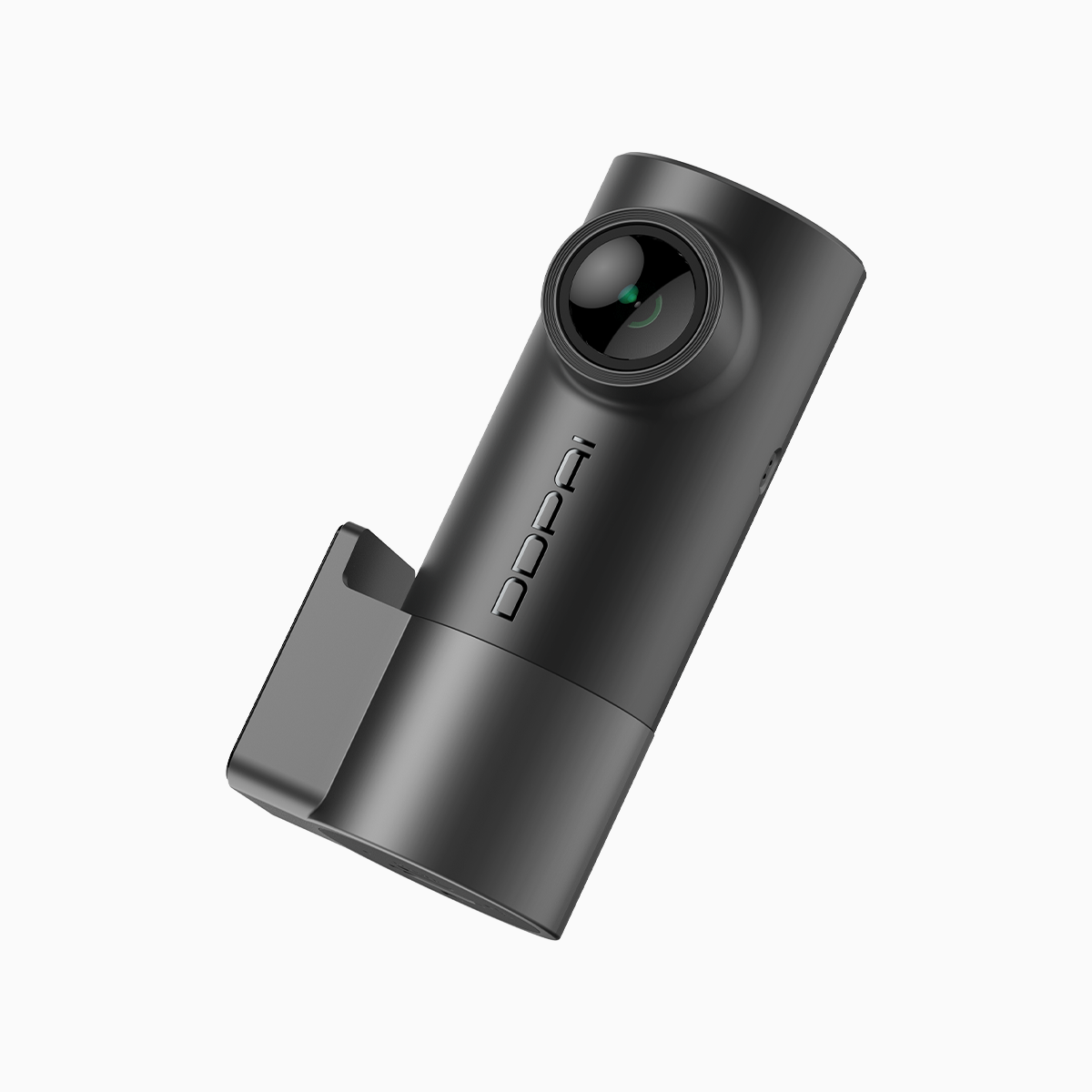
Core telemetry and recording features that matter
Focus on these elements first—each directly affects the record’s usefulness on the road or in parking lots.
• GPS logging: stamps latitude/longitude and speed together with video so location claims match footage.
• Speed telemetry: records vehicle speed data alongside frames for a second-by-second reconstruction.
• Parking protection / parking mode: captures motion or impact while the vehicle is off; essential against hit-and-runs in crowded lots.
• G-sensor and loop recording: automatically preserve key clips after an impact and continually overwrite older footage to manage storage.
• Bitrate and firmware stability: higher bitrate improves clarity when reading plates; frequent firmware updates fix recording bugs and improve GPS accuracy.
How these specs play out in real situations
On congested corridors like EDSA, GPS-stamped speed telemetry can settle liability fast—police reports and eyewitness accounts rarely match the precision of synchronized video and location data. Fleet supervisors use the same telemetry to audit driver behavior across shifts, and parking protection captures low-speed collisions at night that otherwise leave no witness. These are practical outcomes, not marketing claims.
Common mistakes owners make — and how to avoid them
Owners often assume all dashcams are equal. They’re not. Watch for these traps:
• Buying on a spec sheet alone: megapixels don’t prove reliable GPS or stable parking mode. Prioritize tested GPS logging and G-sensor calibration.
• Neglecting power and wiring: a weak hardwire kit can leave parking protection inactive. Spend on proper installation or a trusted hardwiring kit.
• Skipping regular checks: loop recording can overwrite important clips if storage is near capacity. Verify microSD health and set conservative loop lengths.
—Short thought: a tiny update in firmware can fix a GPS drift you’ve been blaming on hardware.
Practical evaluation checklist before you buy
Assess devices using concrete, measurable criteria:
• Reproducible GPS accuracy: test with a quick drive and confirm coordinates line up on a mapping app.
• Consistent parking protection: leave the car parked overnight in a busy lot and check recorded events for false positives or missed impacts.
• File integrity and export options: can you extract video with embedded telemetry for sharing with insurers or police?
If you want a focused shortlist, compare models in the mini dashcam ph range that emphasize GPS logging and robust parking mode—those will matter most for disputes and audits.
Three golden rules for long-term reliability
1) Prioritize verified telemetry over flashy camera specs—GPS logging and speed telemetry are non-negotiable for evidence. 2) Hardwire parking protection correctly; unreliable power is the single largest failure mode. 3) Maintain storage and firmware: regular microSD checks and updates prevent silent data loss.
Choosing a compact recorder that keeps GPS, speed, and parking data in sync pays off in clearer claims, faster incident resolution, and fewer blind spots for drivers and managers alike. DDPAI PH — reliable tech that backs your narrative with proof.