
Introduction
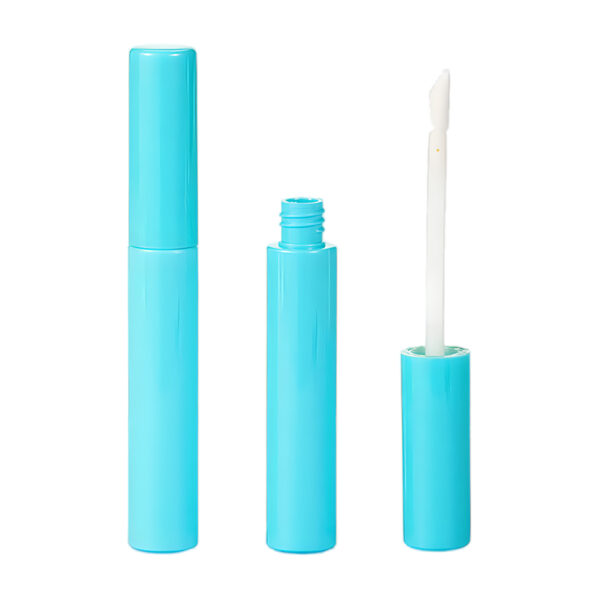
Here is a simple truth: packaging can make or break a product launch. The clear lip gloss tube looks basic, but it sits at the center of speed, shelf appeal, and QC risk. In one sprint-to-shelf scenario, a brand faced a 40% lead-time spike after a mold change and saw a 12% surge in returns due to minor seal issues—small tolerances, big cost. Many teams now vet china clear lip gloss tube manufacturers because the supply base is deep, the tooling options are broad, and the per-unit price is stable under pressure. The variables are not romantic: injection molding stability, PP resin grade, and airflow during cooling matter (a lot). Yet the real story is this—what is the hidden benefit of a “simple” transparent shell when the calendar gets tight and the SKU count grows? Can it reduce decision time, cut inspection cycles, and keep consistency across shades without visual mismatch? Let’s map the problem space, then compare what actually works and why. Next, we look at the things users often miss.

Comparative Pressure: What Users Miss in the Clear Shell
What problem hides in plain sight?
Most teams expect the tube to be a passive part. It is not. Traditional opaque tubes mask fill variation, dimple marks, and neck thread issues. A clear format exposes every defect, which sounds scary—until it speeds QC. With a clear body, line operators can spot bubbles, underfill, or streaking in seconds. That means fewer hold-backs and faster release. But here is the catch: if the neck finish is off by a hair, torque tests fail and leakage follows. Applicator flocking density and stem rigidity also drive wipe quality, which controls payoff. So the pain point is not “clear vs. opaque.” It is matching resin flow, mold cavity balance, and cap threading to your formula viscosity. Look, it’s simpler than you think, but only if your supplier proves stability under heat and pressure with real AQL data.
Another blind spot: sample bias. Brands approve golden samples from a tuned press, then scale to a new line without the same process window. That is when micro-scratches, haze, or cap squeak appears—funny how that works, right? To avoid this, ask for multi-cavity correlation, not just a pretty piece. Serious china clear lip gloss tube manufacturers document cavity-to-cavity variance, do torque curves across caps, and share QC sampling logic. They should speak in numbers: pull-force on wipers, seal integrity after 48-hour thermal cycles, and haze index under LED light. If your vendor also references ISO 22716 handling and provides traceability on PETG or PMMA lots, you can align expectations. The clear shell is a lens into process health; if you see it that way, small flaws become fast fixes rather than retail returns.
From Pain to Playbook: What’s Next for Spec-True Tubes
What’s Next
Forward-looking plants now anchor quality in new technology principles. Inline vision systems check fill height and bubble count in real time, while closed-loop temperature control stabilizes wall thickness. Digital mold libraries store process recipes for each cavity and resin, so a line restart hits the same window without guesswork. Combined with inline torque testing and RFID lot tags, you can prove seal integrity without pulling random cartons. When you pair that with low-haze PETG and improved wiper geometry, the result is less weep, better glide, and fewer reworks. If price is tight, a cheap clear lip gloss tube can still meet spec when the vendor runs a disciplined process window and shares real SPC charts (not just pass/fail stamps). This is the comparative edge: fewer variables, faster sign-offs, and cleaner shelf presence—under bright store lights, no less.
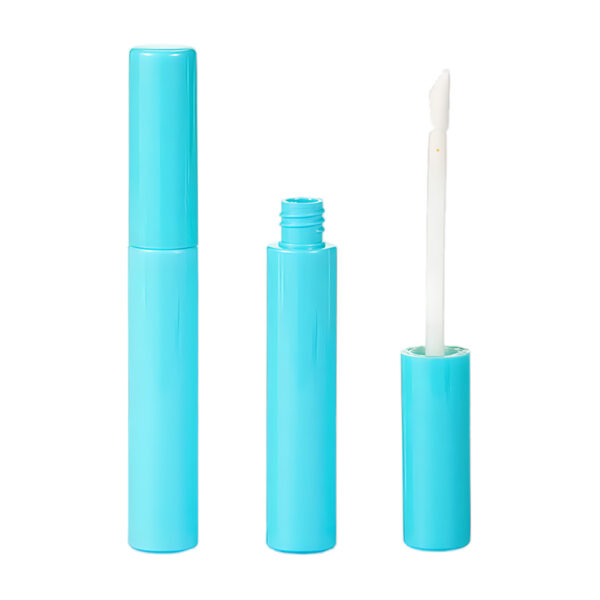
So, how do you choose in practice? Keep the tone practical and the checks simple. First, verify cavity balance and haze consistency on a three-lot run; numbers beat claims. Second, audit torque curves and leak tests after 48-hour heat/cold dwells; seal behavior tells you more than a pretty sample. Third, validate applicator flocking density and wiper fit against your formula’s viscosity; payoff is the user’s truth. These three metrics compress risk and time, and they work across vendors. In short, the clear tube is not just packaging. It is a control surface for your process, your QC, and your brand feel—across launches and shade updates. Keep it spec-true, keep it visible, and your ops flow follows. For more grounded insight from a maker’s lens, see NAVI Packaging.