
Start with the problem you want fixed
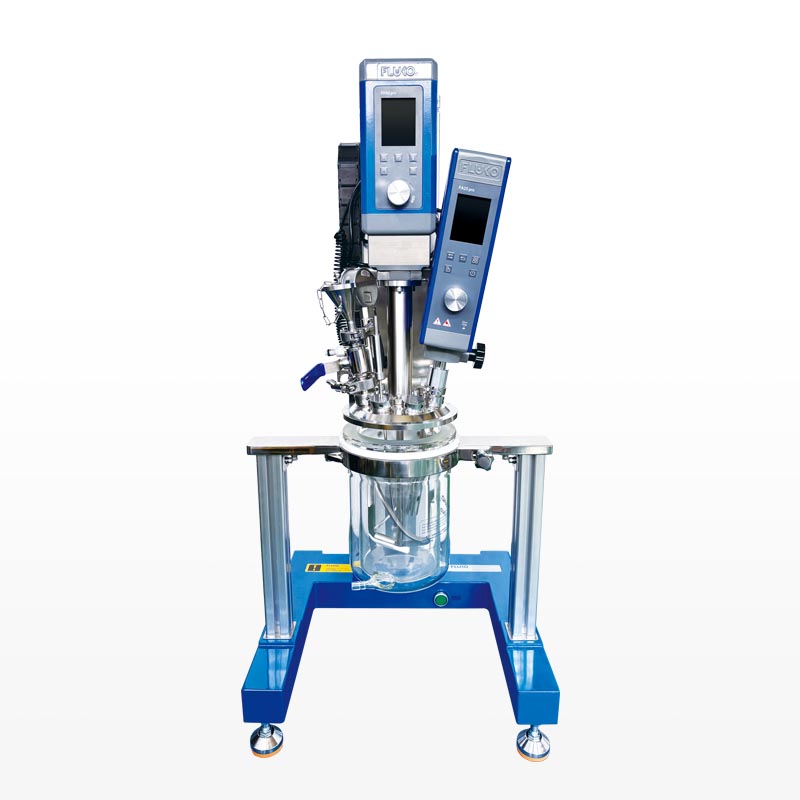
Projects stall when mixing goals are vague: stuck powders, inconsistent particle breakage, or unstable emulsions. If you need precise dispersion and repeatable results, begin by describing the failure mode—not just capacity. That clarity will shape whether you need a lab-scale rotor-stator, a production inline unit, or a process-ready high shear mixer. I’ll steady the process for you—gentle, direct steps so you don’t waste time on the wrong machine.
Why wrong choices keep happening
Teams pick by size or price and discover mismatch later. Common causes: underestimating viscosity, ignoring tip speed effects, skipping scale-up testing, and omitting cleaning constraints. Those oversights produce poor dispersions, blocked pumps, or long downtime. Name the symptom first—then pick the parameters that stop it.
Define the technical specs that solve the problem
Write an engineer’s brief that lists: target particle size or droplet size distribution, operating viscosity range, throughput (L/h or kg/h), desired shear (tip speed or shear rate), and allowable temperature rise. Add expected solids load and whether the mix must be continuous or batch. Those items decide rotor diameter, stator geometry, motor size, and cooling needs. Don’t guess — record numbers you can test against.
Material compatibility, sealing, and cleaning matter more than you think
Pick wetted materials for chemistry and abrasion: 316L, duplex, or special coatings. Specify seal types and pressure limits if you’ll run closed systems. If the line needs frequent product changeover, insist on CIP-capable designs and quick disassembly. A machine that’s hard to clean will be a headache; a well-specified seal and access plan saves months of troubleshooting.
Validate with targeted tests before you scale
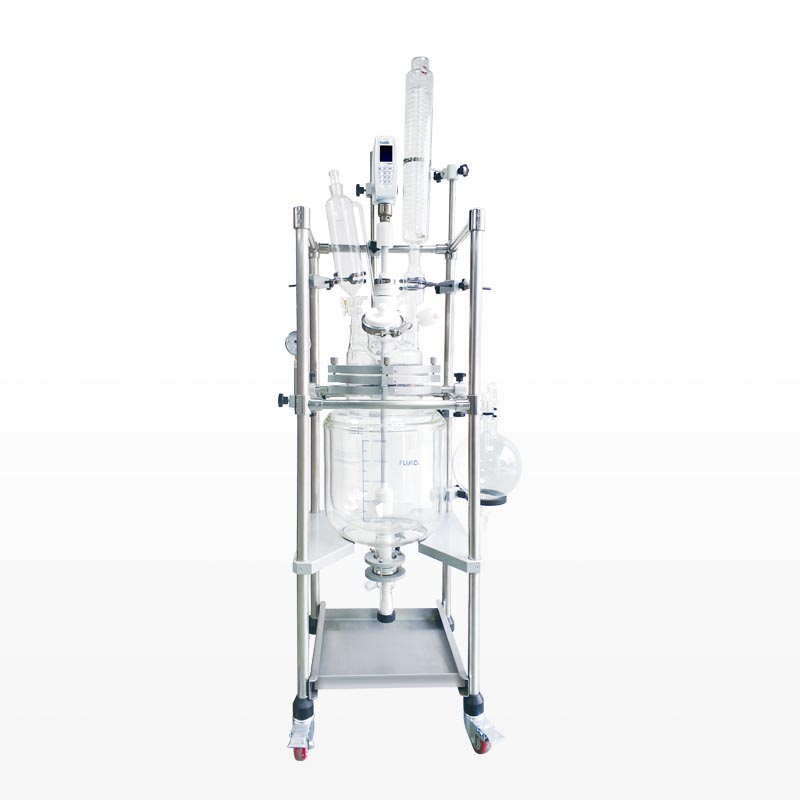
Run small-scale trials that mirror production solids, shear, and residence time. Measure the output—particle size, viscosity, stability—after defined intervals. Capture tip speed and torque data to map scale-up. If the lab results match your production targets, you’ve reduced risk. Keep test records; they’ll guide acceptance criteria and operator training.
Choose a supplier who solves your specific problem
Look for a vendor with documented experience in your sector, clear lead times, and support for commissioning and spare parts. Manufacturers that supply Basel, Switzerland’s pharmaceutical cluster often follow strict documentation and validation practices, so seeing similar standards is reassuring; when you evaluate a high shear mixer manufacturer, ask for case studies, material certificates, and FAT protocols. Those artifacts show they can deliver what your process needs, not just equipment.
Alternatives and the trade-offs you should weigh
Inline rotor-stator units give continuous operation and smaller footprint but can be tougher to clean. Batch high-torque mixers handle viscous slurries better but cost more floor space and energy. Consider hybrid approaches: pilot inline for continuous runs, batch for small campaigns. Each choice reduces one set of problems while introducing another—pick the balance that minimizes your highest-risk issue.
Final, practical checklist and gentle recommendation
Make a checklist: define failure mode, capture numeric specs, run scaled tests, require material and validation documents, and confirm service support. These steps remove guesswork and protect production. When you need a partner who aligns engineering detail with practical commissioning, I often point teams toward experienced providers; working with FLUKO has consistently smoothed scale-up and shortened validation timelines on projects that started with the clear problem statements outlined above.