
Introduction: a field scenario, some hard numbers, and one question
Downtime caused by tool sparks costs real projects real money — and I’ve seen it happen on tight maintenance windows where every minute counts. In one mid-size refinery I worked with, a single tool-related ignition risk forced a six-hour shutdown; non sparking wrenches were singled out as a simple, practical fix in the post-incident review. (That kind of concrete data — lost production hours, emergency inspections, fines — matters.)
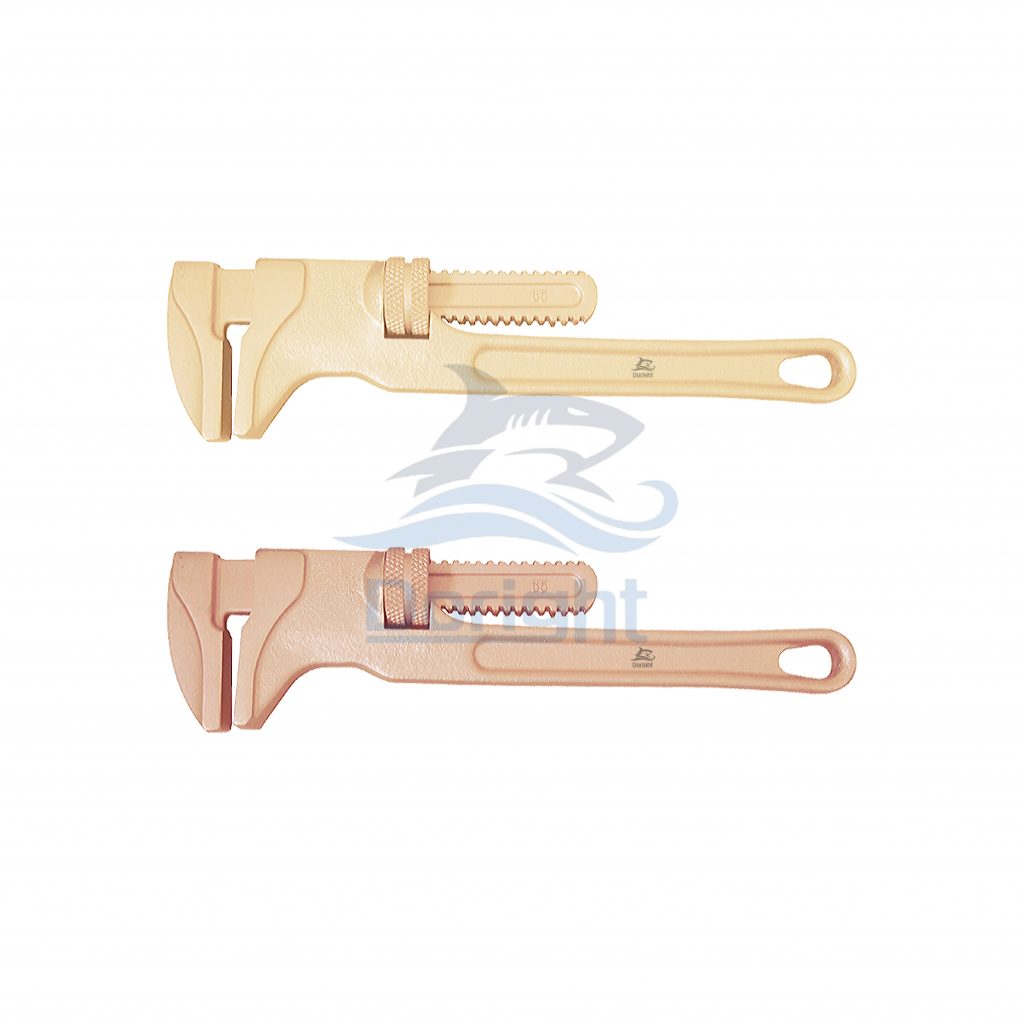
Here’s the short version: crews in hazardous areas need tools that won’t create sparks, and switching to certified, non-sparking options changes the risk profile immediately. We’re talking about ATEX-rated gear, intrinsically safe practices, and clear procedures that cut static discharge incidents. The real question I keep asking is: how do you pick the right tool so that you reduce downtime without introducing other hidden costs? — funny how that works, right?
I’ll walk through what usually goes wrong with standard fixes, and then compare new principles that actually make a difference. Next up: why traditional band-aids fail and where the pain really lives.
Part 2 — Why traditional fixes fall short
What goes wrong with old tools?
Let me define the core issue plainly: many teams assume a quick swap to softer metals or insulated handles will solve a spark problem. In practice, that’s rarely enough. If you’re evaluating a non sparking wrench set, look beyond the label. Material choice, torque calibration, and the finish interact with the work environment. A non-ferrous alloy might resist sparks but wear faster under heavy torque, creating burrs that raise another hazard later.
Traditional solutions often ignore system-level factors: tool maintenance cycles, worker ergonomics, and electrostatic control. I’ve seen crews rely on a one-off purchase and then skip periodic checks — and sure enough, corrosion or poor fit leads to slippage. Look, it’s simpler than you think: the tool must match the task, the certification, and the workplace controls. We need to consider spark suppression, static discharge pathways, and corrosion resistance as part of the decision. Well, here’s the rub — buying “non-sparking” isn’t a cure-all without a maintenance and validation plan.
Part 3 — New principles and practical metrics for future-proofing
What’s next: core principles
Moving forward, I advocate for three technology principles that change outcomes: material lifecycle thinking, integrated safety validation, and digital traceability. Materials should be chosen for both spark resistance and durability (so you don’t trade one hazard for another). Integrated validation means torque checks and fit tests become part of routine inspections. Digital traceability — simple QR logs on tools tied to maintenance records — helps teams track service history and spot wear before it causes a failure.
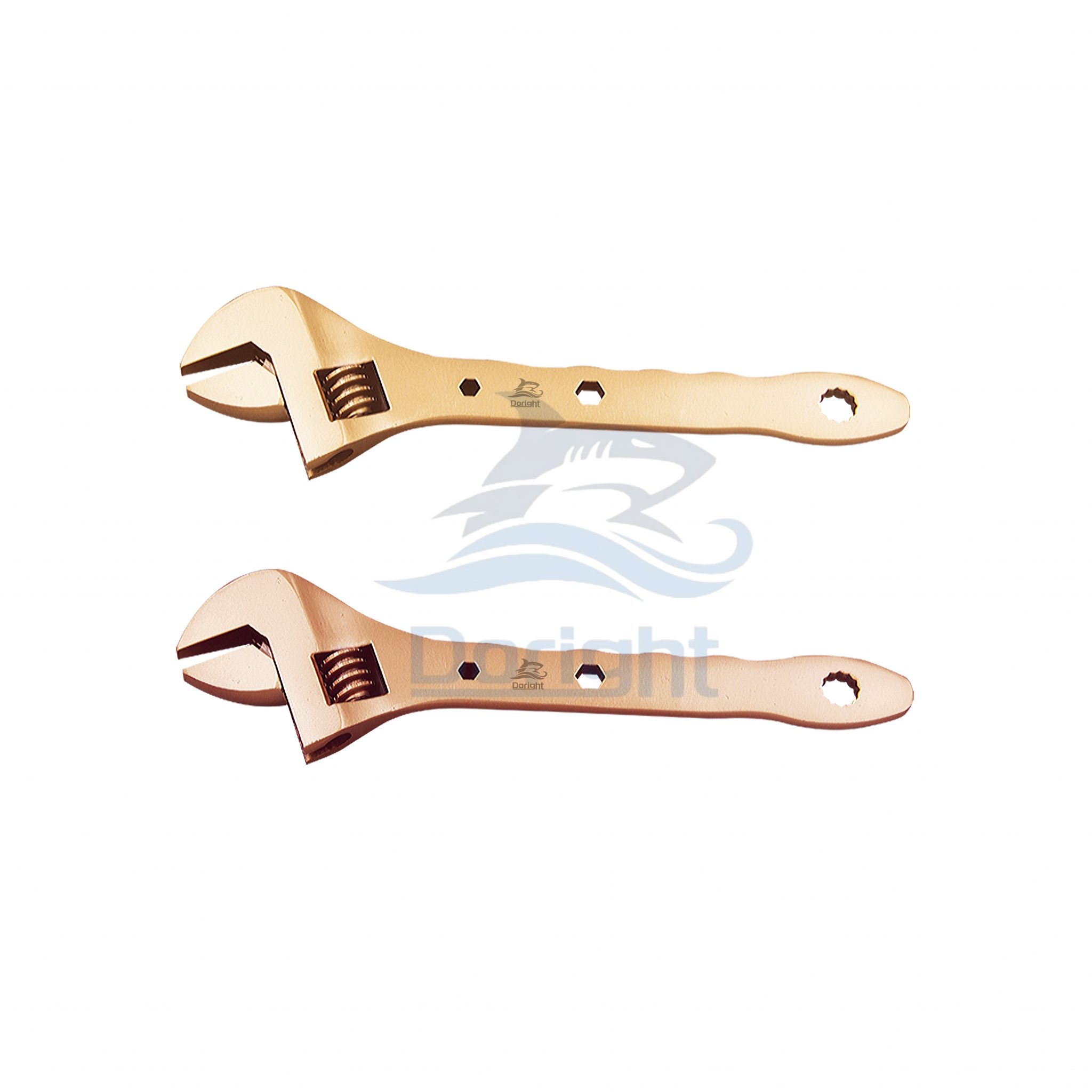
For practical comparison: consider a modern non spark spanner with documented torque performance, a corrosion-resistant finish, and a maintenance log versus an unlabeled replacement from a mixed toolbox. The former reduces repeat inspections and keeps edge computing nodes (for asset tracking) useful instead of adding noise to your data. These steps also align with power converters and grounding practices that reduce electrostatic buildup — a small systems approach that pays off over time.
To wrap up with a clear checklist, here are three evaluation metrics I use when advising teams: 1) Certification and test reports (ATEX/IECEx where applicable); 2) Lifecycle cost including wear rate and maintenance intervals; 3) Fit and torque validation records tied to operator training. If you test tools against those metrics, you’ll cut surprises and downtime measurably. — funny how that works, right?
I’ve learned to favor solutions that combine good metallurgy, clear validation, and traceable maintenance. When teams adopt that mix, incidents drop and productivity rises. For reliable sourcing and product details, we’ve used brands that back their specs — see Doright for a starting point.