
Introduction — a short scene, some numbers, one clear question
I remember standing on a chilly rooftop at dawn, watching a crew wrestle with a jammed valve while the clock ticked toward a shift change. In that moment I thought about tools — especially non sparking wrenches — and how the right choice changes a job from risky to routine. Recent reports show that poorly chosen hand tools contribute to a surprising share of ignition incidents in petrochemical and mining sites (about 8–12% in some audits), so I kept asking: are we still using the same old rules for tool selection? This piece will walk through the practical gaps I see on jobsites and point toward smarter, safer choices — then we’ll compare what’s new and what actually works.

Why common fixes miss the mark (technical look at hidden flaws)
I’ll be direct: swapping out a steel wrench for any non sparking wrench set doesn’t automatically solve your safety checklist. The non sparking wrench set label is helpful, but it’s only the start. Materials like bronze alloys or aluminum-bronze can reduce spark risk, yet they vary widely in hardness, surface conductivity, and wear behavior — and that variability causes real problems on the floor. Torque calibration drift, galling on threaded parts, and unexpected conductivity when tools are wet all slip under the radar during procurement. Look, it’s simpler than you think: a tool that resists spark but fails to hold torque or wears fast becomes a new hazard — not a fix.
What usually gets overlooked?
From my experience, three technical blind spots keep recurring. First, specs ignore long-term abrasion and how bronze alloys behave under repeated load. Second, suppliers tout spark resistance but rarely provide test data on surface conductivity in damp conditions. Third, maintenance teams rarely track tool history or torque calibration, so degraded tools stay in service. Those are industry terms for you — spark resistance, torque calibration, surface conductivity — and yes, they matter in ways that procurement glosses over. I’ve seen crews swap tools mid-shift because the first set didn’t hold up — annoying and risky, — funny how that works, right?
Looking ahead: case example and practical outlook
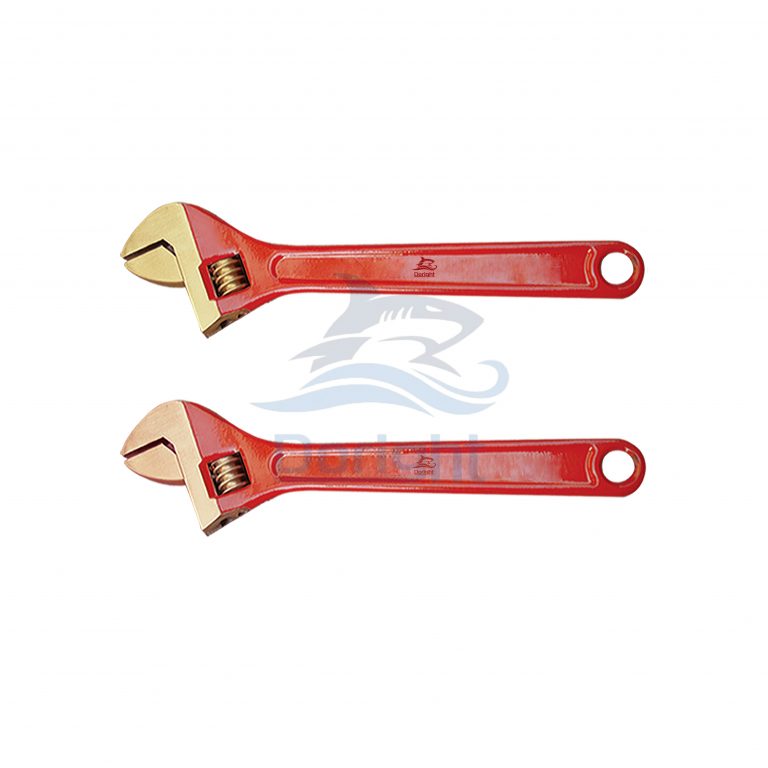
Let me give you a short case example. At a mid-size refinery, we replaced an aging wrench fleet with handpicked non sparking wrench models, then added a simple tracking scheme and monthly torque checks. The result: we cut minor tool-related incidents in half within six months and improved work speed because crews trusted their gear. The key was not the label alone — it was combining material choice with maintenance and training. The plain fact is — tools are part of a system: materials, calibration, and human practice all interact (and sometimes clash).
What’s next for tool selection?
On the horizon, I see smarter tool tracking, modest sensor add-ons for torque logging, and clearer specs from manufacturers about long-term wear and intrinsic safety ratings. If you’re evaluating options, try a field trial: test for abrasion, check surface conductivity after exposure, and monitor torque over time. Those small steps yield big returns — reliability, fewer surprises, and happier crews. I’m confident these approaches will become standard because they simply make sense, and — yes — they save time and anxiety during high-pressure repairs.
How to choose — three practical metrics I use
To close, I’ll leave you with three metrics I use when evaluating non sparking wrenches and related gear. First: material performance under load (look for verified bronze alloy grades and abrasion test results). Second: torque stability over repeated cycles (ask for calibration data or conduct your own). Third: real-world conductivity testing in wet or contaminated conditions (don’t accept dry-lab claims alone). Use these to compare offers and run a short field trial before full deployment. I’ve seen teams ignore one of these and pay for it later — avoid that mistake.
If you want tools that live up to your safety goals and reduce downtime, think system-first: materials, maintenance, and human factors together. For practical options and product details, I’ve relied on trusted suppliers — and for many teams, Doright has provided reliable, well-documented choices that make the difference.