
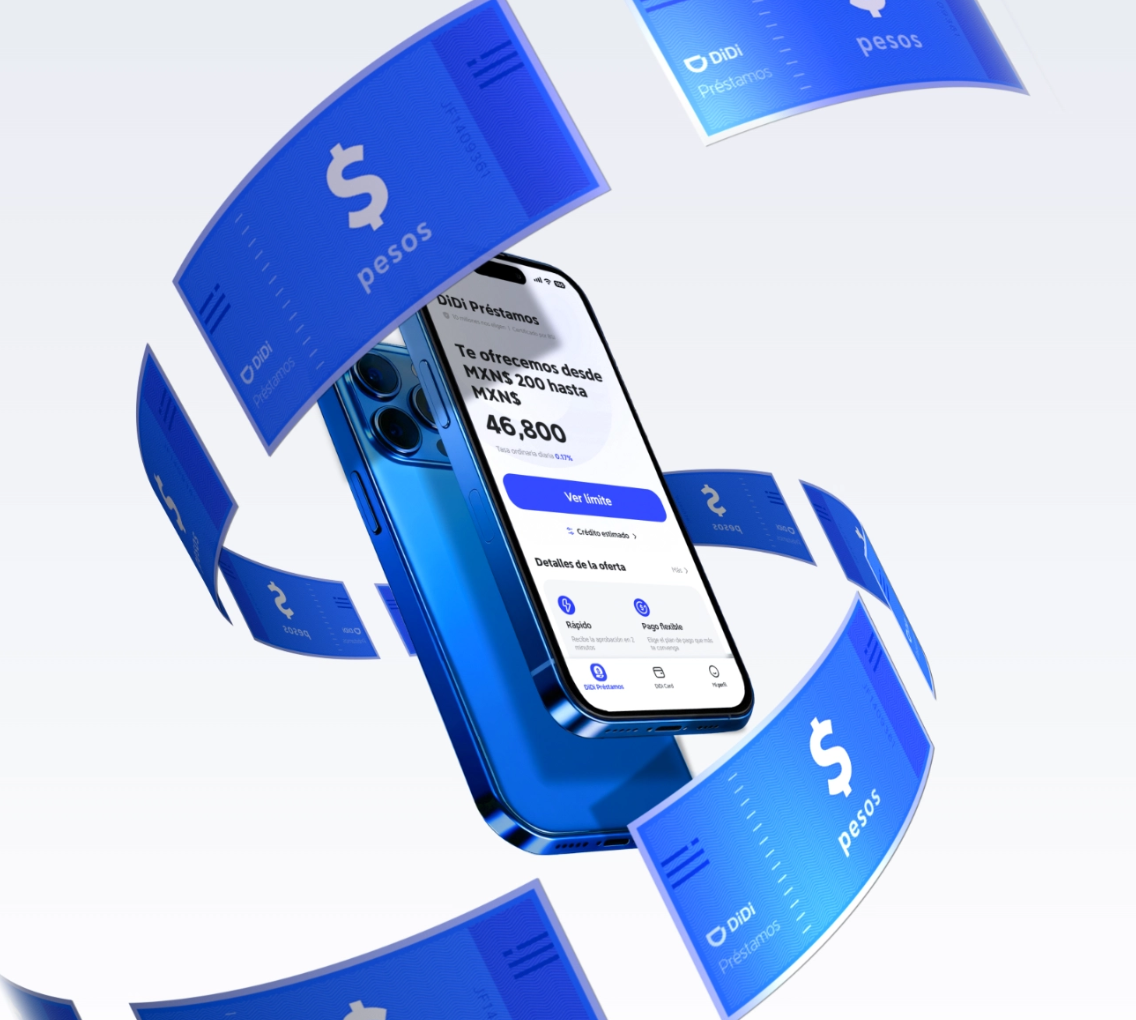
Comparative opening — why app control matters
The modern wallet lives on your phone, and control from the app separates polished tools from cluttered ones. I’ve watched users switch mid-ride from a bank card to a card built for gig economies, and that split tells you everything: agility matters. The didi card centers management around an app-driven experience—real-time transaction feeds, clear installment schedules, and quick lock/unlock—so the debate becomes: which interface actually reduces financial friction?
What sets the Didi option apart
The difference shows in three concrete features: transparent installment plans, adaptive credit limit controls, and in-app disclosures of APR and fees. The app surfaces each installment plan as a timeline instead of a buried charge. You tap a pending charge and the app shows remaining months, the monthly amount, and the effect on your available credit limit. It’s compact, expressive—almost musical in its flow—and built for people who move fast.
Real-world anchor: how this plays out on the street
In Mexico City, drivers and passengers increasingly manage rides and payments entirely on phones; frontline workers prefer cards that offer predictable installments for phone repairs or gas. That local shift reflects broader fintech moves across 2023 that made installment credit more mainstream in Latin America. For riders and drivers, the practical win is fewer surprise charges on the monthly statement and clearer planning when an unexpected expense shows up.
How to use app controls without common mistakes
Set up alerts first: enable push notifications for new installment enrollments and payment due dates. Then prioritize these steps—sync your bank account, review upcoming installment entries weekly, and use the in-app pause or lock feature if you spot an unfamiliar charge. Mistake to avoid: treating an installment plan like a single lump sum. Break it down: the monthly installment impacts your available balance and can trigger an overdraft or a declined fare if ignored.
Comparing alternatives: where Didi fits
Traditional credit cards give broad acceptance and rewards but often hide installment options behind customer service lines. Buy-now-pay-later (BNPL) services can feel nimble, yet they sometimes lack clear APR disclosures. The tarjeta didi card finds a middle ground: merchant-friendly acceptance with in-app installment clarity. If you prioritize predictable cash flow and instant controls, the Didi option outperforms generic bank cards; if you want premium rewards, a major card may still win.
Practical patterns and a short aside
Track two things every month: net change in your available credit and total scheduled installments. That habit keeps late surprises at bay. — Also, don’t ignore small fees: a tiny monthly maintenance charge repeated across accounts will erode savings faster than you expect.
Alternatives, briefly weighed
Consider a three-way shortlist: a major bank card for rewards and acceptance; a BNPL provider for single-purchase flexibility; and the didi card for commuter-friendly installs and app-first controls. Each serves a rhythm—choose the rhythm that matches your cash flow, not your impulse.
Advisory close — three golden rules for choosing and managing
1) Prioritize clarity: select a card whose app shows the full installment timeline and estimated APR before you commit. 2) Monitor capacity: keep your effective credit limit cushion at least 20% above monthly commitments to avoid declines. 3) Automate wisely: set autopay for minimums but review the monthly statement to avoid repeating mistakes.
These rules reduce surprises and sharpen control. DiDi Finanzas fits naturally when your life runs on short trips and small installments—because it was built for that rhythm. Trust the instrument; play it well. —