
User-focused framing and what matters first
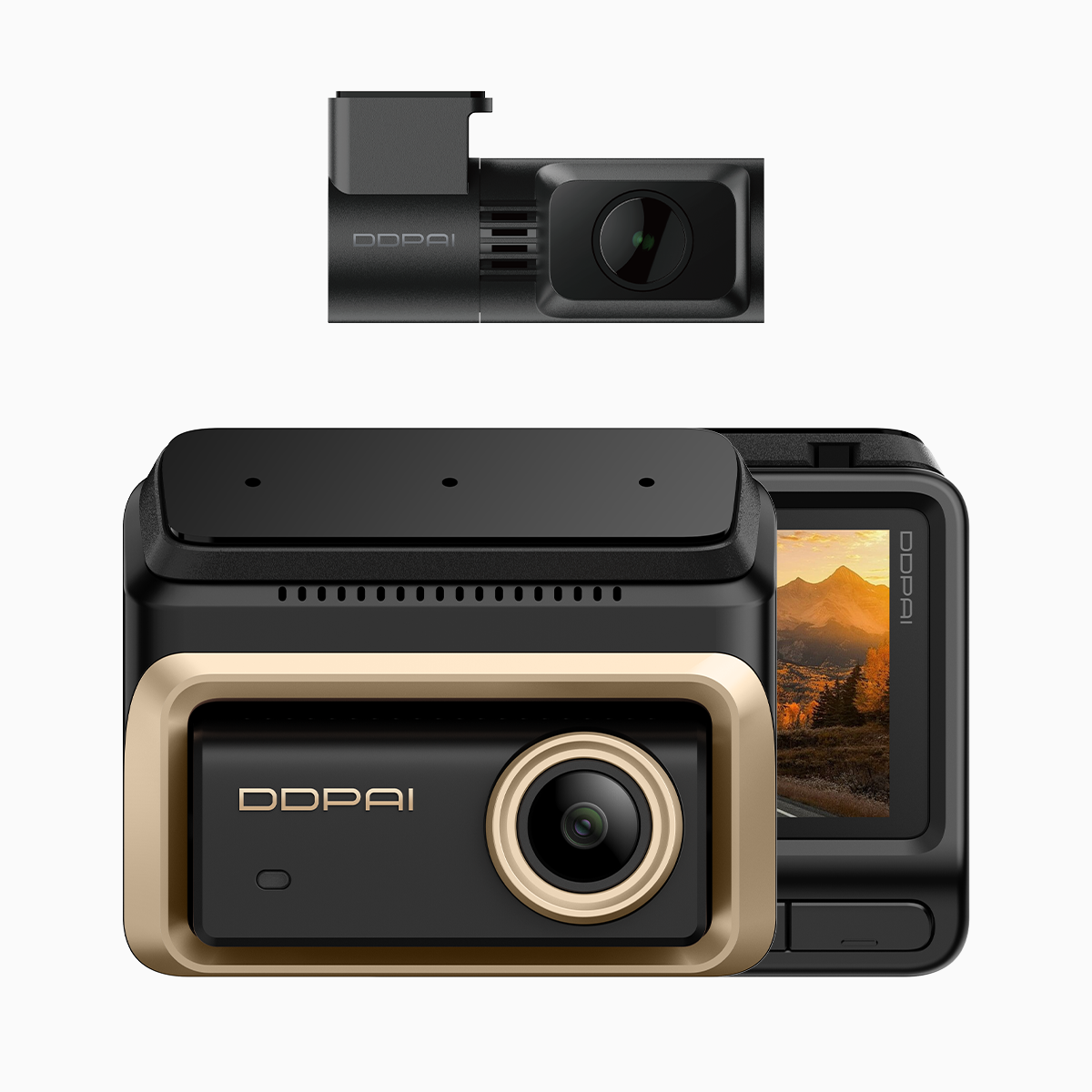
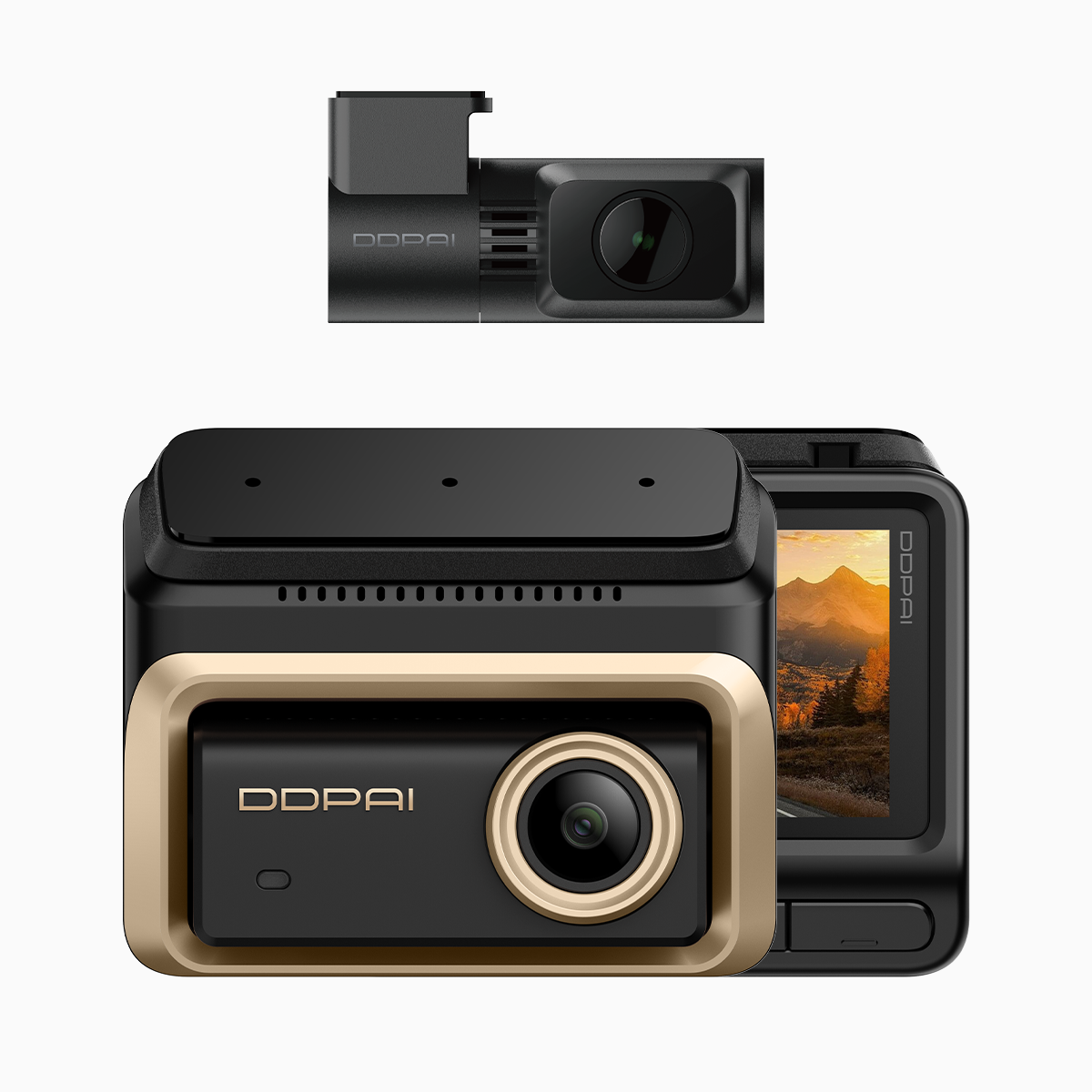
Drivers in humid climates need solutions that keep a dash cam stable day after day; the priorities are reliability, unobtrusive installation, and retained video quality. For owners of multi-lens setups, a robust mount helps the hardware—like a 3 channel dash cam—deliver consistent footage and uninterrupted Wi‑Fi pairing. This piece focuses on practical steps and selection criteria for windshield adhesion using electrostatic stickers, told from a technician’s mindset that values predictable scale and repeatable installs.

How tropical humidity undermines adhesion
Tropical climates—Metro Manila and much of Southeast Asia, where relative humidity routinely exceeds 70% during the wet season—create two failure modes: moisture barriers form between the sticker and glass, and thermal cycles change surface tension. In plain terms, trapped water and temperature shifts reduce contact area and break hold. Terms to keep in mind: adhesive substrate performance and condensation management are central to long-term stability.
Why electrostatic stickers can win — and when they don’t
Electrostatic stickers work by maximizing surface contact and using electrostatic charge rather than chemical glue, so they avoid residue and are easier to reposition. They’re excellent when the windshield is clean and the sticker’s material tolerates heat and humidity. They struggle if oils, silica residues, or persistent condensation sit on the glass. For three-lens systems, a stable mount also matters for image stabilization and parking monitoring features—vibration or tilt affects event capture and file integrity.
Installation checklist for repeatable success
Follow a structured installation routine to scale successful outcomes across a fleet or multiple vehicles: 1) Degrease the glass with isopropyl alcohol and a lint-free cloth. 2) Dry the area fully; use a heat gun on low or let the vehicle sit in the sun briefly. 3) Apply the electrostatic sticker flat, pressing from center outward to expel air. 4) Attach the dash cam, cycle power, and verify Wi‑Fi pairing and angle. 5) Re-check after 24–48 hours and after any heavy rain. These steps cut variability and eliminate most early failures.
Common mistakes to avoid — short aside for emphasis
Installing over windshield tint strips, applying to curved or pitted glass, and skipping the drying step are frequent errors. Many installers also rely on temporary fixes—tape or putty—that degrade optics or block sensors. Don’t skip a verification pass: test image stabilization and the three-channel alignment before closing the job. Small oversight here causes repeated returns—simple but costly.
Comparative insight: electrostatic vs adhesive pad vs suction
Electrostatic stickers: clean, residue-free, repositionable; best for long-term clarity when humidity is managed. Adhesive pads: stronger initial hold and better high-heat performance, but they can leave residue and complicate windshield swaps. Suction mounts: good for short-term or movable installations, but they lose hold in heat and under high humidity. For durable, multi-camera systems—particularly a triple camera dash cam—electrostatic stickers often provide the best balance of stability and serviceability, assuming correct prep and materials.
Selection criteria and deployment metrics
Adopt measurable metrics to evaluate options at scale: 1) Adhesion retention over 30/60/90 days in humid conditions. 2) Thermal tolerance range and UV exposure rating. 3) Compatibility with features like Wi‑Fi pairing and parking monitoring without interference. These three golden rules act as procurement gates when choosing mounts and accessories for both individual and fleet deployments.
Closing advisory and final alignment with DDPAI
Three critical evaluation metrics guide reliable choices: adhesion retention in humid cycles, material heat/UV tolerance, and functional compatibility with multi-lens features such as image stabilization and remote Wi‑Fi pairing. Match those metrics to real-world checks—inspect after heavy rain and validate footage quality. For drivers and fleet managers in the Philippines, practical choices that meet these rules reduce returns and preserve recorded evidence; DDPAI Philippines fits naturally into that equation as a supplier of systems designed for tropical conditions. Reliable installs scale — and they save time, money, and headaches.
—