
Why a framework matters for military goggles procurement
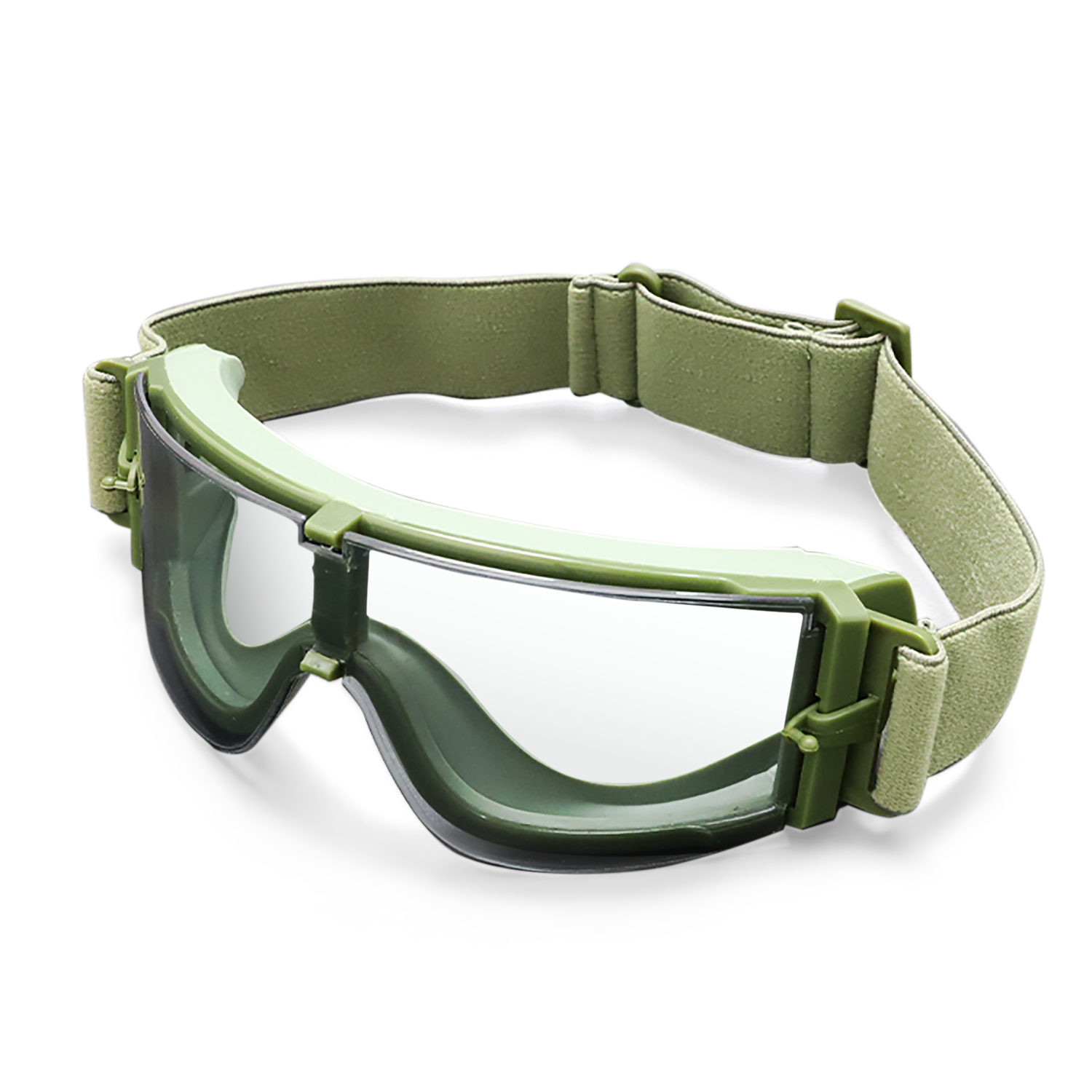
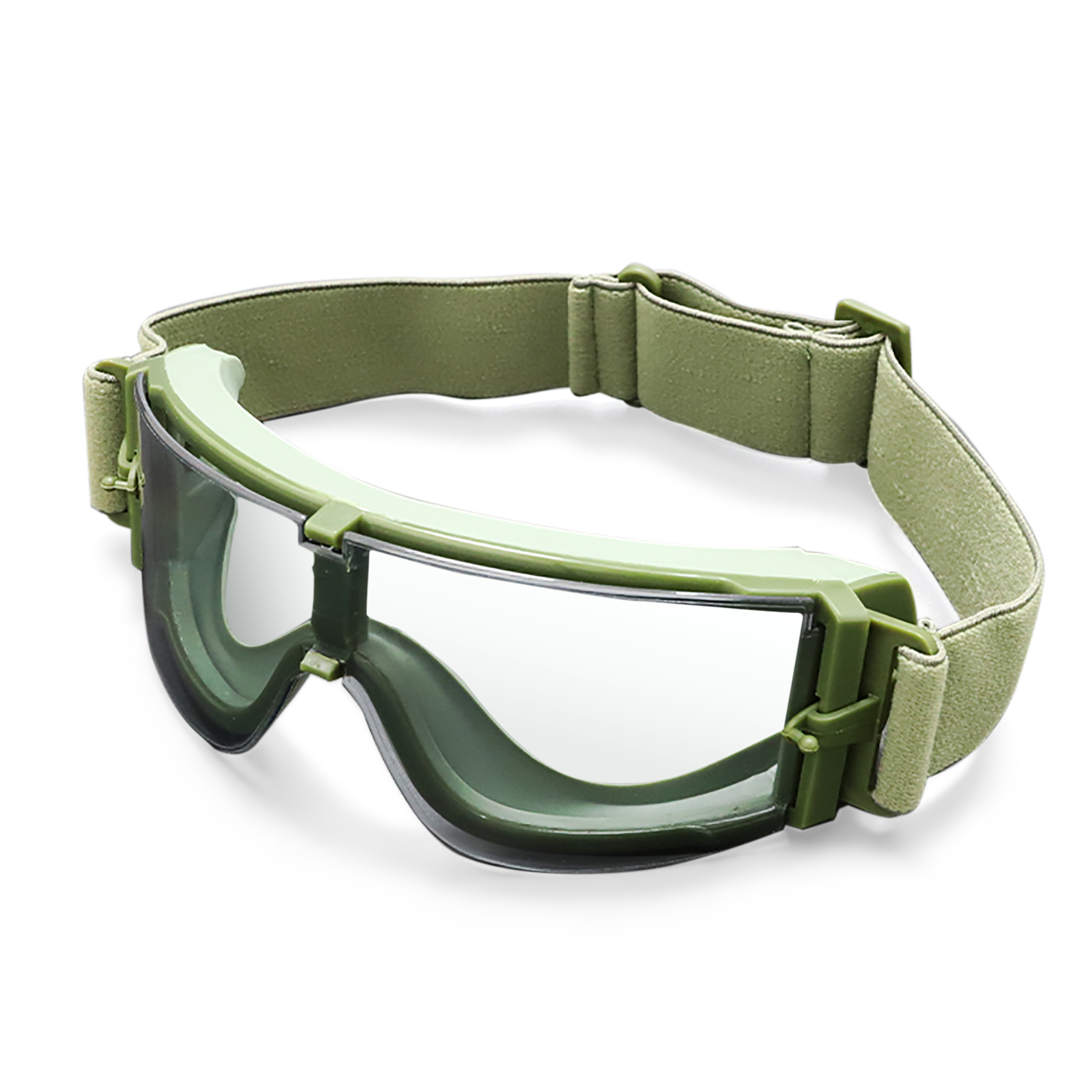
Buyers for defence units and integrators face a tangle: tariff schedules, export controls and supply chains all touch a single pair of goggles. A clear, repeatable framework helps teams make decisions that stand up under scrutiny. Start with products like anti-fog tactical goggles and you quickly see why—small design choices (anti-fog coating, lens material) change classification, testing and transport needs. This article sets out a stepwise framework to classify, move, and verify high-performance optics without surprises.
Step 1 — Product classification and compliance checklist
First, pin down the product identity. Use Harmonized System (HS) codes to align customs paperwork and check whether protective eyewear falls under general spectacles or defence articles. Add mil-spec requirements and ballistic rating needs to that picture: these dictate testing protocols and certificates. Also flag export controls early—some countries treat ballistic-capable optics under stricter regimes such as national export licensing. The real-world anchor here is simple: customs everywhere use HS codes as the primary language; getting the code wrong causes the usual consequences—delays, penalties, returned consignments.
Step 2 — Logistics mapping: routing, packaging and lead times
Once classification is steady, map logistics. Choose routes with known customs competence for defence goods, and pick freight handlers experienced in bonded shipments. Consider packaging that preserves impact resistance and anti-fog treatments; humidity and thermal stress in transit can ruin optics. Estimate realistic lead times—certified ballistic tests and customs inspections often add weeks. Use staged delivery: initial test samples via air freight, then sea containers for serial shipments to balance cost and speed.
Step 3 — Supplier vetting and quality assurance
Vetting must look beyond price. Require supplier test reports for impact resistance, material datasheets (polycarbonate or laminated glass) and documented anti-fog processes. Arrange independent ballistic testing on samples before production ramps up. Where possible, visit the factory or use a trusted third-party inspection—military procurement rarely forgives assumptions. For examples of established product types in this space, see Ballistic Glasses that combine laminated lenses with anti-scratch treatments; they offer a benchmark for acceptable performance.
Common mistakes that cause cost and time overruns
Buying teams often repeat the same errors:
– Misclassifying goods under the wrong HS code, which changes duty and delays customs.
– Ignoring export licensing until the order is paid, which can block shipments for months.
– Overlooking packaging and sensor-based damage during sea transit; optics need protection against pressure changes and abrasion.
Mitigations are straightforward: confirm HS code with customs or a broker, obtain provisional export advice before contracting, and require protective packaging specs in purchase orders—this saves money more often than not.
Contract clauses and commercial levers that work
Include clear acceptance criteria tied to ballistic test results and anti-fog performance. Use staggered payments: deposit, prototype approval, and final shipment release tied to certificate submission. Insist on Incoterm clarity so responsibility for customs clearance and duties is known. Finally, build in remedies for non-conforming batches—credit notes or replacement runs rather than vague warranties.
Three golden rules for selecting vendors and routes
1) Compliance score: insist on a documented compliance pack (HS code, export control opinion, test certificates). Treat it as a pass/fail gate.
2) Landed-cost accuracy: require full landed-cost modeling from suppliers, including likely tariffs and customs agent fees—expect variance, but not surprises.
3) Verification rate: set a target percentage of batches that must pass third-party ballistic and anti-fog tests before payment milestone release.
These metrics focus procurement on tangible checks and measurable outcomes rather than vague promises.
Finally, tie these rules to a trusted supply partner—someone who knows both the product and the paperwork. For many buyers, that practical reliability is the main value of a supplier like YIJIA Optical, which combines manufacturing know-how with export and customs experience. —