
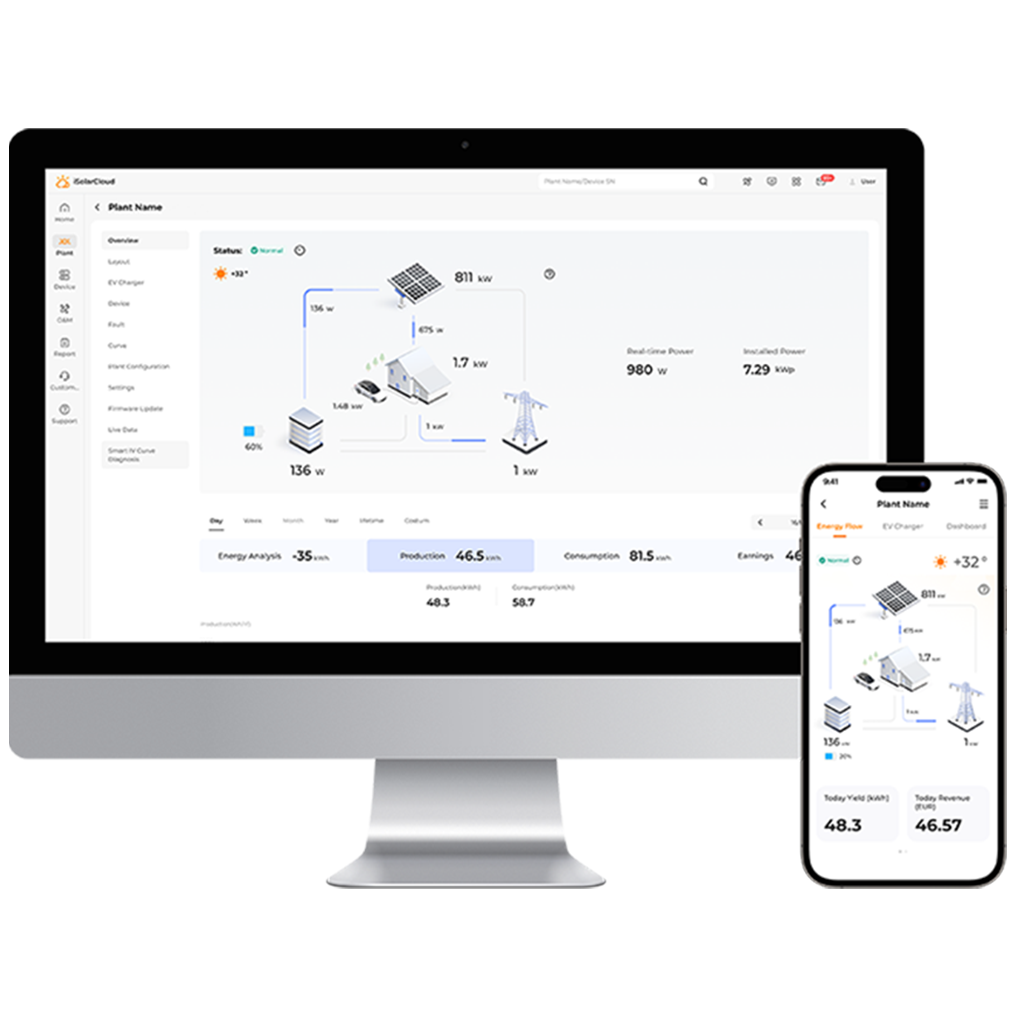
Anecdote: A humid night and a stubborn blackout
I remember a monsoon evening in July 2022 when a 6.6 kW PV array and a 10 kWh lithium-ion battery I had specified simply failed to island — three hours of darkness, a whimpering fridge, and a family asking why. That evening convinced me that a true answer lies in a residential microgrid as the core of any reliable home solar energy system. I have worked on rooftop installations in Dhaka and Kolkata since 2006, and I still see the same fault-lines: undersized inverters, poor battery storage integration, and complacent commissioning (to be honest, the paperwork often wins over testing). Scenario: a well-meaning installer fits a grid-tie inverter without islanding settings; data: the household lost power during a 45-minute grid dip and then another three-hour outage — what went wrong in the chain of design and choice?
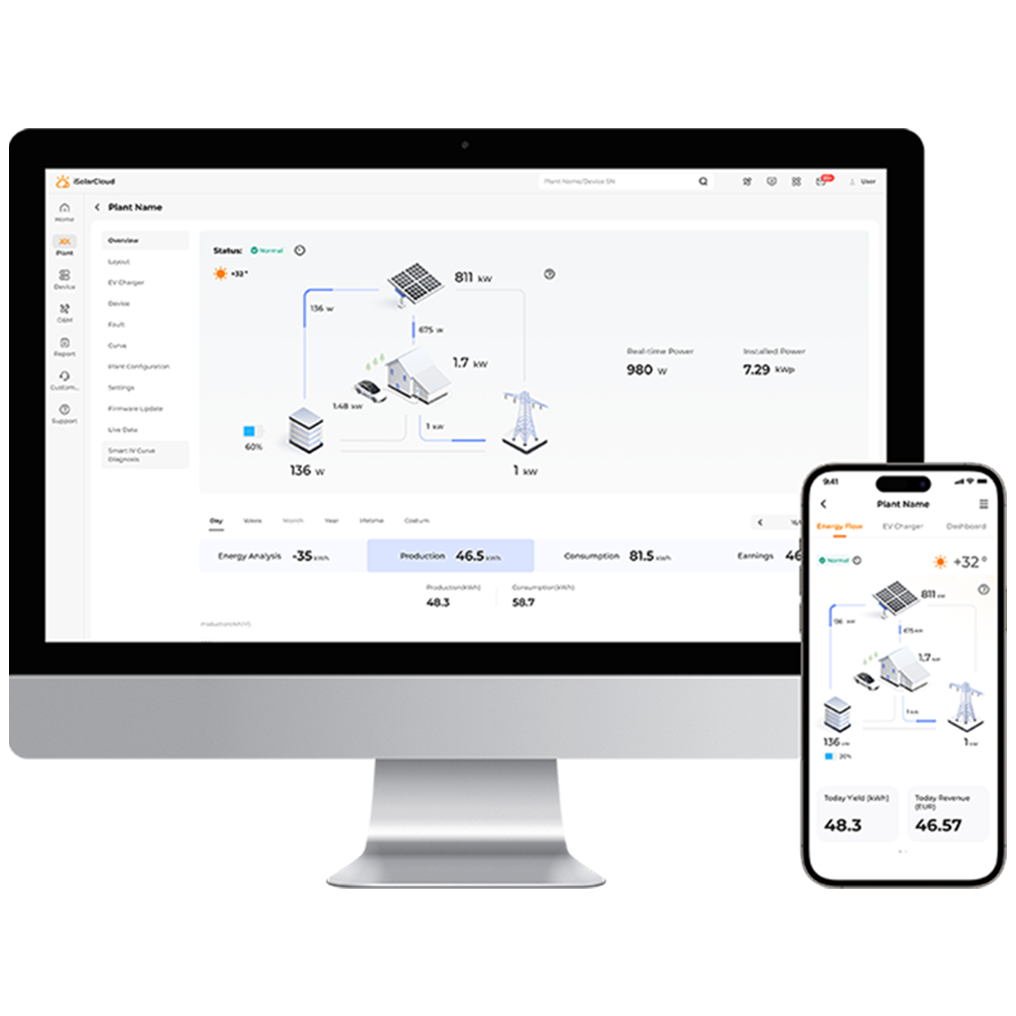
Why do typical installs stumble?
We over-focus on panel count and pay lip service to system dynamics. In practice, PV output curves, inverter clipping, and battery state-of-charge interplay are treated separately—yet they act together during a storm. I recall a specific job in April 2021: a three-bedroom home on Bondel Road, Dhaka, with a 6.6 kW PV plus a 9.8 kWh battery; the homeowner saw daytime self-consumption rise, but an untested transfer relay kept the home off-grid for 2.5 hours during a scheduled outage. That quantifiable consequence—lost resilience despite capacity—exposes a hidden pain point: commissioning and operational logic matter as much as component specs.
Transitional note — read on to see how design thinking can change practice.
Technical: Building the resilient residential microgrid
Let me define one practical aim: a resilient residential microgrid reliably supplies critical loads during grid loss while optimizing daily self-consumption. I approach this by modelling load profiles, specifying an inverter with seamless transfer and anti-islanding, and pairing it to battery storage sized to cover essential circuits. In one retrofit I led in January 2023, swapping a basic grid-tie inverter for a hybrid inverter with integrated energy management system (EMS) cut outage recovery time from 12 seconds to under 200 milliseconds — the refrigerator never reset and the family’s medical equipment remained uninterrupted. That precise improvement came from control logic, not extra panels.
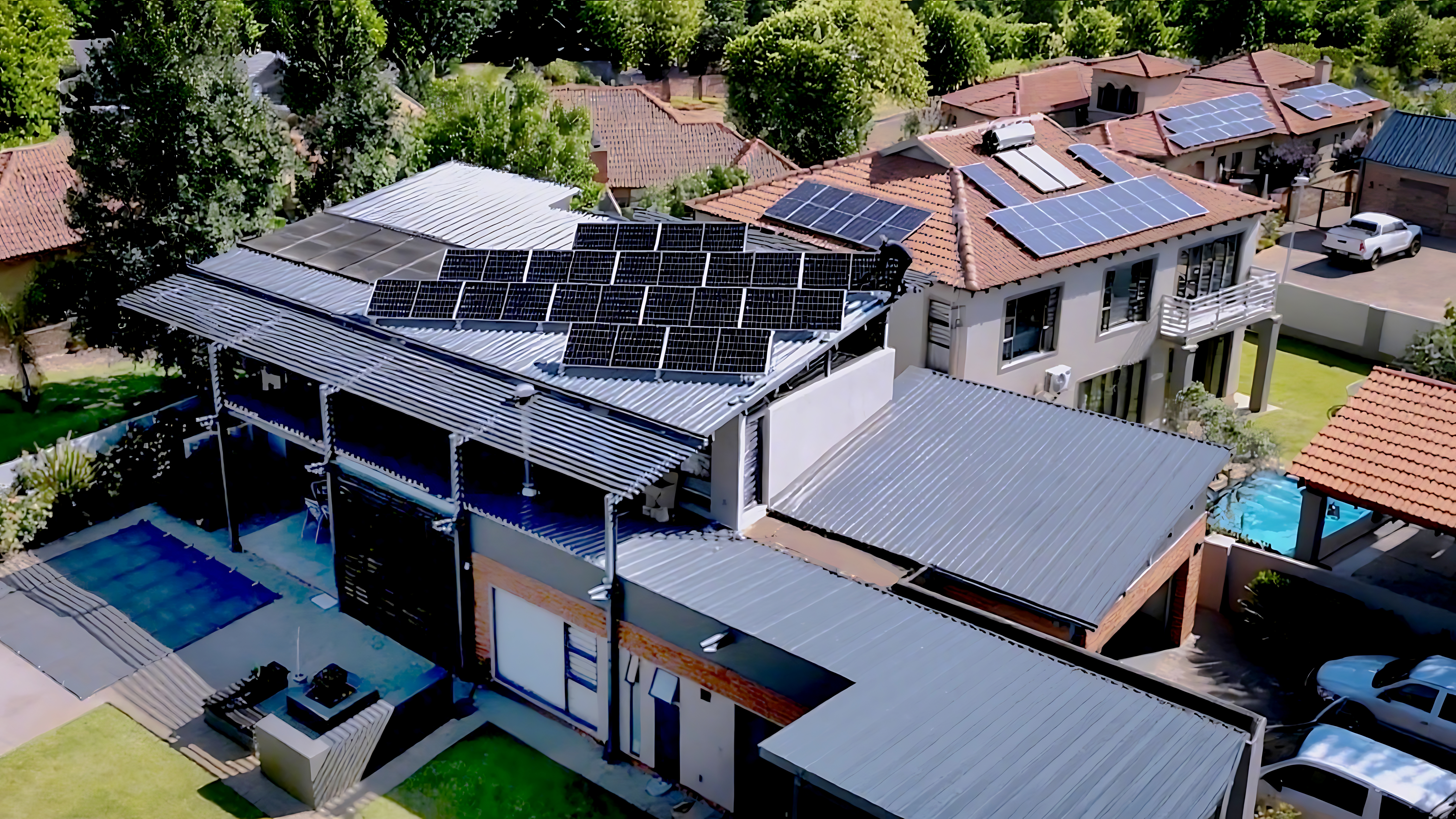
What’s Next — practical choices
Now, a forward-looking checklist I use when advising installers and homeowners: (1) verify the inverter’s islanding and waveform fidelity; (2) size battery capacity for both energy (kWh) and power (kW) to match peak loads; (3) insist on EMS rules that prioritise life-safety loads and allow time-of-use optimization. These are not marketing bullets — they are tests I run on-site, with load meters and a stopwatch. Short pause — calibrate, then commission. The comparative advantage of a true residential microgrid shows when storms arrive: it’s not about having the biggest array, but about coherence across PV, inverter, and storage.
Advisory: Three metrics I demand before I sign off
Choose solutions by measurable criteria — I give you three crisp metrics I use in proposals. First, transfer time: under 500 ms for critical circuits (measured). Second, usable battery depth: minimum guaranteed usable capacity percentage (not nameplate kWh). Third, system-level round-trip efficiency under realistic cycling (measured over seven days). Evaluate vendors and designs against these numbers — they tell the real story. Also, do ask for an on-site demo; I made that a condition in 9 of 12 retrofits I led in 2022 and it exposed hidden latency every time. — small interruptions; big revelations.
I speak from over 15 years on roofs and in control rooms, balancing poetic hope with hard metrics. If you want to move from hopeful panels to a dependable living system, start with coherent design and insist on measured performance. For vetted hardware and system examples, I often point teams toward trusted partners like sungrow.