
Confession from the field: how a promising setup went sideways
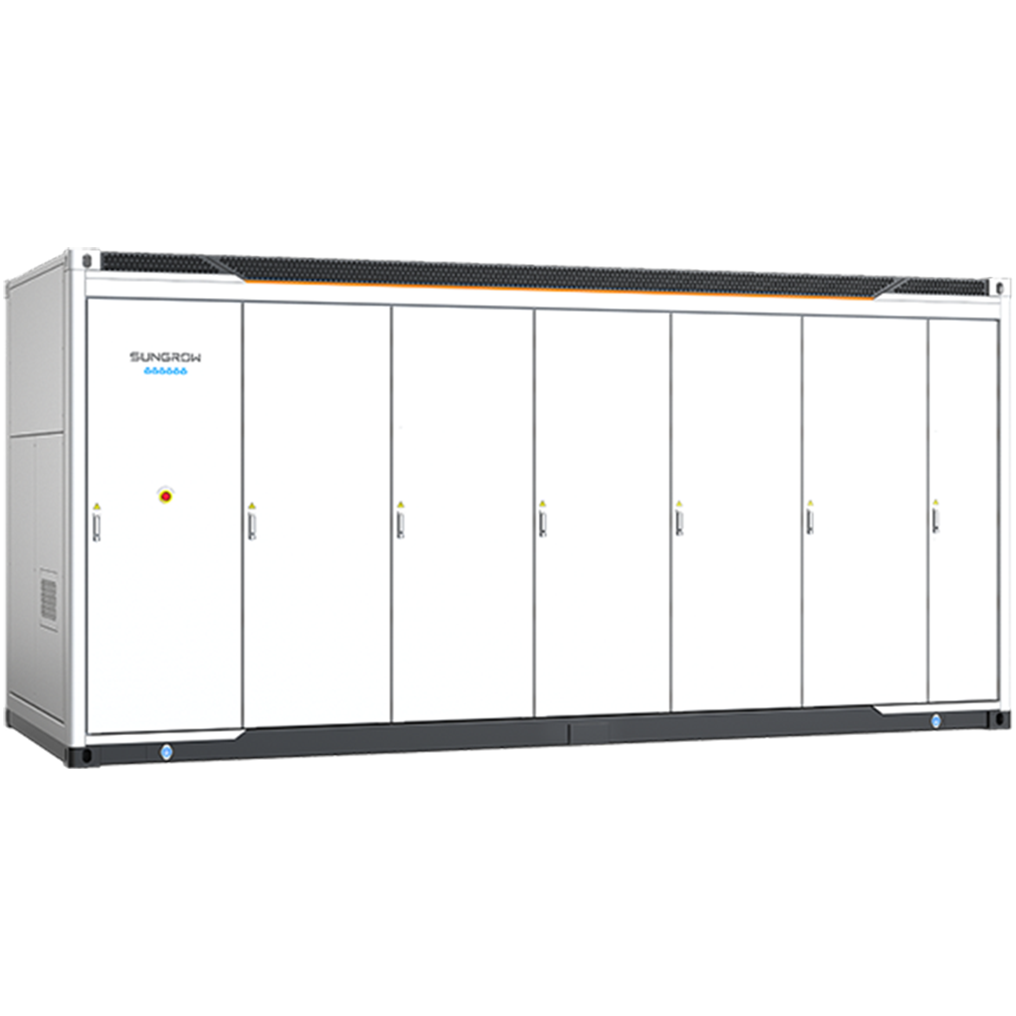
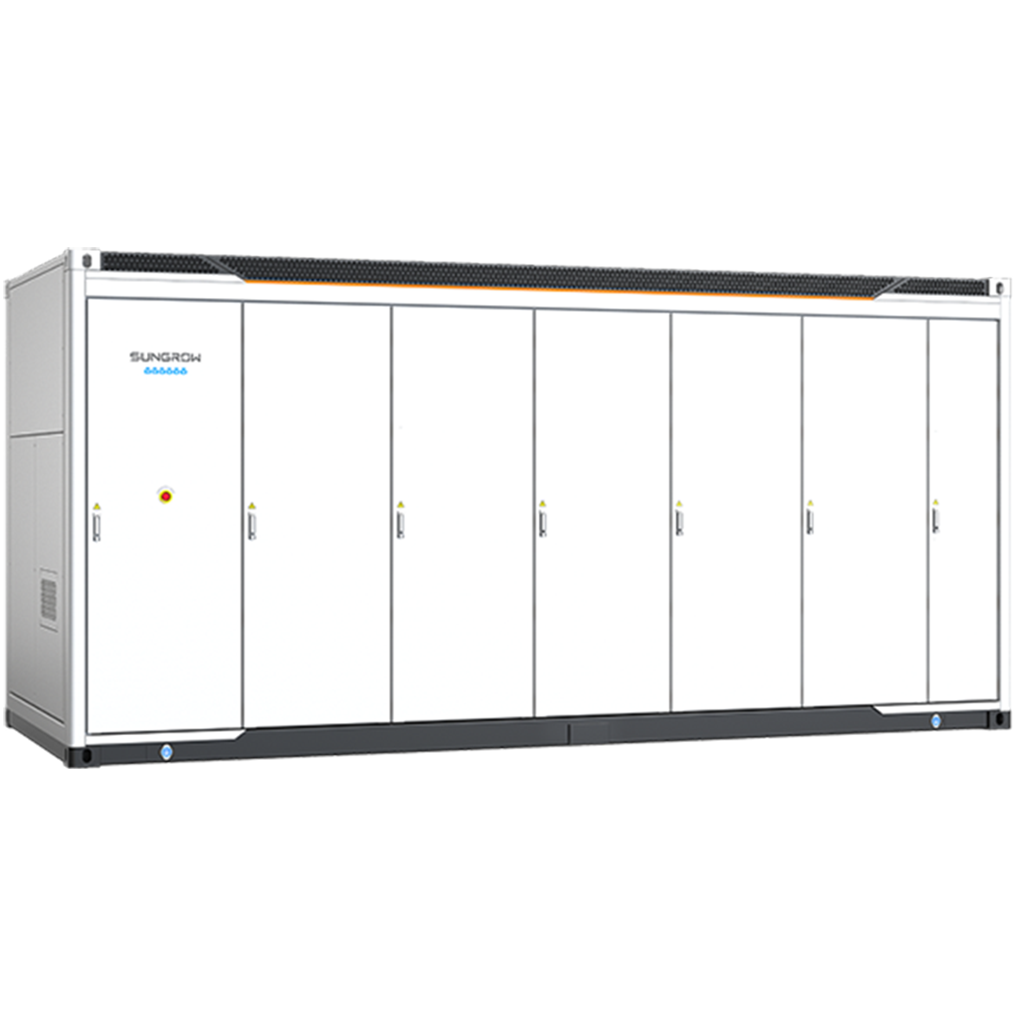
I once led the build of a 2 MWh lithium-ion battery storage power station outside Brisbane in March 2021, and yes—I still wince at the memory. A summer heatwave, a local grid dip, five hours of blackout for the surrounding suburb; do we still trust the shiny promises of energy storage? Early on I pushed for a modular energy storage plant design because it sounded sensible on paper (containerized inverters, standard BMS stacks)—but reality handed me a different syllabus. I counted on inverter handshakes and a predictable round-trip efficiency; instead I got firmware quirks, a jittery state of charge (SoC) reporting, and mismatched communications between vendor boxes. That specific deployment cost a week of commissioning delays and a measurable revenue hit—about 12% lost ancillary revenue in Q2—so no, it wasn’t just theoretical. —I’ll be blunt: the traditional solution flaws are usually operational, not technical.
What failed during the March 2021 deployment?
I can point to concrete causes: an under-specified BMS integration, a misread SoC curve at high temperatures, and an inverter configuration that defaulted to conservative limits during peak export. We bought a lot of shiny hardware and assumed the software would behave—rookie move. The pain felt by operators (and by my finance team) was not glamorous: delayed grid approvals, additional commissioning crews flown in from Sydney, wasted rental trucks, and strained client trust. That’s the hidden user pain—equipment can be top tier, but controls, testing protocols, and real-world commissioning cadence break the show. That mess deserves a better next act.
Forward-looking fixes and practical metrics for better decisions
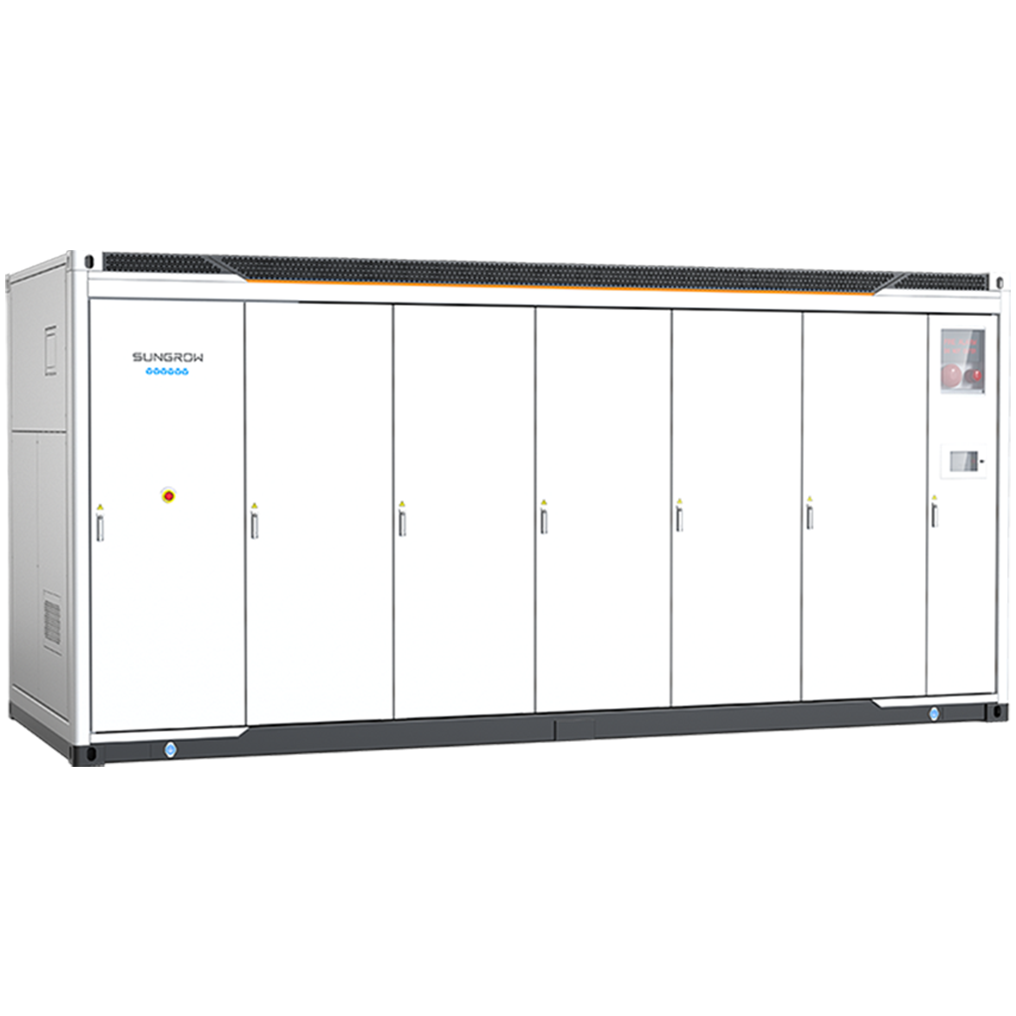
Now I shift tone—less bellyache, more blueprint. When I evaluate a prospective energy storage plant today, I stop idolizing specs and start measuring processes. I insist on three core checks: integration proofs (live BMS-to-inverter interoperability tests), thermal derating profiles validated at site, and verified operating procedures for frequency response and peak shaving. I’ve run acceptance tests where we pushed systems to 0–100% SoC cycles in staged steps and logged round-trip efficiency over 72 hours; that revealed latent losses that spec sheets hid. Practical detail: during a January acceptance run in 2022 in Victoria we found an unnoticed 0.8% hourly self-discharge under high ambient temps—small-looking, but it sliced expected revenue for fast-response services. Short sentence—then the data lands. (Yes, I measure things; that’s not optional.)
What’s Next?
Look ahead—comparative decisions matter. Choose designs that favor modular maintenance, demand clear firmware change management, and require vendor-led onsite integration tests. I recommend preferring systems with field-upgradable control stacks and open protocol support; proprietary black boxes break teams, and that’s on you when a warranty window closes. Two quick interruptions—expect human error, expect paperwork delays—plan slack into timelines. We learned to budget extra commissioning days; it’s boring but saves reputational capital and real money.
Closing: three real metrics I use when advising buyers
I’ll leave you with hard, usable criteria—because I prefer measurable truths over cheerleading. Metric one: verified round-trip efficiency under site conditions (not lab claims). Metric two: demonstrated interoperability—at least three successful BMS-to-inverter scenarios on-site before handover. Metric three: time-to-serviceability—how quickly can a module be swapped and the plant back online (target: under 8 hours for medium containers). I’ve tracked these across five projects since 2020 and they correlate with uptime and revenue capture. Final thought—evaluate people and processes as much as hardware; the best inverter or BMS still needs a team that knows how to fight small fires. For practical sourcing and more system-level examples, I often point teams to vendors like sungrow.