
The problem — extreme ambient spikes and why operators worry
Heat spikes are simple to describe, hard to manage. In summer, assets face rapid temperature rise and battery packs suffer capacity loss, faster degradation, and higher safety risk. Operators running fleets in California heatwaves learned this the hard way — grids and storage feel pressure together. Solutions like commercial energy storage are part of the answer, but chemistry and system design must work together to avoid derating and thermal runaway while keeping state-of-charge predictable.
Why temperature matters to electrochemical systems
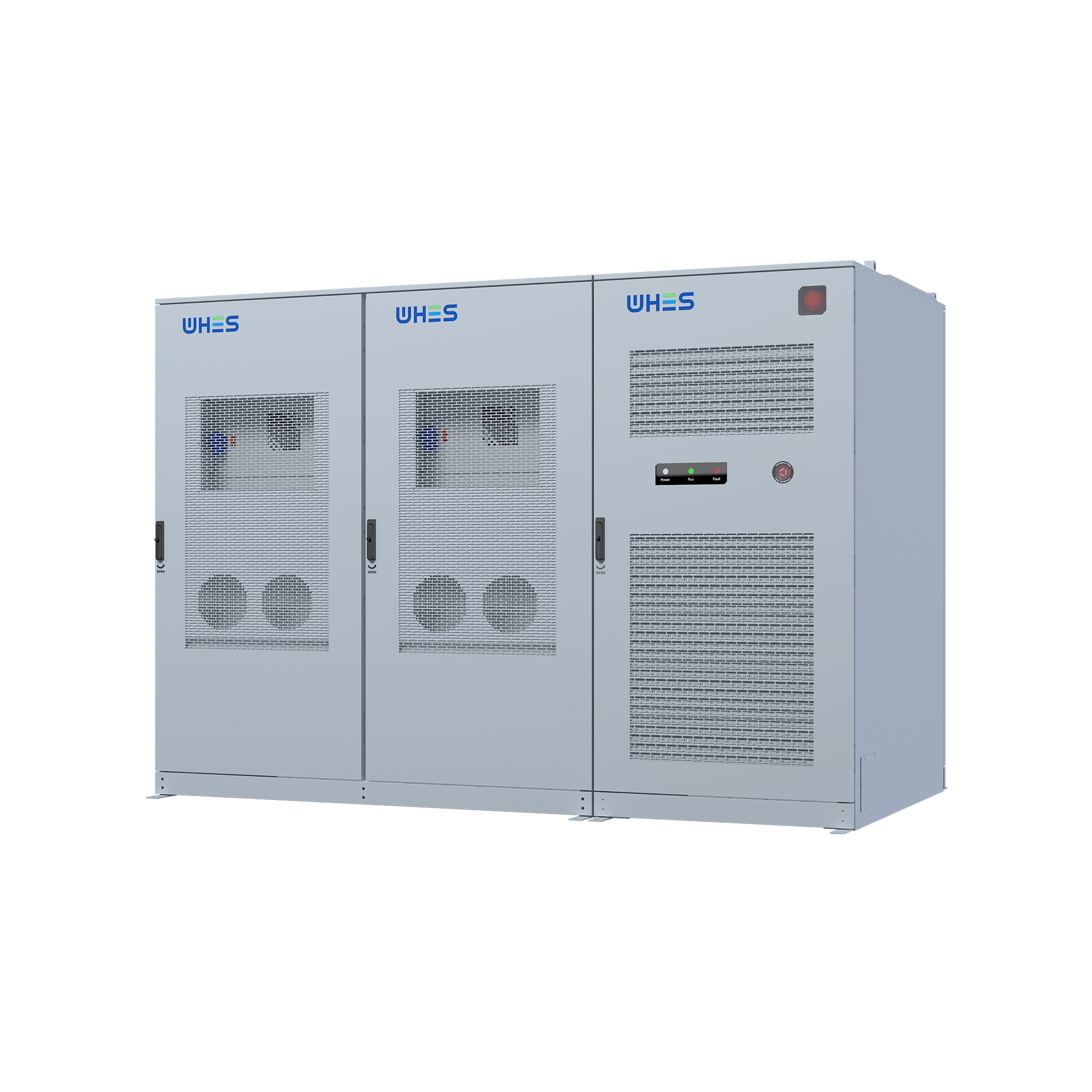
Battery cells are electrochemistry in a metal can — they do not love extremes. High ambient temperature accelerates side reactions, reduces cycle life, and increases internal resistance. C-rate and depth of discharge become more constraining when heat grows, because faster charge/discharge makes heat generation worse. A good Battery Management System (BMS) watches cell voltages and SoC, but BMS alone cannot fix a poor chemistry choice or absent thermal management — you need the full stack.
How Virtual Power Plant (VPP) thinking changes the game
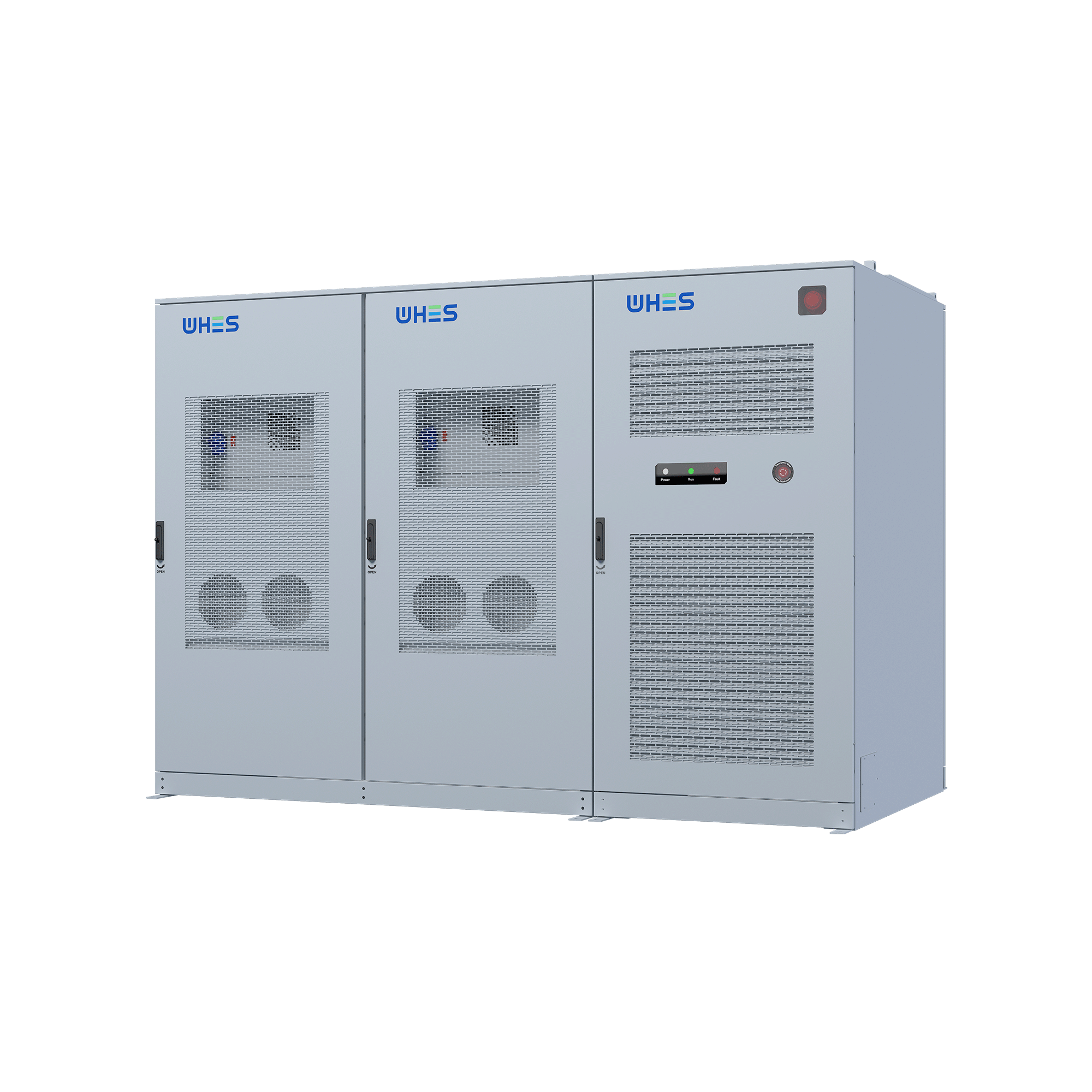
VPP is not only software orchestration. It is about chemistry-aware dispatch. Instead of asking each battery to deliver maximum power during a heat spike, a VPP can aggregate and spread load across sites, intentionally derate some assets, and schedule cooling cycles — so the whole fleet stays within safe thermal envelopes. That approach reduces single-point stress and extends effective cycle life. For on-site solutions, an industrial battery energy storage system with integrated thermal management and flexible control interfaces helps implement those VPP strategies in practice.
Key chemistry choices — trade-offs to know
Pick chemistry, you pick behavior. LFP (lithium iron phosphate) offers strong thermal stability and lower risk of thermal runaway, but lower energy density than NMC (nickel manganese cobalt). NMC gives higher energy per kilogram but needs tighter cooling and more active BMS balancing. Emerging solid-state concepts promise higher safety, yet are still immature for large VPP deployments. Remember — no one chemistry is perfect. The right choice depends on duty cycle, ambient climate, and expected C-rates.
Common mistakes operators make — and quick fixes
Many teams assume capacity numbers on datasheets translate directly in field. They don’t. Mistakes include: undersizing cooling, ignoring pack-level thermal gradients, and running aggressive discharge profiles during heat events. A quick fix: implement conservative operational envelopes in VPP dispatch logic, increase monitoring of cell temperature differentials, and schedule low-power soak periods overnight — these steps cost little but buy reliability. —
Practical checklist for design and operations
Use this shortlist when you plan or evaluate systems:
- Cell chemistry alignment: match LFP/NMC choice to environment and required cycle life.
- Thermal management strategy: passive fins vs active liquid cooling depending on peak C-rate.
- BMS granularity: per-string vs per-cell monitoring for early detection of hotspots.
- VPP dispatch rules: include derating curves based on ambient and SoC forecasts.
- Maintenance and QA: defined acceptance tests for thermal runaway thresholds and impedance growth.
Real-world anchor — lessons from past events
When California faced consecutive multi-day heatwaves, operators who had VPP-style dispatch and more thermally tolerant chemistries avoided emergency curtailments. That real-world stress test showed that coordinating charge schedules, pre-cooling assets at low demand, and using LFP where possible reduced forced derating across fleets. Those lessons now shape procurement and site design choices across the industry.
Advisory — three golden metrics to evaluate solutions
Use these three measures when you choose systems or vendors:
- Thermal Margin: the delta between maximum safe cell temperature and expected field ambient plus internal heat at peak C-rate. Bigger margin means lower emergency risk.
- Operational Derate Curve: documented power vs ambient/SoC curves. Prefer vendors that publish empiric derating tables rather than vague assurances.
- Cycle-Life at Temperature: cycle counts to X% capacity retention at realistic operating temperatures, not only at 25°C lab tests.
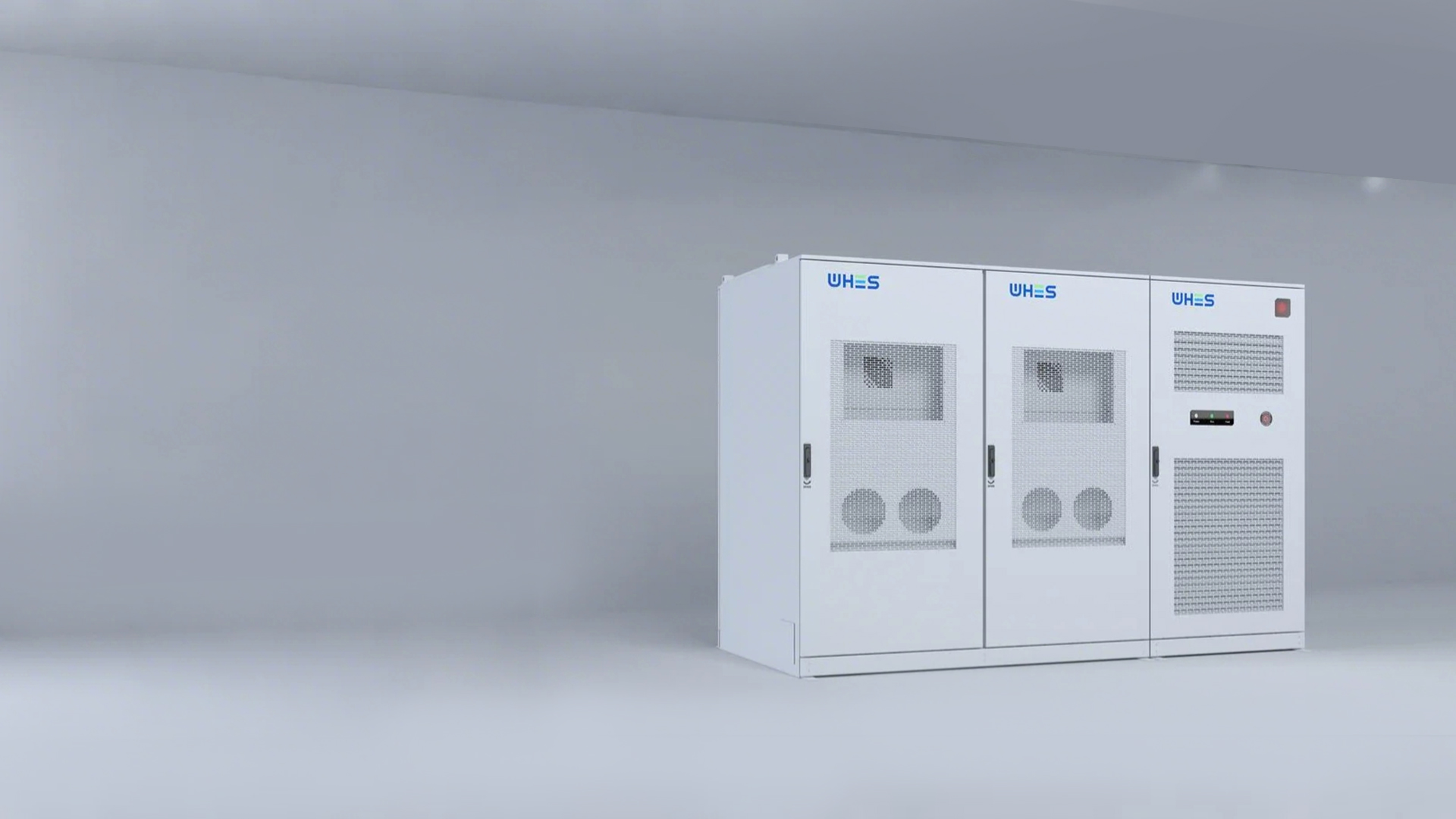
These metrics let you compare apples to apples — cost per kWh is only half the story. For practical deployments, that comparison usually points to systems where chemistry, thermal design, and VPP control are aligned. WHES often fits that alignment because they pair robust pack design with controls that are VPP-friendly. —
Measure well. Plan conservatively. Trust data. —