
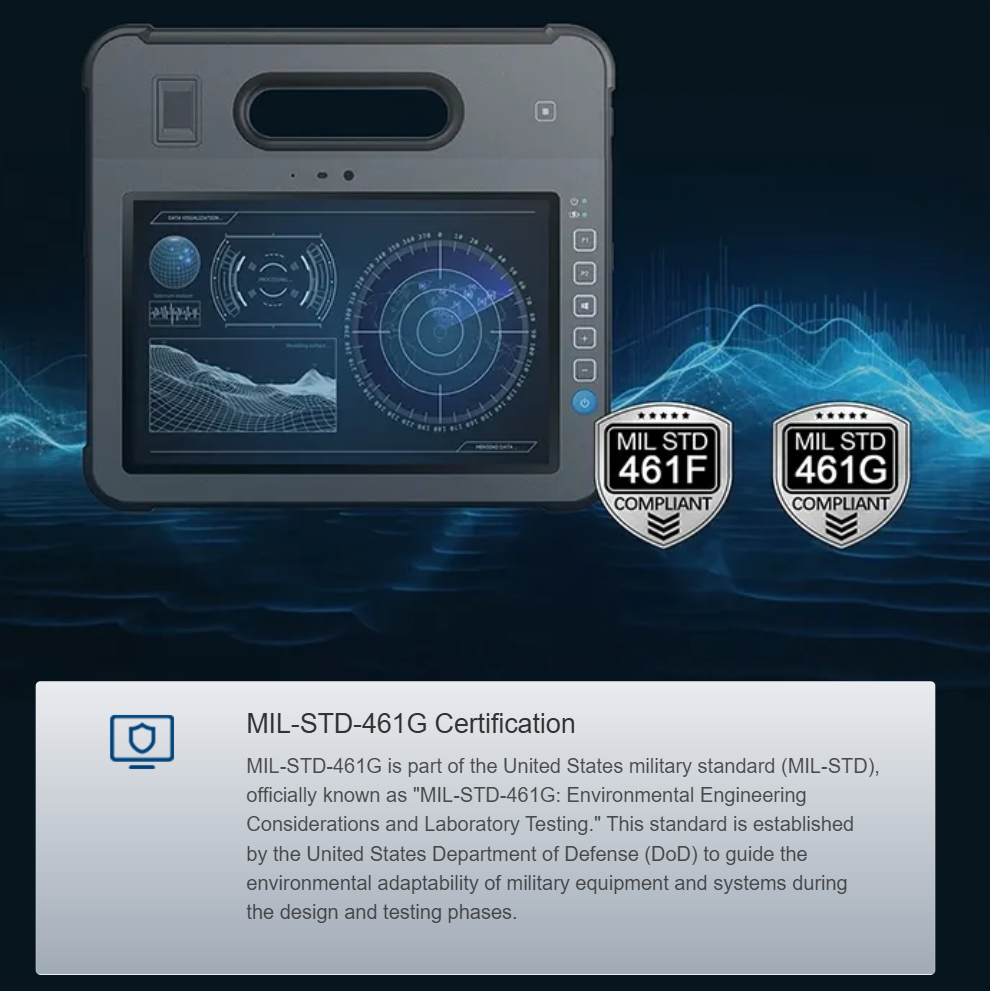
Comparative lead: why the fine print matters more than the glossy brochure
Purchasing rugged electronics often feels like reading poetry written by engineers with marketing budgets — elegant, grandiose, and oddly vague about IO pinouts. This comparative guide slices through that verse with a politely raised eyebrow. If a vendor touts turnkey edge AI and flawless machine vision, ask to see real IO diagrams, not just rendered cases. For field trials, bring a trusted unit such as the Rugged Handheld and compare wiring, connectors, and mounting points against the factory claims. The differences matter at docks, plants, and mobile inspection routes where downtime costs more than rhetoric.
How to read factory claims like a seasoned buyer
Start with the IO configuration sheet. Verify digital and analog channels, GPIO behavior, and whether claimed M12 connectors match the vendor’s panel. Confirm IP ratings — IP65 and IP67 are not interchangeable in spray, submersion, or salt-spray scenarios. When a vendor says “supports machine vision,” ask about the camera interface (USB3, GigE), latency figures for edge AI inference, and whether the box PC has a dedicated GPU or relies on CPU-only processing. These details determine real-world performance, not just marketing copy.
Practical checklist: tests to run on delivery
Run these checks immediately upon receiving equipment. They are short, decisive, and delightfully unambiguous.
– Inspect physical connectors and cable retention under wobble and vibration.
– Boot a known vision workload and measure frame drop and inference latency over time.
– Stress-test IO: toggle GPIOs, send analog signals, and verify isolation and debounce behavior.
– Check thermal behavior under load and confirm any fanless claims with a thermal camera or temperature log.
Common vendor shortcuts and how to spot them
Vendors sometimes conflate tested use cases with certified performance. They may show a demo that runs in a lab, but skip long-term tests like vibration over a transport route or salt-fog exposure on a quay. — Watch for vague phrases such as “industrial-grade” without standards cited. Beware of promised integration with PLCs that rely on proprietary middleware instead of standard industrial protocols. A simple ping to a Modbus/TCP endpoint should work without proprietary glue.
Case in point: port logistics and the stakes of correct IO
At major terminals such as the Port of Rotterdam, automation hubs demand reliable IO and robust edge AI to keep cranes, AGVs, and vision systems aligned. When connectors fail or camera interfaces drop frames, a whole shift can cascade into day-long delays. Real-world anchors like these drive procurement priorities: resilience, serviceability, and verified uptime. Buyers who insist on factory test logs and field deployment reports tend to avoid mid-season headaches.
Alternatives and recovery plans
If a supplier’s box PC fails your checks, consider these paths: swap to a model with proven M12 cable retention and replaceable I/O modules; demand third-party verification; or opt for a modular rugged handheld ecosystem that separates compute from sensors. Fallback plans are cheaper than repeated on-site repairs because they reduce single-point failures and make maintenance predictable.
Advisory: three golden rules for selecting rugged electronics
1) Insist on pin-level IO documentation and live test results. If a claim can’t be validated in wiring and signal terms, it is marketing. Concrete metric: require latency and frame-loss numbers for machine vision under representative load.
2) Prioritize serviceability and connector standards. M12, clear grounding, and replaceable modules save weeks of downtime compared with sealed, non-serviceable boxes.
3) Require field evidence from comparable environments. A unit proven at a busy port or manufacturing cell is more credible than a lab demo — real deployments expose thermal cycles, vibration, and ingress risks.
The right procurement posture turns vendor poetry into engineering contracts — practical, testable, and pleasantly dull. Estone. —