
The Problem: Wear, Fatigue, and Hidden Costs
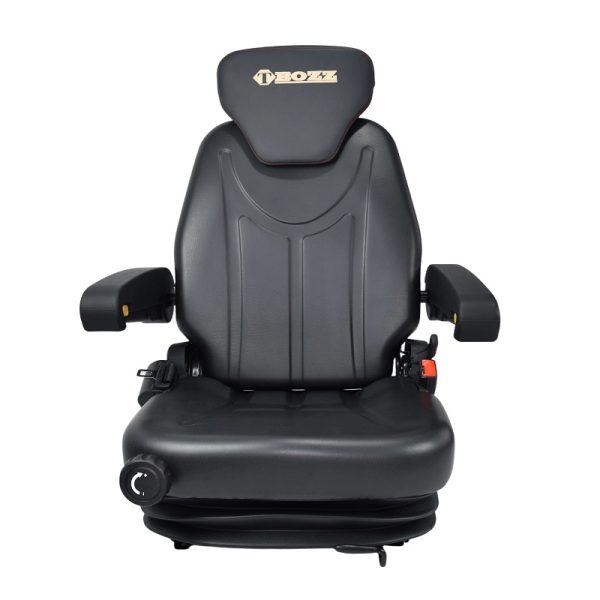
The machines do the work, but the seats decide how long the operators last. In fields that bite—dry plains like those haunted by the Dust Bowl of the 1930s—the difference between a shift that ends and a shift that breaks comes down to comfort, isolation, and simple durability. An agriculture seat that fails after a season multiplies downtime, increases maintenance, and accelerates operator fatigue. These are not abstract expenses; they are the slow bleed in labor hours and replacement parts.
Key Factors That Reveal the True Cost
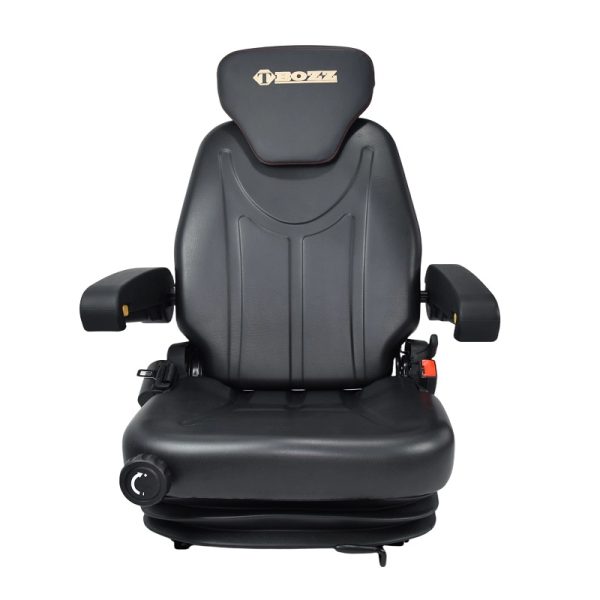
Start with suspension and shock absorption. A poor suspension transmits every rut to the spine. Then check lumbar support and adjustability—operators vary as much as terrain does, and one-size seats create chronic pain. Finally, assess materials for UV and chemical resistance so covers survive fertilizer and sun. Prioritize isolation from vibration; good isolation reduces long-term musculoskeletal strain. These choices shape real operating time, not marketing claims.
Common Mistakes Fleet Managers Make
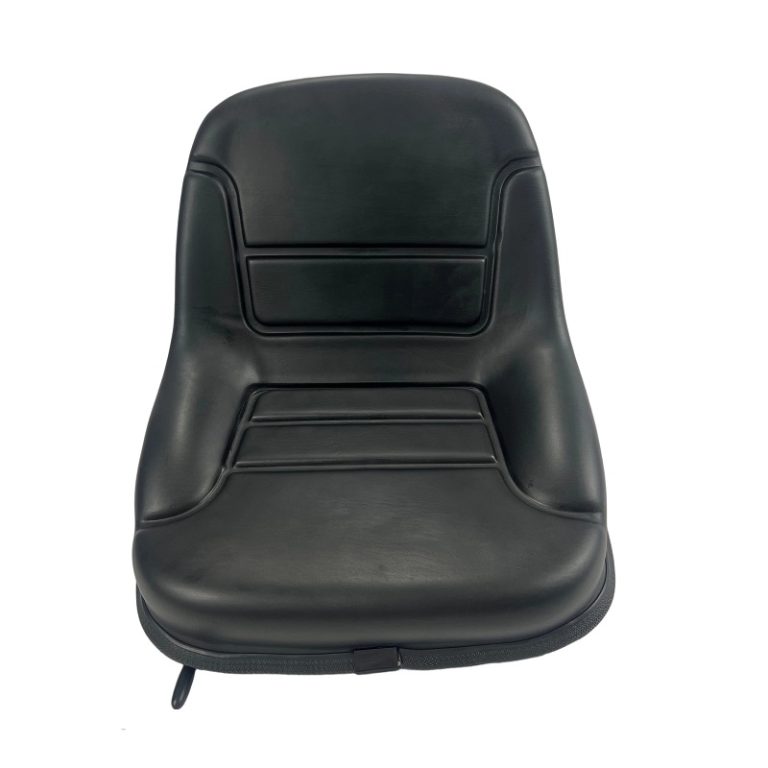
Managers often chase price and ignore fit. They buy heavy, cushioned chairs that look plush but lack proper support—cheap foam compresses in months and invites posture collapse. They skip field trials. They accept vendor specs without measuring seat travel or mount compatibility. This produces a cycle: new seat, quick failure, replacement. A small pilot program with varied operators would catch these issues early—save money and preserve worker health.
Comparing Configurations: Practical Trade-offs
There are trade-offs on every spec sheet. Air suspension buys adjustable comfort but demands maintenance and filters. Mechanical spring seats are simpler and robust, yet they can transmit more vibration if not tuned. Narrow seats fit compact cabs but punish larger operators. Consider layout and cab width, and match seat suspension stroke to your machine’s horsepower and typical ground speed. For fleets that mix tractors and harvesters, standardizing mounting brackets reduces swap time and lowers spare-parts inventory.
Alternatives and When to Choose Them
At times, a high-grade OEM seat is sensible. Other times, retrofitted aftermarket modules bring superior isolation. For older tractors where cab replacement isn’t possible, modular inserts that improve lumbar support are a cost-effective stopgap. Evaluate how much downtime replacement costs compared to the price premium for a longer-lasting unit. Many fleets find that investing slightly more per seat halves replacement frequency over three seasons.
How to Evaluate Seats in the Field
Bring these practical checks into every trial:- Measure seat travel and verify the suspension stroke matches expected terrain.- Use a three-hour ride test with multiple operators to check pressure points and adjustability.- Inspect mounting hardware and serviceability—can foam and covers be replaced without major disassembly?A short laboratory spec means little if the seat fails under a long day of stony tracks.
Real Risks, Real Anchors
History shows harsh conditions. The Dust Bowl taught that equipment must endure dirt, abrasion, and relentless hours. Modern fleets face different threats but the same lesson applies: neglect the human-machine interface and productivity crumbles. Attention to seat isolation and lumbar support pays off in reduced sick days and steadier shifts—measurable benefits over a planting season.
Advisory: Three Golden Rules for Fleet Seating
1) Match suspension to duty cycle. Choose air or advanced mechanical suspension when high-speed transit over rough ground is routine; pick simpler, heavier-duty suspension for low-speed, high-load tasks. 2) Validate adjustability with real operators. Ensure seat height, fore-aft travel, and lumbar support accommodate the full operator roster—fit matters more than foam density. 3) Standardize mounts and spare parts. A single mounting footprint and a stocked set of replacement covers and cushions cut downtime dramatically.These rules lead to measurable drops in replacement frequency and operator complaints—expect fewer service calls and steadier field hours.
Summary: when the field pushes machines to their limits, seat selection is not cosmetic — it’s core maintenance and human protection. Choose components that withstand vibration, prioritize lumbar support, and test with real operators. For fleets seeking practical, field-proven options, seats for tractors that balance suspension and serviceability deliver the best return. Source One understands these trade-offs and aligns parts, mounts, and service so your machines—and the people who run them—keep going. Last word: practical durability wins every season.