
Introduction
I remember walking into a small Cebu factory where a single breakdown shut down an entire shift—workers stood idle, and the client call queue grew longer. In many Philippine plants, shifting to automated wet wipe machinery can boost throughput and consistency (manufacturers often report 20–40% gains), but those numbers hide everyday headaches. So, what exactly breaks down when teams try to scale up? How do you avoid swapping one set of problems for another?
I ask these because I’ve seen hopeful investments stall—parts backlog, poor training, and unclear specs. This piece will walk you through the practical faults I keep seeing, and then point to new principles that actually help, not just sound good on paper. Let’s dig into the real issues next.
Hidden Problems in Traditional Lines
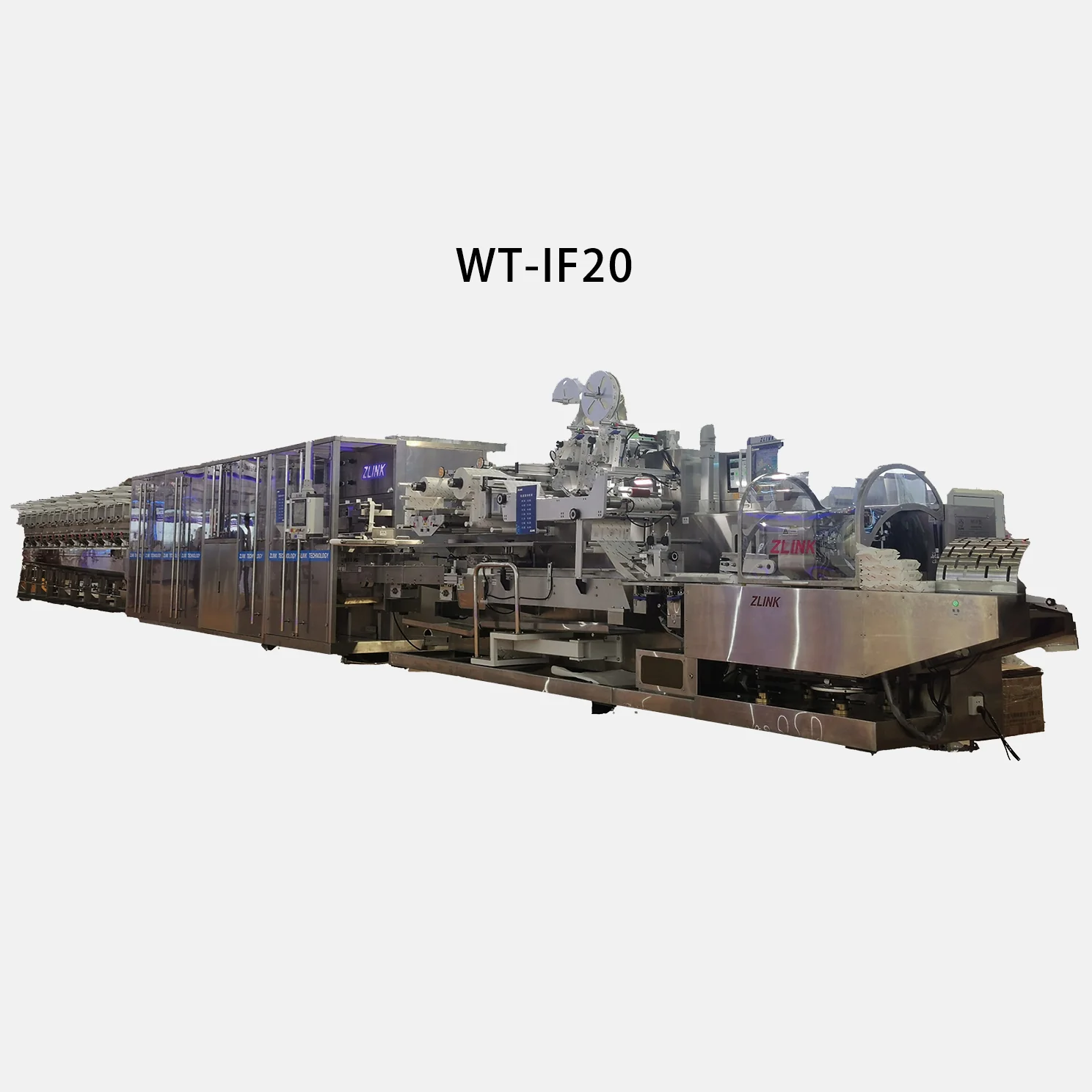
custom baby wipe production line projects often begin with a rush: buy a machine, plug it in, expect results. But in my experience that rush masks two layers of trouble. First, the mechanical mismatches—older rewinders and slitting assemblies don’t pair well with modern spunlace nonwoven grades. Second, control gaps—basic PLC programs get overwhelmed when you add servo motor-driven drives and tighter tolerances. These gaps cause frequent stops, variable sheet tension, and inconsistent fold quality. Look, it’s simpler than you think: you’re not just buying a machine, you’re buying a process chain.
Why do these problems persist?
Because teams treat upgrades as drop-in replacements. They assume existing conveyors and lamination stations will cope. In reality, hydraulic system quirks, ultrasonic cutting settings, and rewinder grip profiles all need rebalancing. I’ve helped facilities where a single mis-set ultrasonic cutter ruined a week’s production run—funny how that works, right? And don’t forget supply-side pain: material suppliers switch nonwoven blends (spunlace vs meltblown) without telling the line team, and then the machine settings are suddenly wrong. That leads to scrap, overtime, and frustration—kapag ganito, morale dips fast.
New Principles and Future Choices
What I recommend next is not rocket science. It’s principles: design for modularity, instrument for feedback, and plan for people. On the technical side, modular stations (easy-change slitting modules, adjustable rewinder arms) let you adapt when the next nonwoven arrives. Instrumentation—inline moisture sensors, tension meters, and better PLC logic—lets you spot drift before scrap builds up. For anyone planning a custom baby wipe production line, think of control upgrades and spare-part strategies as part of the purchase, not extras. These changes cut downtime and make maintenance predictable.
What’s Next?
Start small: pilot a single upgraded module (a servo-driven folding head, for example) and measure results. I once ran a trial where swapping to a higher-spec servo motor and tuning the PLC trimmed changeover time by nearly half—real savings, not just promises. Also, invest in training—operators who understand tension, slitting creep, and the cause of wrinkles will save you more than a cheaper machine ever could. — and yes, documentation matters. Keep maintenance logs, and force a spare-part review every 90 days.
Closing: How to Evaluate Upgrades
We’ve covered the recurring faults and the practical tech principles that fix them. If you’re choosing solutions now, here are three metrics I use when advising clients: uptime improvement (target a measurable % reduction in stoppages), changeover time (minutes saved per SKU swap), and scrap rate (reduction in kg or % per million sheets). These are concrete, measurable, and will tell you if your upgrade actually pays back.
Choose wisely, test gently, and train everyone involved. If you want a partner that understands both the machines and the messy human side, check out ZLINK. I’ve seen sensible changes deliver real results—so take a step, measure it, and adjust. You’ll thank yourself later.