
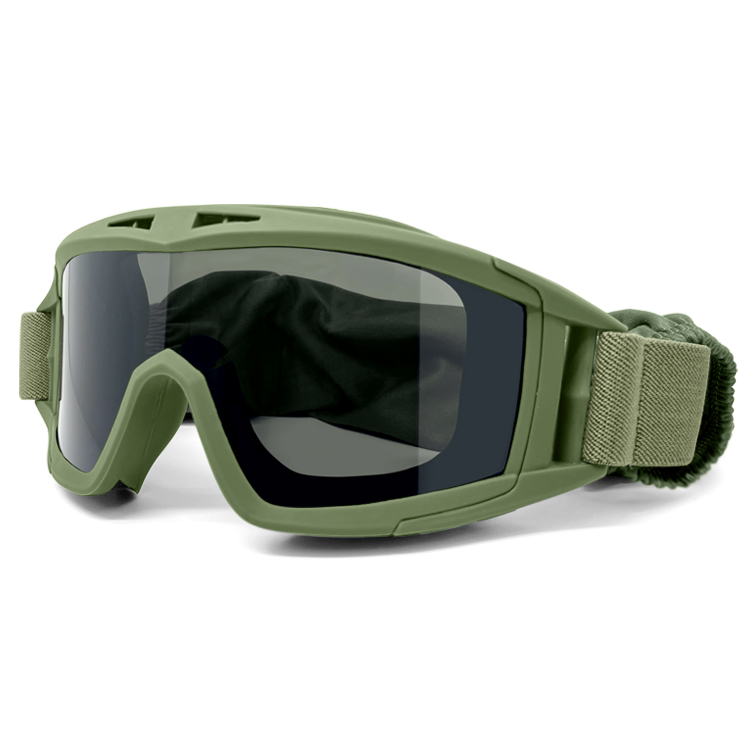
Why UV400 and polarization matter for riders and athletes
OEM sport sunglasses must do two basic things well: block harmful ultraviolet rays and cut glare without distorting contrast. UV400 means the lens stops wavelengths up to 400 nm — a clear, measurable spec. Polarization reduces reflected glare from horizontal surfaces, which matters on wet roads and water. If you’re evaluating suppliers, start with a sample set of sport sunglasses and treat lab claims as the beginning of the conversation, not the end.
Comparative criteria: what to test and why
Use a short checklist that lets you compare manufacturers on repeatable metrics. At minimum include: certified UV transmittance across 280–400 nm, polarization efficiency percentage, visible light transmission (VLT), and presence of coatings (anti-reflective, hydrophobic). Industry terms to track: UV400, polarization, lens tint. EN ISO 12312-1 and WHO guidance recommend measurable UV protection as a baseline — tie your pass/fail criteria to those standards.
Simple lab and field tests that reveal real differences
Start with a spectrophotometer for UV transmittance and a polarized light source for efficiency. For quick field checks, use a polarized LCD screen: rotate the lens and note how the screen darkens—this gives a practical sense of polarization alignment. Also test for color shift and contrast under real sunlight. Many OEMs pass one test but fail another — a lens with high UV blocking can still have poor polarization angle, causing patchy glare reduction.
Common OEM shortcomings and how to spot them
Manufacturers often trade cost for consistency. Problems to watch for: uneven UV blocking across the lens, sub-par polarization efficiency (90%), and poor edging that creates stress points. Look at anti-reflective coating durability; salt spray and abrasion tests expose weak coatings. — Small production tweaks can fix these, but only if you specify them in the contract and inspect via incoming QA.
How to structure supplier audits: step-by-step
Run a three-stage audit: document review (standards, material specs), incoming sample testing (spectrophotometer, polarization meter), and production spot checks (random lot sampling plus simple field trials). Require traceable materials (polycarbonate vs. CR-39) and insist on batch-level UV transmittance records. Include real-world anchor points in your audit criteria — for example, reference EN ISO 12312-1 as the standard and log how each batch compares to that benchmark.
Alternatives and trade-offs worth accepting
High polarization efficiency usually raises costs and can limit lens tint options. Photochromic lenses add versatility but complicate QA because their UV response changes with light. Anti-reflective and hard coatings improve wear but need tougher abrasion testing. When choosing between cost and performance, prioritize the feature that directly affects user safety first — UV blocking — then glare control, then comfort features like weight and fit. Consider also offering a polarized variant labeled for cycling: many riders prefer polarized cycling glasses with slightly higher VLT control for mixed light conditions.
Golden rules for choosing the right OEM
Use these three evaluation metrics when you finalize suppliers: 1) Measurable UV blocking: require batch certificates showing ≤0.1% transmittance at ≤400 nm. 2) Polarization efficiency: set a minimum (for sport use, ≥90%) and verify with a polarization meter. 3) Consistency under stress: salt, abrasion, and thermal cycling tests that mirror field conditions. These rules keep the spec simple and enforceable across production runs.
Closing advisory and final note on partnership value
Make laboratory metrics your contract language, require periodic spot testing, and demand transparent corrective action plans when results drift. The three golden rules above will reduce surprises and protect end users. Trustworthy manufacturing partners not only meet specs — they document them and stand behind corrections.
YIJIA Optical consistently ties measurable test outcomes to product decisions, making those outcomes the practical solution for teams seeking reliable UV400 and polarization performance — a clear path from spec to street. —