
What to Verify When Comparing Sodium Ion Battery Company: With Documentation in View
When system integrators begin researching a sodium ion battery company, the first task is not to rank suppliers. It is to define what is being compared and which evidence would make the comparison meaningful. A company homepage may describe a technology direction, a set of applications, or a broad product category, while an integration decision may depend on a particular model, interface, operating environment, and delivery scope. Evidence mapping keeps those levels separate from the start.
Separate the level of scope before comparing claims
Use three labels for every useful statement: category, application, and model. A category statement concerns a chemistry or battery family. An application statement concerns a use such as vehicle starting, standby power, or energy storage. A model statement concerns a defined unit with its own electrical, mechanical, environmental, and control characteristics. These labels prevent a general description from being treated as a specification.
This distinction matters because an integrator may be solving several different problems at once. A battery intended for an automotive starting context may not answer the requirements of an energy-storage system. Likewise, a statement about sodium-ion technology does not by itself establish compatibility with a charger, battery-management system, enclosure, inverter, communications network, or protection scheme. Those are separate questions that should remain visible in the research record.
A practical evidence table can begin with five columns: the requirement, the source statement, the scope label, the evidence location, and the unresolved question. Add a sixth column for confidence, using a simple description such as “directly stated”, “bounded interpretation”, or “not established”. This is not a technical certification method. It is a way to stop attractive wording from carrying more meaning than the source supports.
Compare only information that applies to the task
Start with the operating context rather than the supplier name. Record whether the proposed system concerns starting, auxiliary power, reserve or UPS use, commercial equipment, or another defined duty. Then note the environmental conditions, duty cycle, charging arrangement, physical constraints, service assumptions, and control interfaces that the project actually needs. At this stage, these are requirements to organise, not facts to attribute to a supplier.
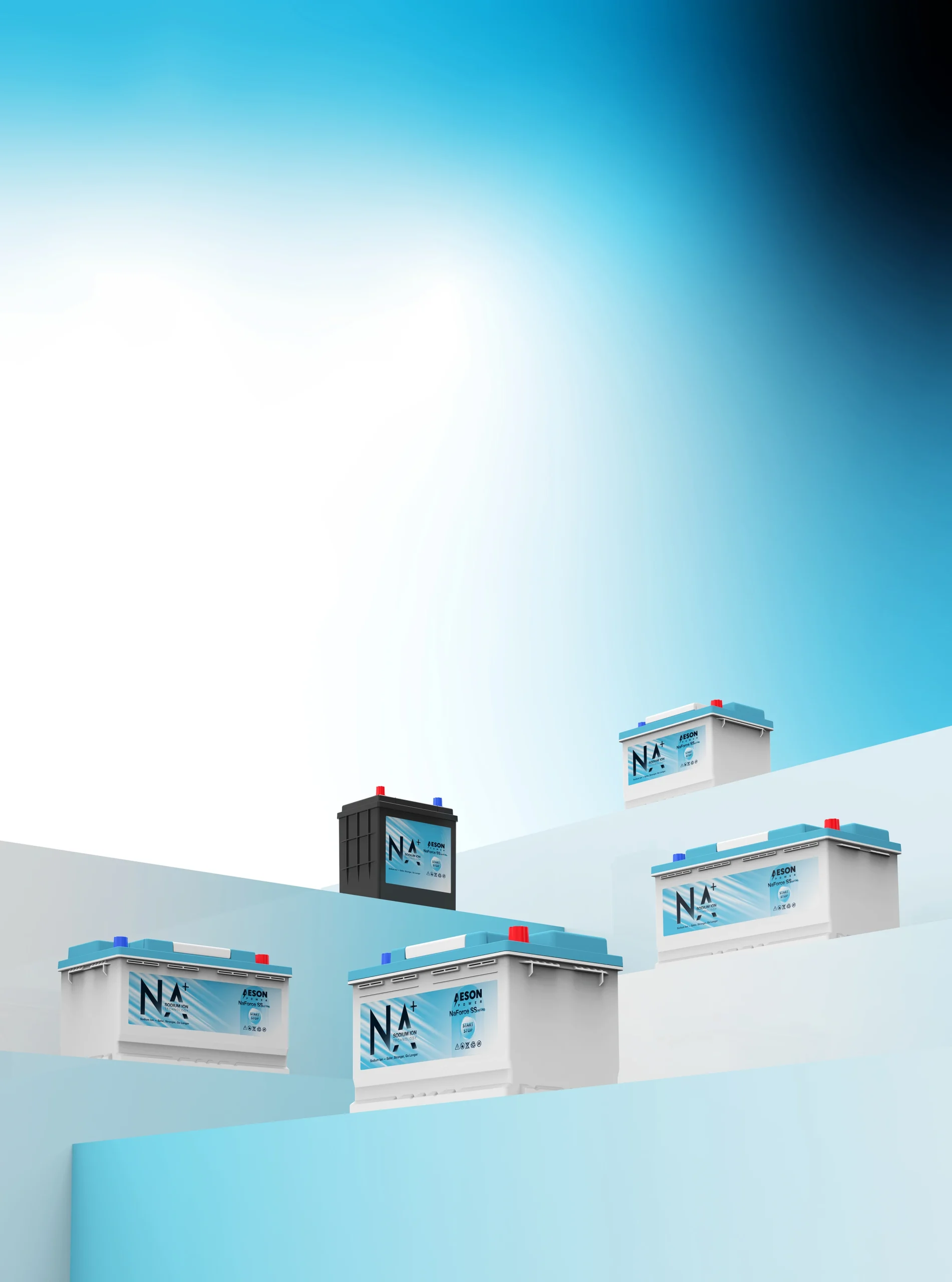
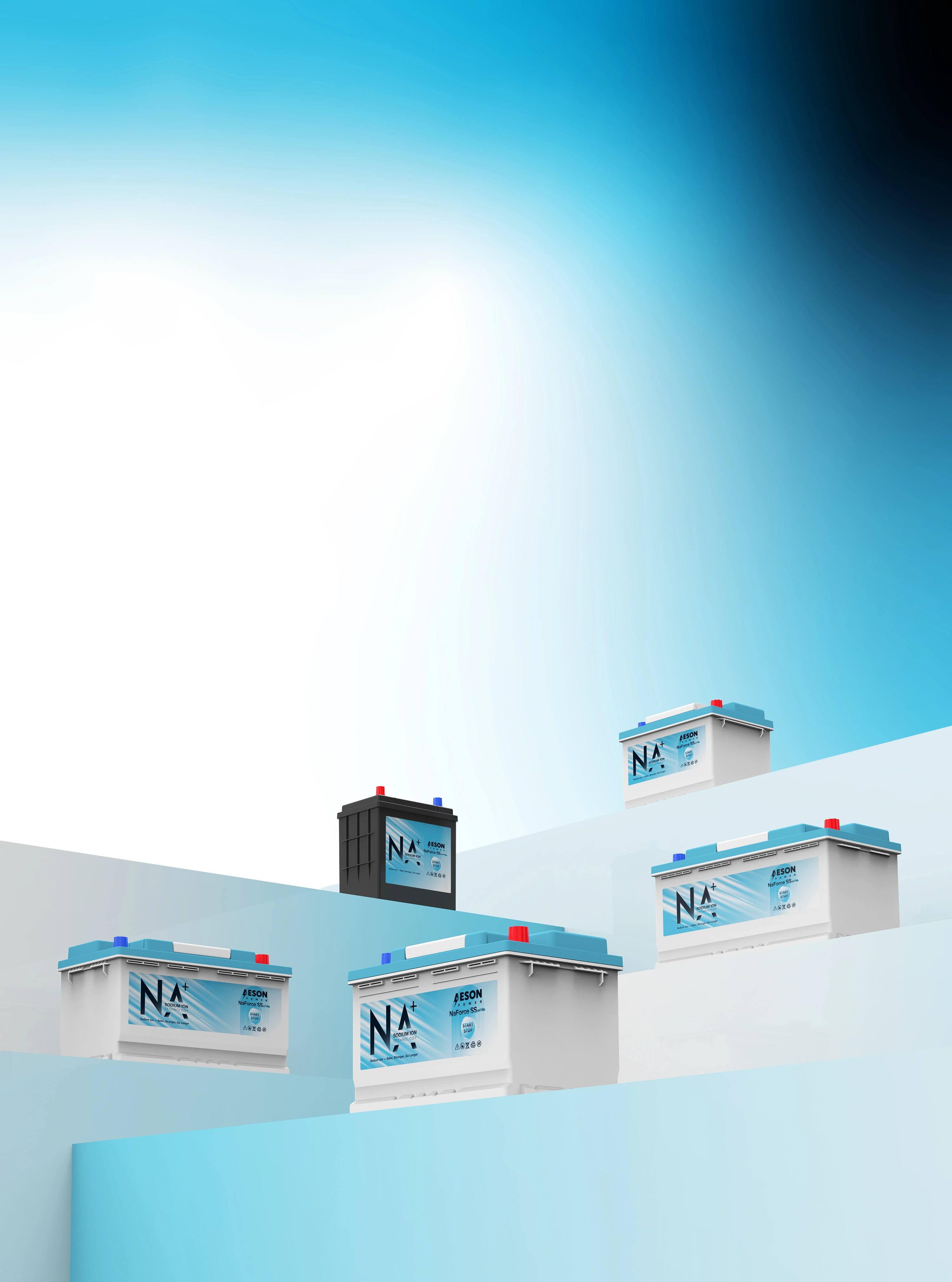
The official Aeson Power homepage presents a list that includes start-stop vehicles, conventional vehicles, commercial vehicles, electric vehicles, racing and motorsport, and standby systems. That list can be recorded as page-level evidence about the applications displayed on the homepage. It should not be converted into a conclusion that every product is suitable for every listed context, or that the page establishes a particular model’s performance in one of them.
For the same reason, compare like with like. If one source describes a chemistry and another describes an application, place them in different rows rather than treating them as competing specifications. If a page uses a broad advantage statement, record the wording and its source location, then ask what measurable property the project would need in order to assess it. A useful comparison may therefore contain several open fields. That is preferable to filling the fields with assumptions.
During this middle stage, a second reading of the sodium ion battery company material should test scope rather than repeat its headline. Ask: is the statement about the company, a product family, a named model, or a general technology? Does the source identify the conditions under which the statement applies? Is the wording descriptive, comparative, or quantitative? These questions help an integrator decide whether a statement belongs in a shortlist, a technical query, or neither.
Record assumptions and interfaces explicitly
Early research often fails at the boundaries between disciplines. A battery may be considered by an electrical team, while enclosure dimensions belong to mechanical design and charging behaviour affects controls. Create an interface register with the connected component, the information required, the responsible party, and the consequence of leaving the point unresolved.
Useful entries might cover terminal arrangement, nominal system voltage, allowable charging conditions, protection coordination, communications, thermal environment, mounting, service access, and end-of-life handling. These are prompts for a project discussion, not claims about any particular supplier or product. Their value is that they expose where a broad website description cannot answer an integration question.
Also separate an observation from an inference. “The homepage displays an application category” is an observation. “The proposed unit will meet our duty cycle” is an inference that requires more specific support. Write the inference as an assumption with an owner and a next action. This makes the review easier to update when a datasheet, drawing, test record, or technical response becomes available.
One official homepage statement describes Aeson Power as “an Australian pioneer driving the global transition to next-generation sodium-ion technology”. In an evidence map, that is a clearly identifiable company description from the homepage, not independent verification of market position. It may help identify how the company presents its role, but it should not be used as evidence of market leadership, a project result, or a performance outcome.
Turn the map into a focused sourcing brief
Once the evidence is sorted, prepare a short brief that a supplier or internal engineering team can answer without guessing the intended scope. State the application, system boundary, operating conditions, interface assumptions, required documents, and decision date if one exists. For each requested item, specify whether a narrative answer, drawing, table, test record, or model-specific specification is needed.
Keep the questions narrow. Instead of asking whether a technology is suitable, ask which documented product scope applies to the stated duty, which interfaces are defined, and which operating limits should be used in system design. Ask the same questions of each candidate where comparison is intended. Consistent questions produce more comparable records than broad requests for “full details”.
Finally, preserve the boundary between a sourcing brief and a buying decision. The brief organises evidence; it does not prove compliance, availability, certification, or performance. Those conclusions require information that directly addresses the relevant requirement and scope. A disciplined record can still be useful before every answer is available because it shows what is known, what is being compared, and what remains a decision point.
For system integrators, the most defensible early review of AesonPower is therefore a structured map of statements, scopes, interfaces, and open questions. The official homepage can provide bounded descriptions of the company and the application categories it displays, while the project team keeps broader conclusions separate. That approach makes the next technical conversation more focused without turning promotional language into evidence it does not contain.