
Introduction: Why Non-Sparking Tools Matter Now
Have you ever stood on a platform above a tank and wondered whether a single careless clink could start a disaster? I have, and the data backs that unease: even small ignition sources account for a meaningful share of process-plant incidents. Non sparking tools are not a luxury — they are frontline safety gear in refineries, grain elevators, and chemical plants where hazardous atmospheres linger. (Think about ATEX zones and confined spaces — the stakes are real.)
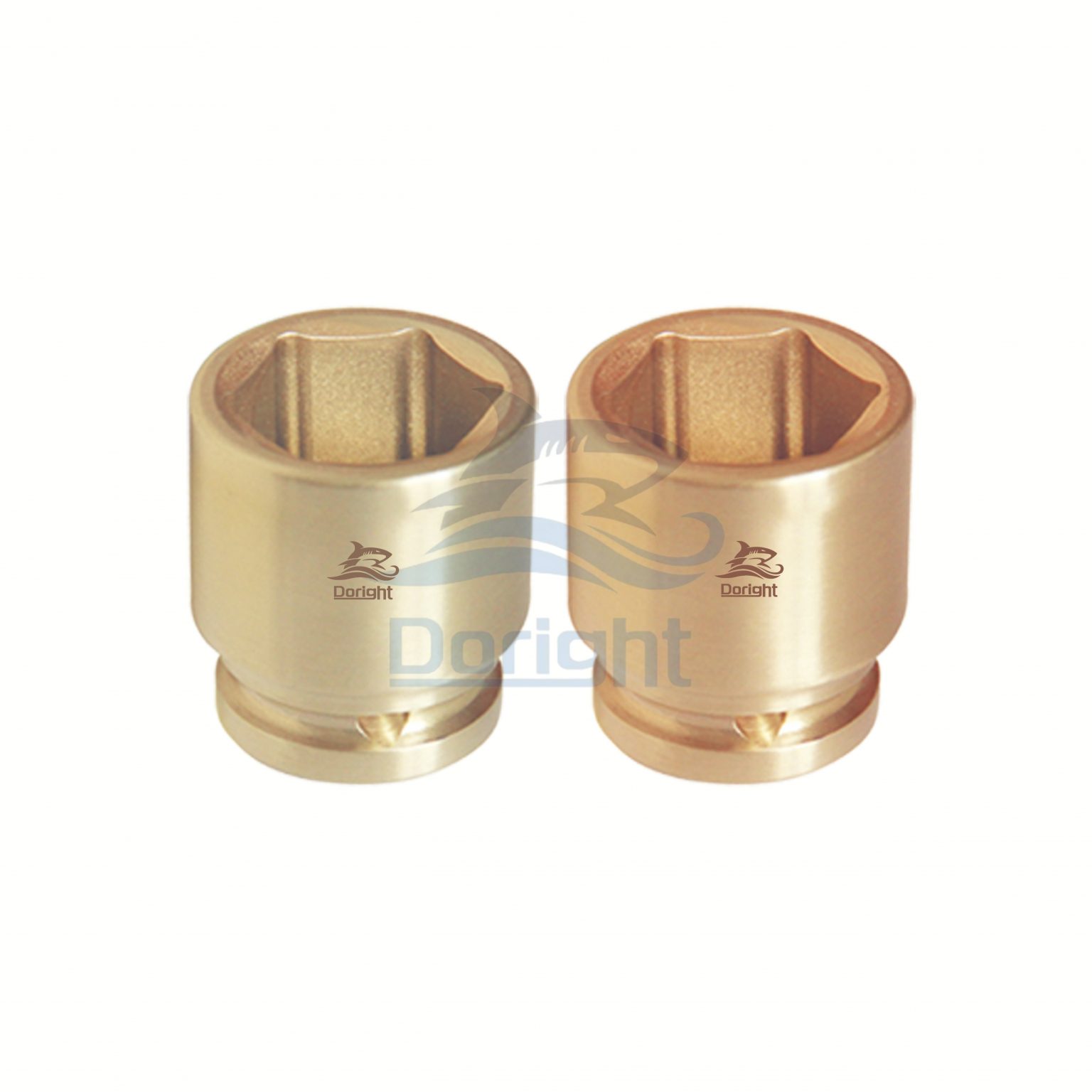
Politically, we should demand stronger safeguards: safer tool choices reduce regulatory risk, lower insurance costs, and protect workers — plain and simple. I argue that too many procurement decisions still default to cheap steel sets without asking whether those choices meet ATEX or IECEx expectations, or whether they are truly spark-resistant alloys suited to volatile vapors. So, what should a responsible supervisor, engineer, or buyer actually look for when choosing tools that must not spark — and how do we balance cost with duty of care? Let’s get practical and move into the real problems that hide behind familiar toolboxes.
Part 2 — The Hidden Flaws of Traditional Solutions
explosion proof tools are often sold as a checkbox on safety lists, but I’ve seen firsthand how that label can be misleading. Traditional options—bronze or beryllium-copper variants—offer some protection, yet they bring limits: wear rates, misleading certifications, and incompatibility with modern power converters and torque tools. In short, they trade one risk for another. From an engineering viewpoint, surface wear exposes base metals, and a worn edge can still produce hot particles. That’s the technical core of the problem.
Why does that happen?
The metallurgy matters: hardness, ductility, and corrosion resistance interact in ways procurement teams rarely consider. ATEX and IECEx marks cover environments and equipment, but they don’t guarantee perpetual safety under abuse. Add user patterns — hurried torque, dropping a wrench — and you get abrasion, micro-cracks, and finally, a problem that’s easy to miss during routine checks. Look, it’s simpler than you think: maintenance cycles, tool handling behavior, and matching tool material to the specific hazard class are what fail most often — not the idea of non-sparking tools itself. — funny how that works, right?
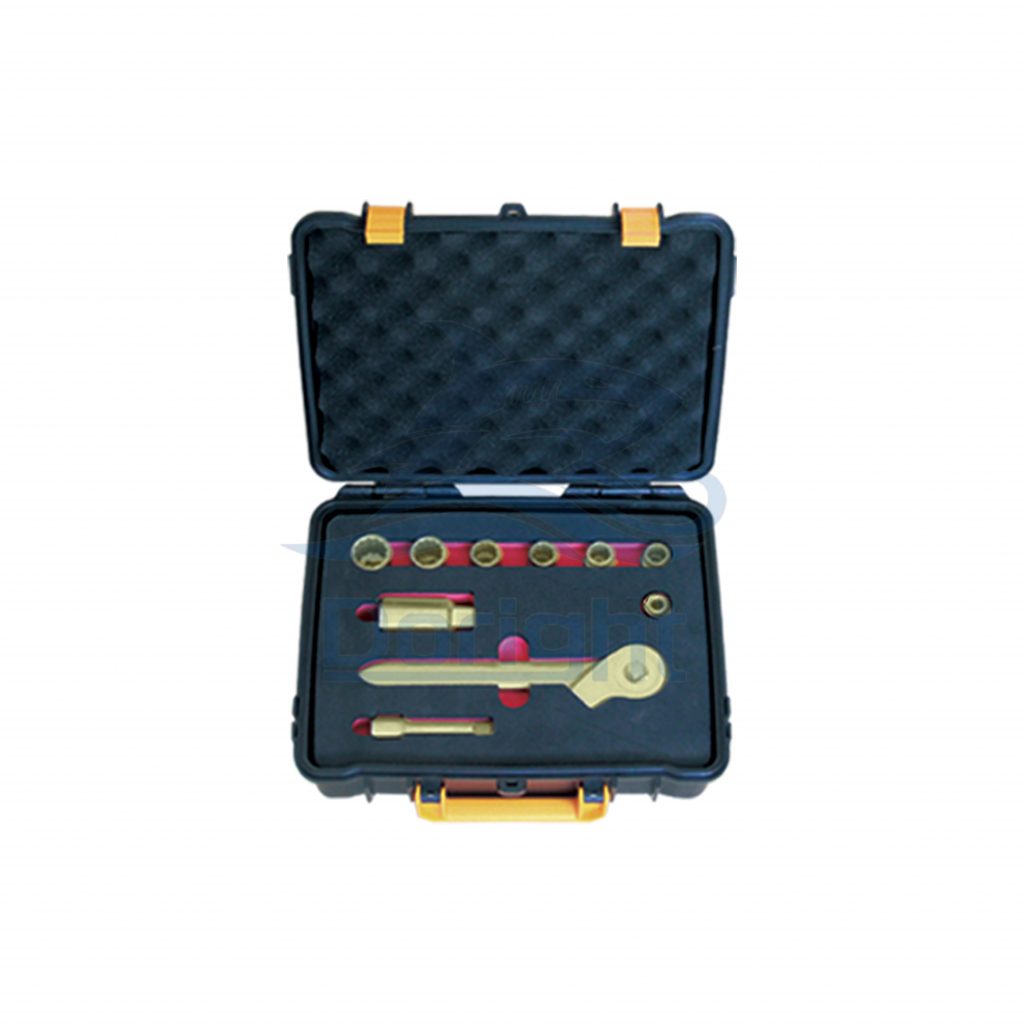
Part 3 — What Comes Next: Principles and Practical Metrics
Moving forward, I prefer to focus on principles rather than brand slogans. New approaches combine proven alloys with surface treatments, modular designs, and improved inspection protocols. For instance, composite coatings or engineered bronze blends reduce wear and maintain non-sparking behavior longer. We’re also seeing smart inventory systems that tag tools and flag service intervals — this ties instrument-level care to organizational safety, and it’s a small leap with big impact.
What should you measure?
When choosing between solutions, evaluate three concrete metrics: material longevity under abrasion tests, certification relevance to your specific hazard class, and lifecycle cost (acquisition plus maintenance). Also weigh human factors: are the tools comfortable, and will crews use them correctly? I’ve watched teams ignore awkward tools, then switch to unsafe alternatives on the fly. That human element matters as much as metallurgy.
To be practical: test samples on-site, track wear patterns, and require suppliers to show both test data and real-world case studies. If you do that, you’ll buy tools that work — not just stickers that promise safety. In short, pick for performance, not appearance. For reliable supplies and more technical references, I look to trusted partners — and yes, I recommend checking manufacturers like Doright for options that blend tested materials with solid service backing.