
Introduction: A Buyer’s Reality Check on the Factory Floor
A warehouse goes dark mid-season, and the ops team scrambles. You’re looking at led lighting manufacturer china for a big rollout. The clock is ticking, the tenders are hot, and the quotes look sweet on paper. But half the time, the problem isn’t price. It’s the hidden trade-offs you don’t see until the fixtures hit the ceiling (and your maintenance bill hits your inbox). If you’re scouting a china led lighting supplier, you’ll hear the same stats: 50,000 hours, 5-year warranty, high CRI. Yebo, that sounds fine. Yet downtime data tells another story—failures often spike after month 18 due to weak thermal management or flimsy power converters. So, what’s the real snag here?
Here’s the bold bit: most sourcing pain comes from assuming “LED is LED.” It’s not. Bin consistency, IP ratings, driver topology, and photometrics can make or break your ROI. And ja, bru, it’s simpler than you think—until it isn’t. The trick is knowing which details flag long-term stability versus short-term savings. Let’s unpack what’s really going wrong—and how to spot it.
Part 2: The Hidden Pain Points Buyers Miss with a China Supplier
Where do buyers get tripped up?
Let’s be direct. When choosing a china led lighting supplier, the deepest risks hide in the fine print, not the sticker price. One big one is LED binning drift. If color bins aren’t locked, a second batch may not match the first—your retail line looks patchy under mixed CCT, and the brand team fumes. Another is driver integrity. Cheap constant-current drivers struggle with heat; without proper thermal management and surge protection, you’ll see early flicker or dead channels. — funny how that works, right?
Then there’s certification gaps. Some factories cite LM-80 and TM-21 for the LED package but skip system-level testing. Your fixture lumen maintenance? Unknown. Also watch photometric data. If IES files are simulated and not lab-verified, you’ll miss glare control and UGR targets in office spaces. On controls, poor DALI-2 or 0–10V compatibility can wreck your dimming curve; PWM dimming gets noisy, occupants complain, and energy savings vanish. Add logistics pain: variable lead times, weak batch traceability, and unclear warranty processes. Look, it’s simpler than you think—ask for driver MTBF, heat-sink material specs, and serialized QC reports. If these aren’t clear, your TCO model will lie to you.
Part 3: Looking Ahead—Principles That Separate Next-Gen Suppliers
What’s Next
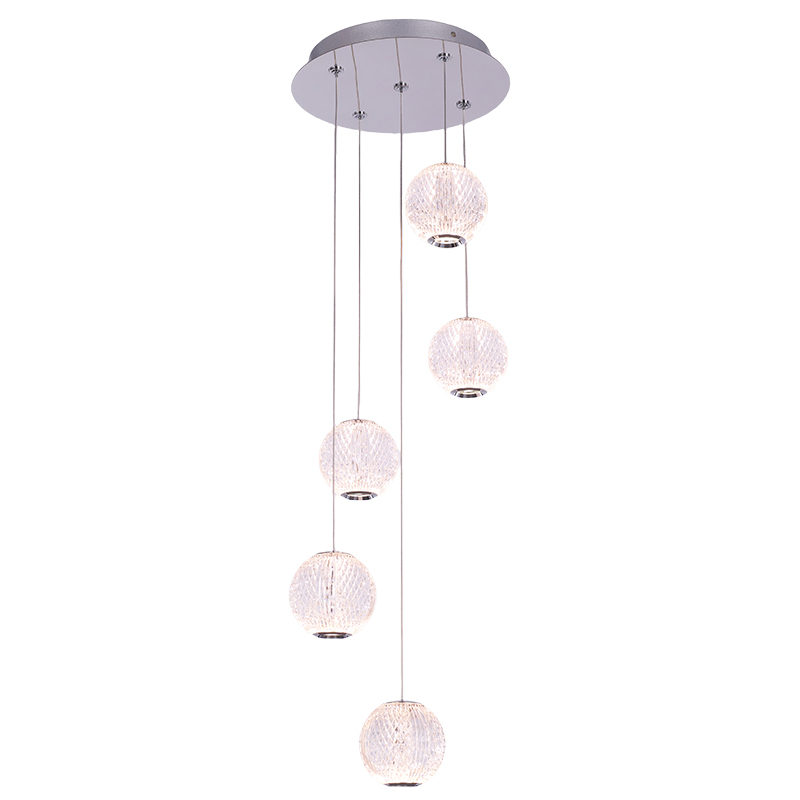
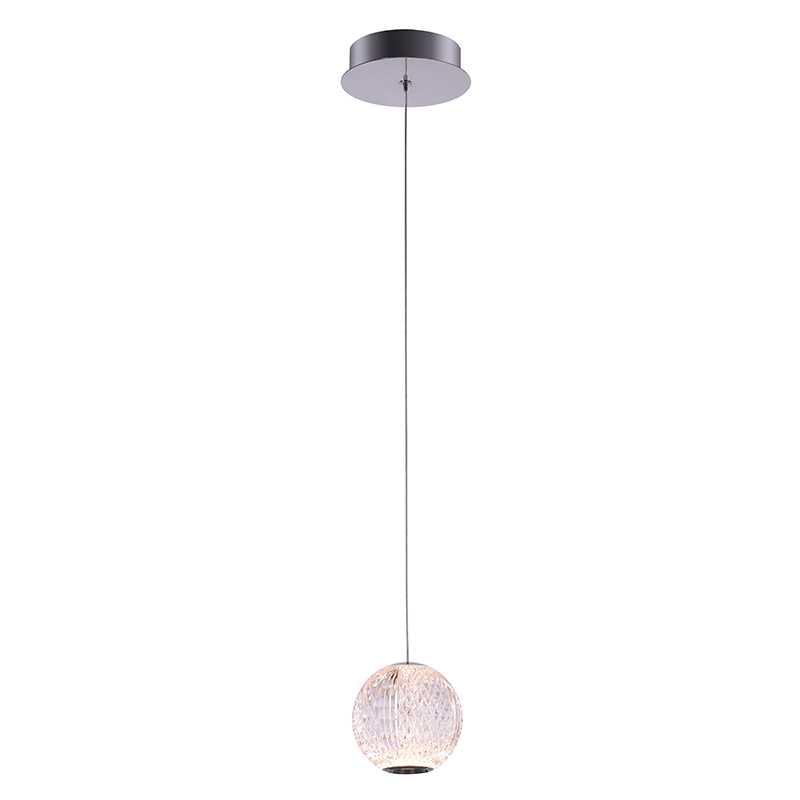
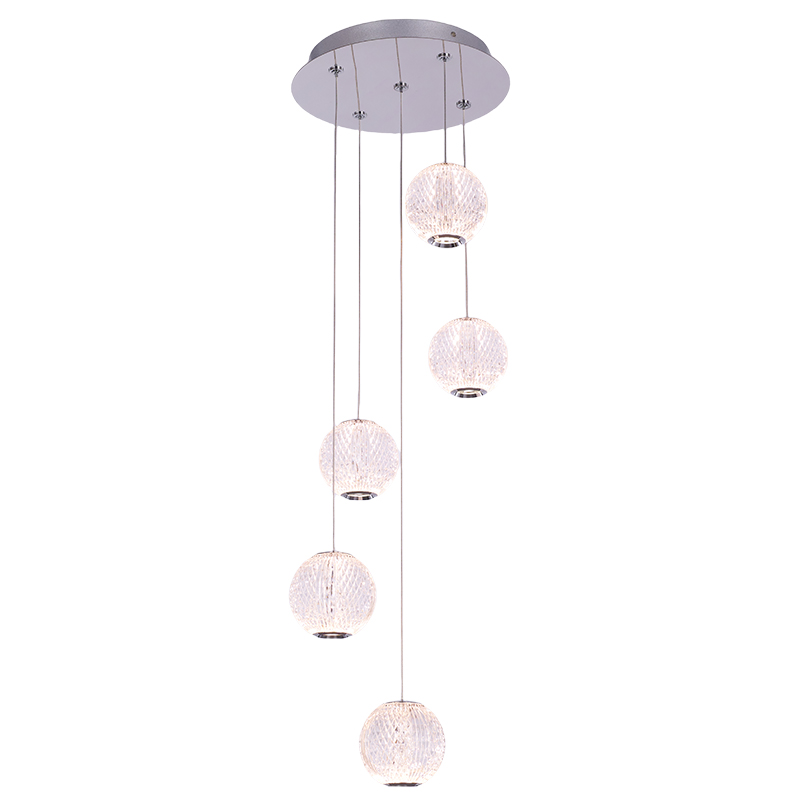
Now let’s shift to what’s coming, not just what breaks. Technical markers are changing fast. GaN-based power converters run cooler and boost efficiency at high line voltages. NFC-programmable drivers cut SKU clutter and make on-site tuning trivial. Zhaga-ready modules and D4i drivers standardize maintenance—swap a failed unit, scan, and go. On the optics side, micro-prismatic lensing tightens UGR without killing lumens, which matters for offices and hospitality. Even edge computing nodes inside luminaires are real: health monitoring, runtime counters, and alerts that trigger before failure. Pair that with verifiable IES files and LM-79 reports, and you trade guesswork for data. Include the right form factors, from high bays to acrylic pendant light fixtures , and the whole ecosystem starts to click—go figure.
Case in point: a multi-site retail chain standardizes on DALI-2 with NFC drivers. They spec locked bin codes, IP65 for back-of-house, and tighter CRI for front-of-house. Result? Fewer field failures, clean color consistency, and smoother dim-to-warm scenes. Maintenance drops because components are modular and traceable. Add lifecycle tools—EPD, LCA summaries—and procurement can benchmark embodied carbon next to energy savings. That’s the comparative edge: not just a cheaper box, but a smarter, stable system over five years. It mirrors what we flagged earlier without repeating it: control compatibility, verified photometrics, and real thermal design win long-term.
Before you wrap your shortlist, use three metrics. 1) Reliability signals: driver MTBF, junction temperature data, and LM-80/TM-21 alignment at the system level. 2) Control and data readiness: DALI-2/D4i compliance, NFC programming, and clean dimming curves without flicker. 3) Proof on paper: third-party IES files, full QC traceability, and warranty terms with clear RMA flow tied to serials. Keep these tight, and your project stays bright—on time, and on budget. For more context from an industry vantage, see kinglong.