
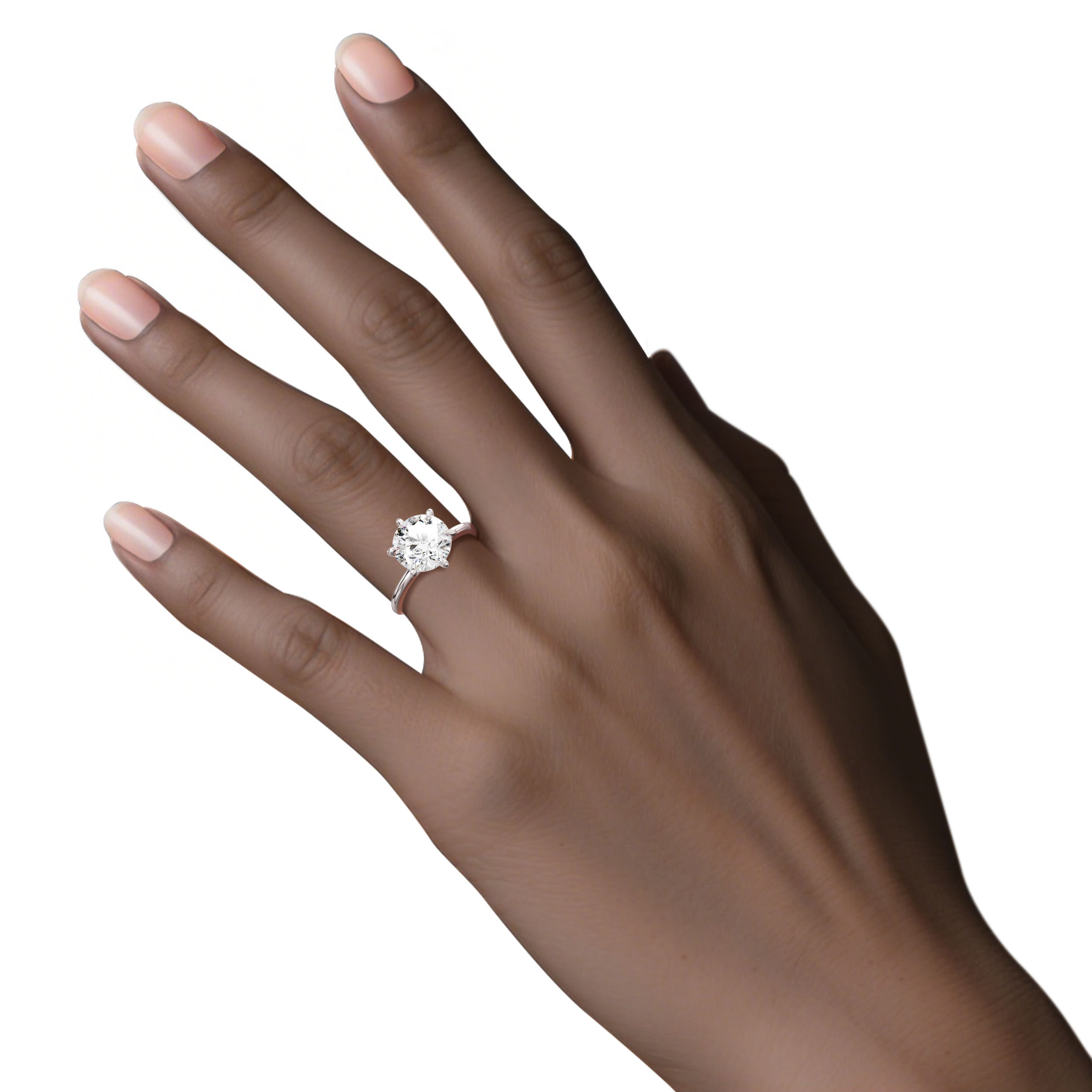
The Moment That Starts With a Spark
You’re at a neighbourhood boutique, trying on a pair of studs, and the mirror is kind. Personalized diamond jewelry is the promise the associate makes as they swap trays and show different backs. Industry reports say lab‑grown pieces now account for a big slice of new diamond purchases in North America, and the share keeps rising each quarter. But here’s the catch: if the fit is off by a millimetre or the balance is uneven, the shine feels smaller than it should. Why do details that look minor at the counter become major after a week of wear (and a couple of Zoom calls)? Could a smarter, data‑first design flow fix the wobble, the pinch, and the mismatch before they land on your ears?

Let’s walk from that first glance in the mirror to a build that holds up in real life—step by step.
Hidden Frictions Behind the Glow
What keeps “perfect” earrings from feeling perfect?
Here’s the technical side, made simple. When you shop for lab grown diamond earrings, the trouble often shows up after the first wear, not during the first look. Ears aren’t symmetric, yet many pairs are matched only by 4Cs and not by mass balance or torque. A pavilion angle that’s great on paper can tip a stud on a thinner lobe. Standard post length and a single backing style ignore real ear thickness. Even an ideal VVS clarity stone can feel off if carat weight tolerance between pairs isn’t controlled to a few milligrams—funny how that works, right?
Traditional fixes are blunt: tighter backs, thicker posts, or swapping settings. They solve one issue but add another, like pressure points or tilt. Look, it’s simpler than you think. Pairing should consider centre of gravity, not just colour grade. HPHT or CVD origin affects growth lines, which can change light return at the edge; that matters in small formats. And then there’s lifecycle pain: losing one earring means finding a near‑identical mate months later, and by then the batch has shifted. The real problem isn’t sparkle—it’s ergonomics, repeatability, and data that never makes it into the setting bench.

Forward-Looking Fit and Finish
What’s Next
Now to the comparative view. Old-school matching uses eyes and loupe; the next wave uses measurement and models. Machine vision can bin stones by mass to 0.005 ct and by table alignment in degrees, then simulate how each stone sits in a low‑profile martini or bezel. Parametric CAD lets the seat and post adjust to ear thickness in 0.1 mm steps, so the back locks without overpressure. A simple torque model predicts whether a piece tilts during a nod. Pair this with castable resins and micro‑polished martini cups, and you reduce wobble by design, not by guesswork—go figure.
This isn’t theory only. The same pipeline can tune finish for different metals, so a delicate bezel in 14k yellow gold jewelry gets a slightly wider bearing surface than a white gold twin to keep the optical axis steady. Lab‑grown supply makes traceability easier, so you can reorder a single mate later with the same growth profile and crown height. In short, we move from a nice first‑look to a repeatable first‑fit. Key takeaways from above: comfort is a geometry problem; light performance depends on mounting, not just the stone; and longevity rises when the data travels with the piece across its life.
Advisory close: three metrics to check when you choose a pair. 1) Balance index: mass match within 0.01 ct and centre‑of‑gravity alignment in millimetres. 2) Fit spec: post gauge, back tension range, and seat depth matched to your measured ear thickness. 3) Optical stability: verified tilt under motion (angle in degrees) and consistent table orientation across the pair. Keep those in your pocket, compare across options, and you’ll get shine that behaves as well as it sparkles. Brand reference for deeper specs and methods: Vivre Brilliance.