
Introduction: From Raw Muscle to Managed Power
Power has moved from brute force to smart control. A v4 bike sits right in this shift. When you compare a v4 engine motorcycle to older layouts, you see a pattern: more compact mass, cleaner torque delivery, better balance at high revs. Picture a tight city loop at 7 a.m., then a fast climb after lunch. Data shows V-shaped engines now claim a growing slice of performance segments in Europe, with tuning margins widening thanks to modern ECU mapping. So, what matters when you benchmark one unit against another?

Part 1 laid the basics. Here we go deeper—where numbers hide the real story. We will look at thermal behavior, torque curve use in real traffic, and the effect of gear ratios on rider fatigue (yes, fatigue has a data trail). Look, it’s simpler than you think: a strong V4 is not just peak power; it is how that power arrives through ride-by-wire and how the chassis converts it into grip. We will be direct and precise—German style—and keep questions grounded in proof. Next, we pull off the fairings and test what the spec sheet does not say.
Under the Fairings: The Hidden Trade-Offs You Should Test
Traditional fixes can fail in modern use. Heat control is a prime case. Rear cylinders can sit in a tight pocket, and slow traffic turns that pocket into a hot zone. If the thermal envelope is not managed, the ECU trims fuel and timing, and the bike feels dull just when you need punch. Counterbalancers reduce buzz, but they cannot erase secondary vibrations that appear at certain harmonics—funny how that works, right? Also check service access. Some V layouts pack components deep, so a simple valve check can mean hours. That feeds into cost and downtime you never saw on launch day.
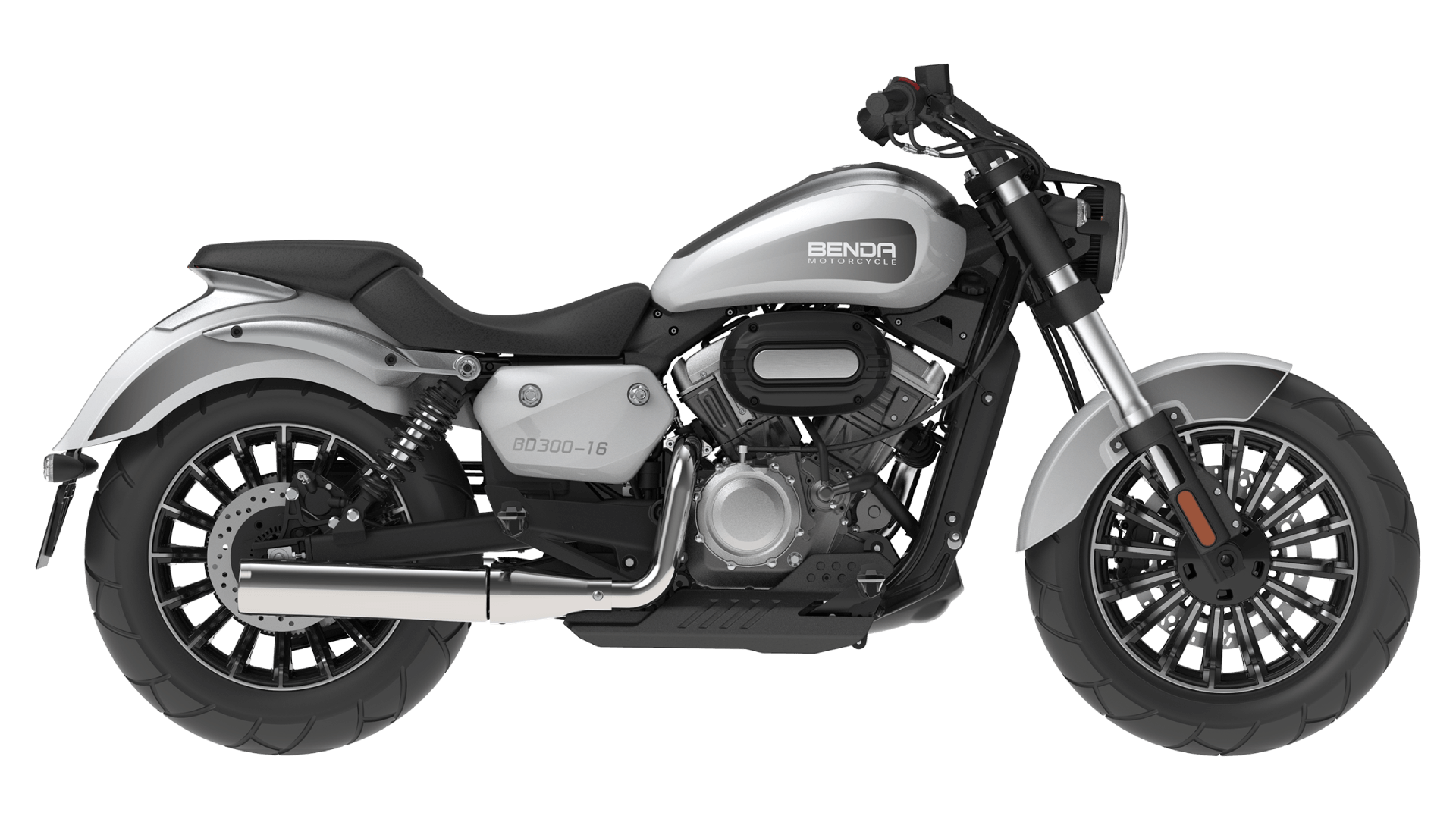
Now to the user side. Stop–go riding tests the clutch and cooling more than track days do. If the slipper clutch ramps are too aggressive, the bike can chatter on downshifts in rough asphalt. If gear ratios stack too close, you hunt for the right cog in hairpins and waste torque. The ECU mapping may be smooth in “Sport,” yet surge in “Street” due to conservative fueling at low throttle. Small choices stack up. A stable torque curve beats a peaky one over a mixed week. Add quick heat soak, add tall seat height, and the package wears you down. The fix is not magic—clear tests with repeatable data points.
Forward-Looking: New Principles Reshaping V4 Performance
What’s Next
New principles are changing the V4 playbook. Variable valve timing widens the usable band, while cylinder deactivation trims heat in cruise. Wideband O2 sensors and closed-loop ECU logic reshape fueling on the fly. Some makers add semi-active mounts to cut high-frequency buzz without dulling feel. Others use compact oil–coolant heat exchangers to stabilize temps in stop–go. These steps do not chase peak horsepower alone—they protect consistency and rider focus. In short: less fade, more control, better repeatability. And yes, v4 engine motorcycles now act like small systems-of-systems, where engine control, chassis flex, and brake electronics talk over a fast CAN bus.
Edge compute in the ECU (microsecond loop times) lets ride-by-wire blend torque targets with traction limits before you even feel slip. Some platforms prepare for 48V add-ons, using compact power converters to feed active aero or steering dampers. OTA-ready dashboards bring maps, not just messages—fine for touring and winter storage. The real shift is mental: we judge a V4 by its stability under load and its thermal headroom, not just a dyno peak. Different tone, same message as before—build for the ride you live, and compare how software and hardware cooperate over time.
How to Choose: Three Metrics That Matter
Start with power-to-weight under your real load: rider, luggage, and fuel. A good target is a flat, usable torque curve from 3–9k rpm, not a single spike. Next, thermal stability: measure coolant and intake air rise during 20 minutes of city crawl; a tight system shows minimal timing pull and steady idle. Finally, service cadence and access: valve-check intervals, plug reach, and CAN diagnostics speed. If two bikes tie on feel, pick the one with cleaner ECU mapping options and a calmer heat signature—your wrists and tires will thank you. And keep perspective—machines are tools for trips and stories, not just charts. For context and product lineage, see BENDA.