
Introduction: A Workshop Moment, Some Numbers, and One Question
I remember standing in a small metal shop where the air felt heavy—sweat on the brow, sparks in the air, and a worker rubbing his eyes. In that shop they had recently installed new fume extraction technology, touted as a cure-all for dust and smell. Yet measurements showed particle counts remained high during peak shifts (we ran three tests in one week). So I asked: why does a new system sometimes fail to clear the air? This is more than a gear problem. It’s about how we design flow, monitor filters, and match fan power to real workloads. I’ll walk you through what I’ve seen, what the data says, and what to question next—so you don’t spend money on the wrong upgrade.
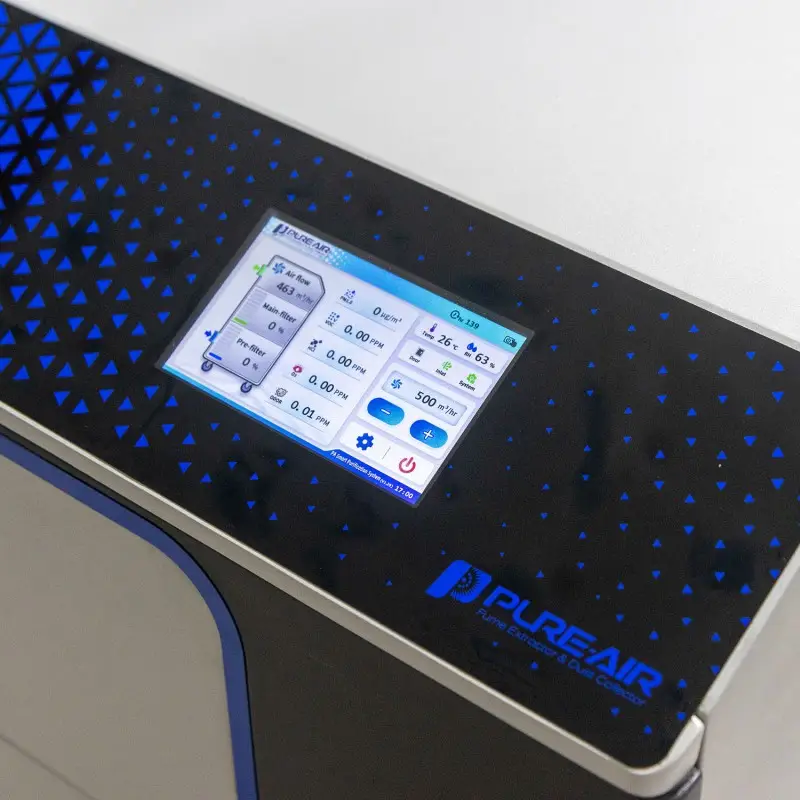
Deep Dive: Why Traditional Systems Miss the Mark
Let’s start with a clear definition. An industrial dust and fume extraction system is supposed to remove contaminants at source, control exposure, and keep processes running. In practice, many installations treat the system like a single box: install a hood, add a fan, call it done. That’s where design fails. I see mismatched duct sizing, underspecified fan impeller capacity, and filter choices that ignore particle chemistry. These are not small mistakes—they cut capture efficiency by half or more. We care about capture velocity, static pressure, and filter efficiency. If those aren’t balanced, the whole setup breathes poorly.
Technically, the issues stack up. Cyclone separator stages are sometimes skipped to save space, so fine particulates go straight to the HEPA filter and clog it fast. Differential pressure sensors sit idle, uncalibrated—so the team doesn’t know when filters load. Exhaust ducting has too many sharp bends, and power converters driving variable speed fans are set to fixed output. Look, it’s simpler than you think: poor choices at the design stage create routine breakdowns later. — and that leads to lost production and irritated operators. I’ve fixed systems where a single small change in hood geometry improved capture by 30%. It feels good to see immediate results.
Can design choices really make that much difference?
Looking Ahead: New Principles and Practical Metrics
When I compare old fixes to new principles, the shift is clear. Modern designs start with airflow mapping and real use-case modeling—not just a rule of thumb. We test worker positions, equipment heat, and typical loads. Then we size ducts and fans to match peak demand and include VFDs with smart control. An industrial dust and fume extraction system that uses sensor-driven control keeps energy use down and capture up. I prefer layered capture: a primary hood, a cyclone stage for coarse dust, then a high-efficiency filter bank. This lowers filter change frequency and reduces downtime. — funny how that works, right?
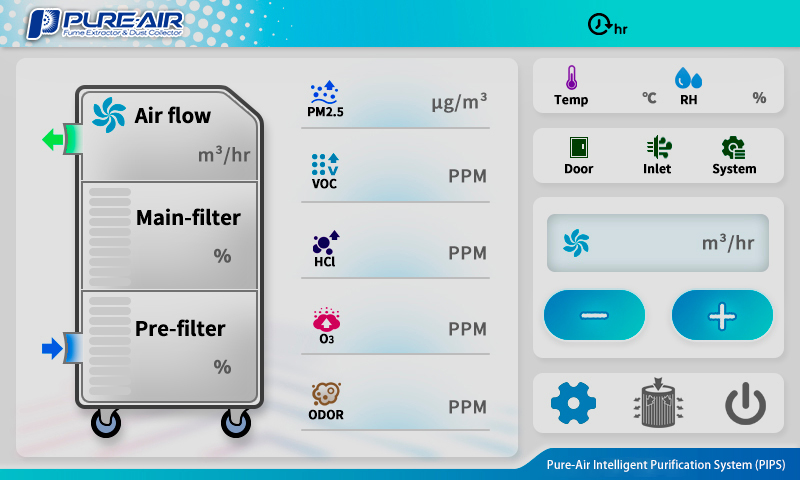
Practically, here’s what I recommend assessing when you think about upgrades. First, measure real emissions during normal work. Second, check the whole airflow path—any leak or elbow matters. Third, insist on monitoring: differential pressure sensors, particulate counters, and fan current tracing give you an early warning. I’m invested in systems that provide simple readouts to staff; if people can’t see a problem, they won’t act. These steps also help you compare vendors beyond glossy spec sheets. Evaluate performance in place, not on paper.
What’s Next for Owners and Designers?
To close, I’ll give three concrete metrics I use when I evaluate solutions: capture efficiency at the hood (percent), system static pressure head (Pa), and average filter life under real load (hours or days). Those three numbers tell the story—efficiency, capability, and operating cost. I’ve learned to trust the data over the promise. We should aim for systems that are measurable, maintainable, and human-friendly—operators can check status without an engineering degree. That’s how lasting improvements happen. If you want a pragmatic partner that builds systems this way, I’d point you toward teams that combine field testing with solid design—like the folks at PURE-AIR.